Biografie umělce
A Life Etched in the West
Charles Marion Russell, láskyzně známý jako “C.M.” nebo “Kid” Russell, nebyl narozen do světa, který tak živě immortalizoval na plátnech a v bronzu. Narodil se v St. Louisu, Missouri, v roce 1864, jeho rané dětství bylo zakořeněné nejen ve formálním uměleckém vzdělání, ale i v hlubokém zájmu o americký Západ – oblast, kterou zpočátku zažíval skrze příběhy a kresby, poháněnou téměř romantickým touhou po otevřených prostorech a nedotčené svobodě. Tento raný zájem nakonec vedl k jeho přesunu na západ, kde v šestnácti letech opustil tradiční školu, aby se stal pracujícím kovářem v Judith Basin v Montaně. Byl to odvážný krok, cílevědomá ponoření do života, který tak živě představoval, a prokázal se klíčovým v jeho uměleckém zraku. Russell nezobrazoval Západ; žil ho, dýchal prach a vstřebával jeho rytmy. Tento první zážitek byl základem jeho trvalého dědictví. Po jedenáct let s nadšením přijímal drsný život kováře, rančáře a lovce, zkušenosti, které mu poskytly intimní pochopení krajiny, zvířat a především lidí, kteří ji obývali – kovbojů, indiánů a obchodníků, jejichž životy tak mocně zobrazoval.
Od Kováře k Záznamníku
Russellův umělecký putování nebylo založeno na cílevědomém akademickém postupu, ale spíše na organickém rozvoji, který vycházel z potřeby a pozorování. Zatímco pracoval jako kovář, začal kreslit scény ze svého každodenního života – značil dobytek, shromažďoval koně, setkání se zvěřmi – zachycoval okamžiky, které rezonovaly s divokou krásou a inherentním dramatem Západu. Tyto díla nebyla vyleštěná, určená pro galerie; byla to osobní záznamy, vizuální deníky dokumentující způsob života, který rychle mizel. Jeho rané dílo se vyznačovalo pozoruhodnou naturalismem, ostrým zrakem na detail, zdokonaleným díky letům stráveným sledováním nuancí svého okolí. Nebyl zájem o romantizaci nebo idealizaci Západu; hledal ho takový, jaký *je*, se všemi svými obtížemi a slávami. Klíčovým bodem bylo po roce 1904, kdy začal pracovat s oleji, médium, ve kterém je nejznámější. V té době se věnoval tvorbě modelů pro bronzové sochy, které vytvořil mezi lety 1904 a 1926. Jeho první dílo, zobrazující indiánského loveckého psa, bylo vystaveno v Helence a vyvolalo zájem. Russellova práce byla ovlivněna jeho zkušenostmi s indiány, zejména během léta roku 1888, kdy žil u táborů Blackfoot, Piegan a Blood v Kanadě. Tato zkušenost ho ovlivnila zbytek života a odráží se ve mnoha detailních dílech, která zobrazují životy indiánů na severní pláňích.
Zachycení Mizejícího Světa: Témata a Techniky
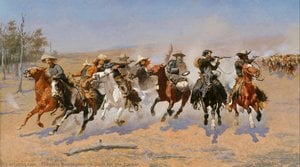
Russellův umění je hluboce zakořeněné v příběhu – každé obrazové dílo vypráví příběh, často zasazený do reality frontierového života. Jeho subjekty jsou různorodé, ale neustále se soustředí na interakce mezi kovboji, indiány a nedotčenou krajinou. Nebojil se zobrazovat konflikt, ale jeho zobrazení nebyla senzacionalistická; spíše vyjadřovala respekt pro všechny zapojené strany, uznávala složitost měnícího se světa. Bad Hoss (1904) je toho příkladem – dynamické scény zachycující boj mezi kovbojem a rozbouřeným koněm, který ztělesňuje jak dovednost, tak nebezpečí spojené s životem kovbůra. Podobně Battle of Belly River (1905) ukazuje jeho schopnost zobrazovat dramatické historické události s přesností a emocionální hloubkou. Jeho technika se vyvíjela v průběhu času, od ilustrativního stylu k volnějšímu štětci a výraznějším paletám barev. Byl mistrem vypravěče, který používal kompozici, světlo a stín k vytváření poutavých příběhů, které rezonovaly hluboko s publikem, které toužilo po spojení s romantikou a drsným životem Západu. Pozdější díla často zobrazovala zvýšený dramatismus a emocionální intenzitu, odrážející jeho rostoucí zralost jako umělce a prohlubující se pochopení lidské povahy. *On understood that the true beauty of the West lay not just in its landscapes but also in the resilience and spirit of those who inhabited it.*
Dědictví a Trvalý Vliv
Charles Marion Russellův dopad na americké umění je nepopiratelný. Nebyl jen malířem westernových scén; *definoval* je pro generace. Jeho dílo pomohlo utvářet populární obraz kovbůra, indiána a rozsáhlých krajin Západu, ovlivnilo mnoho umělců, kteří ho následovali. Stal se známým jako “kovbojský malíř” nejen kvůli svému tématu, ale také díky autentickému zobrazení života na Západě – zobrazení založeném na osobní zkušenosti spíše než romantizovaném snu. Dnes jsou jeho obrazy a sochy vyhledávané sběrateli a muzei po celém světě. C.M. Russell Museum Complex v Great Falls, Montana, slouží jako důkaz jeho trvalého dědictví, uchovává rozsáhlou kolekci jeho děl, osobní předměty a artefakty. Jeho nástěnné malby, jako je Lewis and Clark Meeting Indians at Ross' Hole, nadále inspirují úžas a obdiv, slouží jako silná připomínka klíčového okamžiku v americké historii. Russellova umělecká díla přesahuje pouhé zobrazení; je to oslava odvahy, vytrvalosti a trvalého síly lidského ducha – dědictví, které nadále okouzluje publikum i po více než století od jeho smrti.
Za hranice Plátna: Hlas pro Změnu
Russell nebyl jen umělec; byl také zastáncem. Rozvinul hluboký respekt k indiánským kulturám během svého pobytu v Montaně a Kanadě, a použil své umění k podkopávání převládajících stereotypů a prosazování porozumění. Aktivně podporoval úsilí Chippewa tribu o zajištění rezervace v Montaně, dokonce lobboval v jejich jménu v kongresu. Toto závazek k sociální spravedlnosti je často přehlížen, ale představuje důležitou dimenzi jeho charakteru a umělecké vize. Věřil, že je zásadní dokumentovat a uchovávat indiánské tradice dříve, než zmizí – víra odrážená ve mnoha jeho obrazech a sochách. Jeho umění nebylo jen o zobrazování Západu; bylo to nesení svědectví o měnícím se světě a obhajoba hlasů těch, jejichž hlasy byly často marginalizovány. Tato oddanost autentičnosti, v kombinaci s jeho uměleckým talentem, upevňovala jeho místo mezi nejvýznamnějšími a nejoblíbenějšími americkými umělci – vypravěče o mizícím způsobu života a obhájce kulturního porozumění.



 Náhled
 Přepnout na tisk
 Sdílet
 Sdílet
 Podrobnosti o díle

 Stáhnout
 Podobné položky
 Rentgenové snímky
 Slideshow
 Statistiky


 Zobrazit více