BEZPLATNÉ UMĚLECKÉ PORADENSTVÍ

x
Koupit tisk Koupit tiskObjednat reprodukci Objednat reprodukci SdíletSdílet
PodrobnostiPodrobnosti Přidat do oblíbených Přidat do oblíbených StáhnoutStáhnout Podobné položkyPodobné položky Rentgenové snímkyRentgenové snímky SlideshowSlideshow

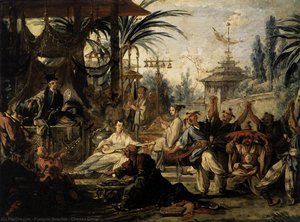
Perseus and Andromeda

Experience Rococo elegance with Charles-André van Loo's Perseus and Andromeda, a graceful mythological triumph from the 18th century; discover this masterpiece today.

Objevte umění Karla van Loo (Carle van Loo), předního malíře období osvícenství ve Francii. Známý svými portréty, mytologickými scénami a aristokratickým životem sloužil jako prvním malířem Ludvíka XV. Najděte jeho dědictví na WahooArt!

Koupě vysoce rozlišeného, vylepšeného digitálního obrazu, který je mnohem kvalitnější než online náhled.

Každý soubor je pečlivě připraven našimi odborníky pomocí pokročilých nástrojů a expertní manuální retuše. Zajišťujeme, aby každý obraz disponoval výjimečnou ostrostí, přesnou barevnou věrností a jemnými detaily.

Finální soubor vám bude do 72 hodin zaslán e-mailem, optimalizovaný pro okamžité použití v profesionálním, redakčním i tiskovém prostředí. Nabízíme stejnou kvalitu, které důvěřují špičková designová studia, nakladatelství i galerie.

Digitální obrazy

Stáhněte si soubor ve vysokém rozlišení pro osobní prohlížení, tisk a kreativní projekty.

Celková cena

$9.99

Součást každé objednávky digitálního obrazu

Profesionální digitální doručení, zaručeno.

Když si vyberete WahooArt.com, nezískáváte pouze obrázek – získáváte digitální umělecké dílo s profesionálně vylepšenými detaily, zpracované s precizností a podpořené zárukou za spokojenost. Zde je vše, co vaše objednávka automaticky obsahuje:

shipping_icon
Rychlé doručení e-mailem

Váš digitální obraz ve vysokém rozlišení vám bude zaslán e-mailem do 72 hodin od objednávky – připraven k okamžitému použití.

canvas_icon
Digitální soubor s využitím AI

Vaše umělecké dílo je profesionálně optimalizováno pomocí pokročilých nástrojů umělé inteligence a manuální úpravy, což zajišťuje maximální úroveň detailu, ostrosti a přesnosti barev.

insurance_icon
Bezplatné doživotní znovuodeslání

Soubor jste omylem smazali nebo ztratili? Žádný problém – kdykoliv vám ho znovu zašleme zcela zdarma.

tax_icon
Bez poplatků za dovoz – navždy

Užijte si své umělecké dílo okamžitě bez celních poplatků, daní nebo nákladů na dopravu – digitální stažení je vždy bez daňových povinností.

color_icon
Záruka přesnosti barev

Pomocí profesionálních nástrojů a správy barev zajišťujeme, aby váš digitální obraz odrážel původní barvy co nejvěrněji.

return_icon
60denní záruka spokojenosti

Pokud nebudete s digitální fotografií spokojeni, provedeme její revizi nebo vám vrátíme 100% během 60 dnů – bez jakýchkoliv dotazů.

guarantee_icon
100% záruka vrácení peněz

Nespokojeni? Získejte plnou částku zpět do 60 dní od přijetí vašeho digitálního souboru – bez jakýchkoliv dotazů.

discount_icon
Slevy při hromadných objednávkách

Koupěte si 3 obrazy, ušetřete 10% - Koupěte si 5, ušetřete 15% - Koupěte si 10+, ušetřete 20%. Ideální pro kreativní projekty, galerie a agentury.

Základní informace

  • Subject or theme: Mythology; Heroic Narrative
  • Title: Perseus and Andromeda
  • Artistic style: Elegant Rococo
  • Medium: Oil on canvas
  • Artist: Charles-André van Loo
  • Movement: Rococo
  • Location: Private Collection

Kvíz o umění

U každé otázky je pouze jedna správná odpověď.

Otázka 1:
What mythological story is depicted in Charles-André van Loo’s ‘Perseus and Andromeda’?
Otázka 2:
Charles-André van Loo’s style is primarily associated with which artistic movement?
Otázka 3:
The painting portrays Perseus as slaying what creature?
Otázka 4:
What artistic technique is prominently used in ‘Perseus and Andromeda’ to convey elegance and grandeur?
Otázka 5:
In what historical period was Charles-André van Loo active as a painter?

Popis sběratelského kusu

Perseus and Andromeda: A Triumph of Mythological Grace

Charles-André van Loo’s “Perseus and Andromeda” stands as a quintessential emblem of Rococo artistry—a visual feast celebrating aristocratic grandeur and imbued with profound mythological symbolism. Painted circa 1740, this monumental canvas captures the heroic tale of Perseus slaying Medusa to rescue Andromeda from the monstrous Cetus, cementing its place within the artistic canon of Louis XV’s reign.

  • Subject Matter: The painting meticulously portrays the dramatic confrontation between Perseus and Medusa. Perseus, depicted with unwavering resolve, wields his sword against the Gorgon’s serpentine gaze—a symbol of terror and transformation—while Andromeda lies vulnerable at Cetus's feet, awaiting deliverance. Supporting figures underscore the narrative’s importance, highlighting divine intervention and human courage.
  • Style: Van Loo’s masterful command of Rococo style is immediately apparent. The composition exudes elegance and fluidity, prioritizing decorative ornamentation over strict realism. Delicate pastel hues dominate the palette—primarily blues and golds—creating an atmosphere of ethereal beauty and conveying a sense of aristocratic refinement characteristic of the period.
  • Technique: Executed with meticulous brushwork and layering of glazes, Van Loo’s technique exemplifies the Rococo penchant for textural richness. The artist skillfully captures the dynamism of the scene through subtle movements and drapery folds, enhancing the visual impact and conveying a palpable sense of drama. Attention to detail extends beyond mere representation; it aims to evoke emotion and immerse the viewer in the narrative's unfolding events.
  • Historical Context: Commissioned during Louis XV’s opulent court, “Perseus and Andromeda” reflects the prevailing artistic tastes of the era—a desire for idealized beauty and a fascination with classical mythology. The painting served as a powerful visual statement reinforcing royal authority and glorifying heroic deeds.
  • Symbolism: Beyond its narrative depiction, the artwork resonates with deeper symbolic meanings. Perseus embodies courage and intellect, overcoming formidable obstacles through cunning and bravery—values revered by the French monarchy. Andromeda represents innocence and vulnerability, rescued from peril by divine grace—a motif frequently employed in Rococo art to convey moral virtue.

A hand-painted reproduction of “Perseus and Andromeda” offers an unparalleled opportunity to experience the sublime artistry of Charles André van Loo. Its luminous colors, intricate detailing, and evocative composition continue to inspire admiration and captivate collectors worldwide. Bring this masterpiece into your home or office and immerse yourself in the timeless beauty of Rococo art.

Podobná umělecká díla


Biografie umělce

Early Life and Training

Charles André van Loo, born February 15, 1705, in Nice, France, was the youngest son of Louis-Abraham van Loo and Jean-Baptiste van Loo—a lineage steeped in artistic tradition. His father, a respected painter himself, instilled in him a profound appreciation for visual art from an early age, shaping his formative years within the vibrant cultural landscape of Savoyard Provence. Unlike many artists of his time, Van Loo’s upbringing wasn't solely focused on formal instruction; it encompassed exposure to diverse artistic practices and intellectual pursuits—a testament to the enlightened values of his family. Initial training commenced in Turin, where he studied under Benedetto Luti, a prominent sculptor known for his meticulous attention to detail and mastery of classical forms. This early immersion in sculpture undoubtedly honed Van Loo’s observational skills and fostered an understanding of spatial relationships – qualities that would prove invaluable throughout his artistic career. Subsequently, he traveled to Rome—the epicenter of Baroque art and intellectual ferment—where he pursued intensive studies under Pierre Legros, a celebrated teacher who championed the revival of classical ideals within painting. This formative period solidified Van Loo’s grounding in humanist principles and established him as a student deeply committed to artistic excellence. His Parisian education followed suit, enrolling at the Académie royale de peinture et de sculpture—the bastion of French artistic training—and swiftly gaining recognition for his exceptional talent. The Academy's rigorous curriculum demanded technical proficiency alongside intellectual engagement, fostering Van Loo’s ability to synthesize observation and conceptual understanding. Crucially, he secured first prize for drawing in 1723 and subsequently achieved the prestigious honor of winning first prize for historical painting in 1727—a decisive victory that catapulted him into the spotlight of Parisian artistic circles. This accomplishment underscored his dedication to mastering the foundational skills necessary for producing monumental works of art.

Artistic Career and Notable Works

Charles André van Loo’s artistic style epitomized the elegance and grandeur characteristic of Rococo painting, a movement that flourished in France during Louis XV's reign. Unlike the solemn formality of Baroque art—which prioritized dramatic emotion and theatrical spectacle—Rococo embraced delicacy, grace, and ornamentation, reflecting aristocratic tastes for refined beauty and sensual pleasure. Van Loo skillfully navigated this stylistic milieu, producing canvases imbued with shimmering colors, intricate textures, and exquisitely rendered figures—a hallmark of his distinctive oeuvre. His subject matter spanned a remarkable breadth, encompassing portraits depicting royalty and nobility, mythological scenes celebrating heroic narratives, historical paintings commemorating significant events, allegories conveying moral lessons, and genre depictions capturing everyday life in aristocratic society. These diverse explorations demonstrated Van Loo’s versatility as an artist and underscored his ability to engage with complex themes—both intellectual and emotional—through the medium of painting. Among his most celebrated achievements were *Venus and Amor* (Kunsthalle Bremen)—a masterpiece showcasing Van Loo's mastery of Rococo technique and compositional balance—and *Halt of the Hunt* (The Metropolitan Museum of Art)—which captured the opulent atmosphere of aristocratic pursuits with breathtaking realism. His portrait of Marie Leszczynska, Queen of France, stands as a testament to his skill in conveying psychological nuance and capturing the regal dignity of his subject. Furthermore, *Jupiter and Antiope*, a monumental mythological tableau, exemplifies Van Loo’s ambition to tackle ambitious artistic challenges—a feat accomplished with remarkable precision and artistry. Notably, he produced multiple versions of *Perseus and Andromeda*, demonstrating his unwavering commitment to exploring classical mythology—a genre favored by artists throughout Europe during the Enlightenment. And *Mademoiselle Clairon as Medea*—a captivating Rococo portrait executed in 1760—captures a moment of dramatic intensity with exquisite detail and psychological insight. These works cemented Van Loo’s reputation as one of France's foremost painters, securing his place within the annals of art history.

Patronage and Royal Recognition

Charles André van Loo enjoyed considerable patronage from influential figures within the French court—most notably Madame de Pompadour—who recognized his artistic talent and championed his endeavors. Her unwavering support ensured that Van Loo’s work received widespread acclaim and contributed to shaping the aesthetic sensibilities of Parisian society. Recognizing his exceptional contribution to the arts, Louis XV bestowed upon him the Order of Saint Michael—a prestigious honor signifying royal favor and acknowledging his distinguished service to the monarchy. This accolade underscored Van Loo's elevated status within the artistic community and solidified his legacy as a painter celebrated by the highest echelons of French power. ## Influences and Legacy Van Loo’s artistic development was profoundly shaped by his familial heritage—particularly by the influence of his father and brother, both accomplished painters who established standards for excellence and fostered a tradition of artistic innovation. He benefited from their guidance and mentorship, absorbing their techniques and stylistic sensibilities—a testament to the importance of familial support within artistic lineages. Despite facing competition with François Boucher—another prominent Rococo artist—Van Loo maintained his own distinctive voice—characterized by meticulous observation and unwavering adherence to classical principles. His work exerted a considerable impact on the burgeoning “modern French school,” establishing a stylistic idiom that prioritized clarity, elegance, and refined craftsmanship. Critics lauded Van Loo’s “simplicity of style and correctness of design”—a judgment that resonated throughout the artistic landscape of his time and continues to inspire admiration today. ## Museums Collections & Further Exploration His paintings are housed in prominent museums across Europe, including the Louvre (where *The Marriage of the Virgin* resides), Kunsthalle Bremen, and The Metropolitan Museum of Art—testaments to their enduring beauty and artistic significance. For more information about Charles André van Loo’s life and work, visit WahooArt: https://www.WahooArt.com/artists/charles-andre-van-loo/
Charles André van Loo

Charles André van Loo

1705 - 1765 , Francie

Stručné informace

  • Artistic Movement Or Style: Rokoko
  • Artists Who Influenced This Artist:
    • Benedetto Luti
    • Pierre Le Gros
  • Date Of Birth: 15. února 1705
  • Full Name: Charles-André van Loo
  • Nationality: Francouzský
  • Notable Artworks:
    • Venus a Amor
    • Přistání lovců
    • Portrét Marie Leszczynské
  • Place Of Birth: Nice, Francie