


Giclée nebo plátěný tisk muzeální kvality s rychlou výrobou a širokou nabídkou povrchových úprav. ( Koupit ručně malovaný obraz Přepnout na digitální obraz)





























Vyberte si z našich přednastavených velikostí, které odpovídají původním proporcím díla.

Zadejte šířku a výšku, které potřebujete pro váš rám nebo stěnu. Tisk lze pouze oříznout, nikdy však nelze zvětšit obraz nad jeho původní rozměr, proto při výběru jiného formátu dochází ke ztrátě části obrazu. Před samotným tiskem vám zašleme digitální náhled k schválení. Obraz zobrazený na této stránce nenabízí skutečný výřez — ten uvidíte pouze v náhledu.
Celosvětové doručení () do 2 týdnů namísto standardních 4/5 týdnů. (8 listopad)
Angels Pity
Rozměry reprodukce
In the quiet, hallowed atmosphere of the Early Renaissance, few works capture the intersection of human sorrow and divine grace as poignantly as Carlo Crivelli’s "Angels Pity." Painted in 1470, this masterpiece serves as a profound meditation on tenderness and spiritual devotion. The scene unfolds with an intimate warmth, presenting Jesus cradling two children within his arms—a gesture that transcends mere historical depiction to become a universal symbol of protection and innocence. Surrounded by a celestial assembly of angels and watchful figures, the composition draws the viewer into a sacred circle of empathy. Even the subtle presence of a solitary bird in the upper corner acts as a silent witness, lending an air of tranquility to a moment heavy with emotional significance.
The artistry of Crivelli is on full display through his masterful command of color and light. Utilizing soft, luminous hues and delicate brushstrokes, the artist creates a sense of palpable intimacy that makes the divine feel reachable. The painting is a triumph of the Early Renaissance style, where every detail is rendered with an almost obsessive realism. Crivelli’s technique involves the meticulous application of oil glazes on wood panel, building layers of color to achieve a radiant depth. This method allows light to appear as if it is emanating from within the figures themselves, highlighting the soft textures of skin and the intricate folds of drapery, thereby inviting the observer to linger on the subtle nuances of the composition.
Beyond its visual splendor, "Angels Pity" is a rich tapestry of Christian iconography designed to provoke deep reflection. The arrangement of the figures within an arched niche creates a sense of sacred enclosure, separating the holy event from the mundane world. Every element serves a symbolic purpose: the tender way Jesus holds the children reflects the theological concept of divine mercy, while the surrounding angels represent the bridge between heaven and earth. Crivelli’s use of trompe l'oeil—a technique intended to trick the eye into perceiving three-dimensional reality—adds a layer of tactile presence to the work, making the spiritual themes feel grounded in a tangible, physical reality.
For the discerning collector or interior designer, this painting offers more than mere decoration; it provides an emotional anchor for any space. The somber yet serene mood makes it an ideal centerpiece for rooms dedicated to contemplation, study, or quiet luxury. Whether one is drawn to its historical significance as a product of the Venetian-influenced March of Ancona or moved by its profound expression of compassion, "Angels Pity" remains a timeless testament to the power of art to evoke the sublime. Owning a high-quality reproduction of this work allows for the preservation of this Renaissance spirit, bringing a sense of historical weight and aesthetic harmony into the modern home.
Dílo „Angels Pity“ od Carlo Crivelli si můžete prohlédnout přímo na své vlastní stěně díky stránce Náhled v rozšířené realitě s využitím rozšířené reality na kompatibilním zařízení.
Podobná díla k "Angels Pity" naleznete na stránce Podobná díla tohoto díla.
Dílo „Angels Pity“ od Carlo Crivelli pochází z období Renaissance. Toto období poskytuje dílu historický kontext.

Italský renesanční malíř Carlo Crivelli se narodil ve Venedici kolem let 1430–1435. Pocházel z malířské rodiny a svou uměleckou formaci získával ve Venedici i Padově. Předpokládá se, že jeho raný výcvik probíhal pod vedením Jacobella del Fiore, který byl stále aktivní v roce 1ardı 1436. Studoval také ve škole rodiny Vivarini ve Venedici.
Crivelli strávil své rané roky v oblasti Veneto, kde nasával vlivy mistrů jako byli Vivarini, Squarcione a Mantegna. Do roku 1458 opustil Veneto a většinu své kariéry strávil v oblasti Marche v Anconě, kde si vyvinul naprosto jedinečný osobní styl, který ostře kontrastuje s dílem jeho benátského současníka Giovanni Belliniho. Crivelliho tvorba je charakteristická konzervativní dekorační citlivostí pozdní gotiky, pro kterou je typická lineární kvalita, neuvěřitelná pozornost k detailu a mistrovské využití technik trompe l'oeil, které klamou oko.
* Malba Carla Crivelliho nazvaná „。Madona s Dětětem na trůnu“ (106 x 55 cm, Muzeum krásných umění, Budapešť, Maďarsko) představuje dokonalý příklad jeho stylu. * Na několika projektech spolupracoval se svým mladším bratrem Vittoriem Crivellim. * Jeho žákem a spolupracovníkem byl také Pietro Alemanno, malíř, který emigroval do oblasti Marche z Německa či Rakouska.
* Galerie Pinacoteca di Brera v Miláně v Itálii obsahuje několik Crivelliho děl, včetně „Piety“ (128 x 241 cm). * Muzeum San Giovanni in Bragora ve Venediku v Itálii spravuje sbírku uměleckých děl z různých období a stylů, včetně některých děl připisovaných právě Crivellimu.
Crivelliho odkaz nadále inspiruje milovníky umění i vědce, přičemž jeho dílo zůstává svědectvím o trvalé síle konzervativní dekorační citlivosti pozdní gotiky.

1435 - 1495 , Itálie

Discover the enduring legacy of oil on board painting. Explore how historical techniques, rich impasto textures, and structural durability create timeless masterpieces that bridge Renaissance grandeur with modern art collecting excellence.

Discover the profound allure of oil on canvas. Explore the mastery of impasto textures, the science of pigment longevity, and expert guides to selecting museum-quality reproductions that elevate your collection with timeless elegance and tactile depth.

Discover the enduring allure of oil on canvas. Explore how master techniques like impasto and glazing create the depth, texture, and emotional resonance found in the world's greatest masterpieces. An essential guide for fine art enthusiasts and discerning collectors.

Discover the enduring allure of hand-painted oil reproductions. WahooArt offers museum-quality, archival masterpieces designed for discerning collectors seeking timeless beauty and a lasting legacy. Invest in fine art that transcends generations with our expert craftsmanship.
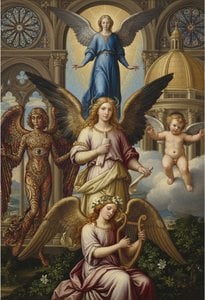
Explore the profound beauty of angelic figures in art history. From Renaissance masterpieces to celestial symbolism, our expert guide offers a sophisticated journey through the divine imagery of the Old Masters for discerning collectors and art enthusiasts.
 Náhled v interiéru
 Sdílet
 Sdílet
 Podrobnosti o díle
 Průvodce

 Stáhnout
 Podobné položky
 Rentgenové snímky
 Slideshow
 Otázky a odpovědi
 Statistiky

 Zobrazit více









 Skleněná varianta je dostupná pouze u rozměrů menších než 110 cm


