Giclée nebo plátěný tisk muzeální kvality s rychlou výrobou a flexibilními možnostmi povrchové úpravy. ( Koupit ručně malovaný obraz Koupit obrázek)





























Vyberte si z našich přednastavených velikostí, které odpovídají původním proporcím díla.

Můžete zadat vlastní rozměry tak, aby výtvor odpovídal konkrétnímu rámu nebo prostoru. Pokud zvolená velikost nebude odpovídat poměru stran původního obrazu, dílo buď ořížeme, nebo obraz rozšíříme pomocí zrcadlového efektu či jednobarevného okraje. Před zahájením výroby vám bude zaslán digitální náhled k schválení.
Mějte prosím na paměti, že náhled na obrazovce neodráží skutečné oříznutí nebo rozšíření. Pouze digitální náhled přesně zobrazí finální kompozici.
Ačkoliv jsou k dispozici i vlastní rozměry, pro zachování původních proporcí doporučujeme vybrat si rozměr z předdefinovaného seznamu.
Celosvětové doručení () do 2 týdnů namísto standardních 4/5 týdnů. (7 září)


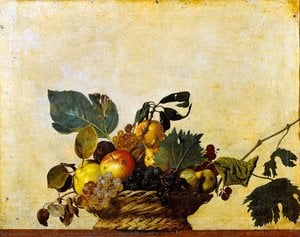
Supper at Emmaus (detail) (13)
Rozměry reprodukce
Within the hallowed halls of the Pinacoteca di Brera in Milan resides a painting that continues to resonate with viewers centuries after its creation – Caravaggio's 'Supper at Emmaus'. More than just a biblical depiction, it is a profound exploration of faith, recognition, and the transformative power of divine presence. Completed in 1606, this work stands as a testament to Caravaggio’s revolutionary approach to art, particularly his masterful manipulation of light and shadow, or *chiaroscuro*, which draws us directly into the heart of the scene and elevates it beyond mere illustration.
At first glance, the painting presents a seemingly simple tableau: two disciples, identified as Cleopas and Peter (though some scholars debate this), are seated at a rustic table in an inn. Before them lies a loaf of bread, a symbol of sustenance and shared experience. However, it is the figure of Christ, subtly revealed within the darkness, that commands our attention. He’s not grand or imposing; instead, he appears as a common man, his face etched with gentle kindness and a quiet dignity. The artist's deliberate choice to portray him in this way—stripped of conventional iconography—immediately challenges our expectations and invites us to contemplate the profound reality of his resurrection.
Artistic TechniquesBeyond its immediate depiction of a biblical event, ‘Supper at Emmaus’ is rich in symbolic meaning. The innkeeper's wife, an unexpected addition to the scene not found in Luke 24:28-32, serves as a poignant foil to the disciples’ astonishment. Her gesture—reaching out to offer them wine—represents hospitality and divine grace. The placement of the ear of the disciple on the right, seemingly detached from the composition, is another intriguing detail. Some scholars believe it alludes to the word “hoti” (that) in Luke 24:35, signifying that the disciples were still questioning whether they had truly seen Christ before recognizing him. The hand of the innkeeper’s wife, outstretched towards the viewer, invites us into the scene and suggests a shared experience of revelation.
Historical ContextIt's important to consider that this painting was created during a turbulent period in Caravaggio’s life. Following the death of his assistant, Ranuccio Tomassoni, he fled Rome and sought refuge with Prince Marzio Colonna. This period of exile undoubtedly influenced the mood and intensity of his work. The sense of vulnerability and emotional depth evident in ‘Supper at Emmaus’ reflects this personal struggle.
‘Supper at Emmaus’ is more than just a religious painting; it's a profound meditation on faith, recognition, and the human condition. Caravaggio’s innovative use of light, his dramatic composition, and his unflinching portrayal of ordinary people have cemented this work as one of the most iconic images in Western art history. It continues to captivate viewers with its emotional power and technical brilliance.
At WahooArt.com, we are proud to offer meticulously crafted hand-painted reproductions of Caravaggio’s ‘Supper at Emmaus’. Each reproduction is created by skilled artisans using traditional techniques and the finest materials, ensuring that you receive a faithful representation of this masterpiece. Bring the drama and emotion of Caravaggio's vision into your home or office – explore our collection today.
Resources for Further Exploration:

1571 - 1610 , Španělsko

Embark on a sophisticated journey through Italian Baroque art. Discover the dramatic interplay of light and emotion in Caravaggio’s masterpieces and explore how to bring this timeless grandeur into your collection with expert art insights.

Explore the profound mastery of Caravaggio's tenebrism. Discover how his dramatic use of chiaroscuro revolutionized Baroque art through intense emotion and realism. An expert guide for classic art enthusiasts seeking to understand the power of shadow in historical masterpieces.

Explore the breathtaking power of Baroque art. Delve into the dramatic interplay of light, shadow, and motion through the works of masters like Caravaggio. Discover how the era's intense emotional realism continues to inspire collectors and connoisseurs of classical grandeur.

 Náhled
 Sdílet
 Sdílet
 Podrobnosti o díle

 Stáhnout
 Podobné položky
 Rentgenové snímky
 Slideshow


 Zobrazit více







 Skleněná varianta je dostupná pouze u rozměrů menších než 110 cm