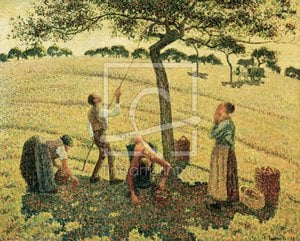
A Life Rooted in Observation: The World of Camille Pissarro
Camille Pissarro, jméno pevně spjaté jak s počátkem, tak s evolucí impresionismu, byl umělec, jehož život odrážel se měnící krajiny, které tak oddaně zachycoval na plátnech. Narodil se Jacob Abraham Camille Pissarro 10. července 1830 v Charlotte Amalie, na ostrově svatého Tomáše – tehdy součást Danských ostrovů, dnes USA Virgin Islands – jeho půvabné a rozmanité kořeny formovaly jeho umělecké vizi. Jeho otec, portugalský židovský obchodník s francouzským občanstvím, a matka z francouzsko-židovské rodiny na ostrově, v něj vložili jedinečnou kulturní identitu. Toto neobvyklé prostředí, ovlivněné rodinnými komplikacemi, formovalo ranou citlivost k okolnímu světu, kterou se později stalo základem jeho umělecké praxe. Jeho počáteční formální vzdělání na Savary Academy poblíž Paříže mu poskytlo základy v tradičních technikách, ale jeho návrat na svatý Tomáš a následná práce jako námořní věžník ho skutečně rozpalil o vášeň pro pozorování. Hlučná hanzová třída, živý místní život a divoká krása karibského pobřeží se staly jeho prvními předměty, formovaly oko, které bylo citlivé na jemné nuance každodenního života.
From Realism to Revolution: Artistic Development
Pissarroho umělecká cesta byla neustálou zkouškou a vylepšováním. Po období asistování danskému malíři Antonu Melbye v Paříži se ponořil do děl mistrů jako Gustave Courbet, Jean-Baptiste-Camille Corot a Honoré Daumier – umělců, kteří prosazovali realismus a sociální komentář. Nejprve usiloval o přijetí ve zavedeném uměleckém světě, vystavoval na Pařížském salónu, ale brzy zjistil, že jeho omezení jsou frustrující. Klíčový okamžik přišel s jeho přijetím *plein air* malby – práce venku přímo z přírody – praxe podporovanou Corotem, která se stala centrální pro impresionismus. Tento posun nebyl jen technický; představoval filozofickou změnu, touhu zachytit mihotavé efekty světla a atmosféry, samotnou esenci scény spíše než její přesné zobrazení. Začal experimentovat s volnějšími štětcovými tahy a živějšími paletami, odkláněl se od akademických konvencí směrem k subjektivnějším a expresivnějším stylům. Jeho rané krajiny, i když stále založené na realitě, naznačovaly revoluční cestu, kterou se chystal podniknout. Tato éra viděla jeho zápas s nalezením vlastního hlasu uprostřed uměleckého fermentu Paříže, města, které procházelo rychlou transformací, která poskytovala nekonečné inspirace.
The Father Figure of Impressionism
Camille Pissarro nebyl jen *jedním* impresionistou; byl spíše jeho neochvějnou a sjednocující silou. Jedinečně se zúčastnil všech osmi pařížských impresionistických výstav, od roku 1874 do 1886, působivě udržel v pohybu skupinu, která byla často charakterizována vnitřními neshodami a individuálními ambicemi. Nebyl jen přítomen – aktivně podporoval své kolegy umělce, nabídl jim podporu, vedení a potřebný pocit sounáležitosti. To si zasloužil laskavý přezdívka „otec“ hnutí. Jeho závazek k umělecké svobodě a inovacím byl neochvějný, i když čelil kritice a veřejné lhostivosti. Věřil v moc kolektivní akce a prosazoval myšlenku, že umělci vystavují nezávisle na omezujících pravidlech Salónu. Kromě své vlastní práce se Pissarroho vliv rozprostřel na mladší generaci umělců, včetně Paula Cézannea, Vincenta van Gogha a Paula Gauguina, kterým poskytl nejen technické rady, ale také filozofický rámec pro jejich umělecké průzkumy. Jeho ochota experimentovat vedla ho krátce do Neo-Impressionismu, ovlivněného Georgesem Seuratem a Paulem Signačem s použitím bodové techniky, než nakonec vrátil k osobnímu stylu, který kombinoval jeho ranější vlivy s novými objevy.
Landscapes of Life: Themes and Legacy
Pissarroho umělecké dílo bylo pozoruhodně rozmanité, přestože se neustále soustředilo na svět kolem něj. Je oslavován pro své zobrazení jak krajin a městského života, často zobrazuje scény každodenního života – vesnice pracující v polích, rušné pařížské ulice, klidné venkovské náměstí. Jeho malby nebyly jen malebné výhledy; byly sociálními komentáři, odrážející jeho hlubokou empatii pro dělnickou třídu a závazek k zobrazení jejich života s důstojností a respektem.
- Krajiny: Oslavuje krásu jak venkovského, tak městského života.
- Scény pařížského života: Živá zobrazení rychle se měnícího města.
- Život vesnice: Odráží jeho sociální povědomí a empatii pro dělnickou třídu.
Pissarroho pozdnější díla, zejména ta vytvořená v obdobích politických nepokojů nebo osobních obtíží, často nesou pocit melancholie a sociálního komentáře. Pissarroho dědictví přesahuje jeho krásné malby. Byl propagátorem umělecké svobody, mentorem pro generace umělců a průkopníkem v rozvoji moderního umění. Jeho závazek k *plein air* malbě změnil krajinářské umění, zatímco jeho ochota experimentovat s různými styly demonstrovala jeho intelektuální zvědavost a neochvějnou oddanost svému řemeslu. Dnes jsou jeho díla vystavována v předních muzeích po celém světě, pokračují inspirovat a okouzlovat publikum svou upřímností, krásou a hlubokou lidskostí.
Pissarroho umění není jen záznam světa tak, jak byl; je to důkaz síly pozorování, empatie a umělecké inovace.



 Náhled
 Přepnout na tisk
 Sdílet
 Sdílet
 Podrobnosti o díle

 Stáhnout
 Podobné položky
 Rentgenové snímky
 Slideshow
 Statistiky

 Zobrazit více






































 Skleněná varianta je dostupná pouze u rozměrů menších než 110 cm