BEZPLATNÉ UMĚLECKÉ PORADENSTVÍ

x
Koupit tisk Koupit tiskObjednat reprodukci Objednat reprodukci SdíletSdílet
PodrobnostiPodrobnosti Přidat do oblíbených Přidat do oblíbených StáhnoutStáhnout Podobné položkyPodobné položky Rentgenové snímkyRentgenové snímky SlideshowSlideshow

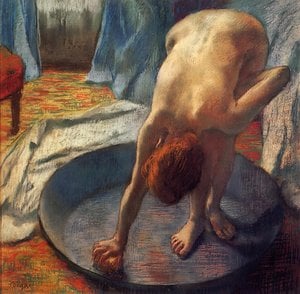
Tea table

Discover Bernard Molitor’s exquisite 18th-century French furniture: tables, secretaires & more. Explore his unique style & legacy through art & museum collections.

Koupě vysoce rozlišeného, vylepšeného digitálního obrazu, který je mnohem kvalitnější než online náhled.

Každý soubor je pečlivě připraven našimi odborníky pomocí pokročilých nástrojů a expertní manuální retuše. Zajišťujeme, aby každý obraz disponoval výjimečnou ostrostí, přesnou barevnou věrností a jemnými detaily.

Finální soubor vám bude do 72 hodin zaslán e-mailem, optimalizovaný pro okamžité použití v profesionálním, redakčním i tiskovém prostředí. Nabízíme stejnou kvalitu, které důvěřují špičková designová studia, nakladatelství i galerie.

Digitální obrazy

Stáhněte si soubor ve vysokém rozlišení pro osobní prohlížení, tisk a kreativní projekty.

Celková cena

$9.99

Součást každé objednávky digitálního obrazu

Profesionální digitální doručení, zaručeno.

Když si vyberete WahooArt.com, nezískáváte pouze obrázek – získáváte digitální umělecké dílo s profesionálně vylepšenými detaily, zpracované s precizností a podpořené zárukou za spokojenost. Zde je vše, co vaše objednávka automaticky obsahuje:

shipping_icon
Rychlé doručení e-mailem

Váš digitální obraz ve vysokém rozlišení vám bude zaslán e-mailem do 72 hodin od objednávky – připraven k okamžitému použití.

canvas_icon
Digitální soubor s využitím AI

Vaše umělecké dílo je profesionálně optimalizováno pomocí pokročilých nástrojů umělé inteligence a manuální úpravy, což zajišťuje maximální úroveň detailu, ostrosti a přesnosti barev.

insurance_icon
Bezplatné doživotní znovuodeslání

Soubor jste omylem smazali nebo ztratili? Žádný problém – kdykoliv vám ho znovu zašleme zcela zdarma.

tax_icon
Bez poplatků za dovoz – navždy

Užijte si své umělecké dílo okamžitě bez celních poplatků, daní nebo nákladů na dopravu – digitální stažení je vždy bez daňových povinností.

color_icon
Záruka přesnosti barev

Pomocí profesionálních nástrojů a správy barev zajišťujeme, aby váš digitální obraz odrážel původní barvy co nejvěrněji.

return_icon
60denní záruka spokojenosti

Pokud nebudete s digitální fotografií spokojeni, provedeme její revizi nebo vám vrátíme 100% během 60 dnů – bez jakýchkoliv dotazů.

guarantee_icon
100% záruka vrácení peněz

Nespokojeni? Získejte plnou částku zpět do 60 dní od přijetí vašeho digitálního souboru – bez jakýchkoliv dotazů.

discount_icon
Slevy při hromadných objednávkách

Koupěte si 3 obrazy, ušetřete 10% - Koupěte si 5, ušetřete 15% - Koupěte si 10+, ušetřete 20%. Ideální pro kreativní projekty, galerie a agentury.

Popis sběratelského kusu

Bernard Molitor was born in Luxembourg. He enjoyed a brilliant career as a cabinetmaker in Paris, where he settled in 1778. From the end of the reign of Louis XVI until the Restoration, he acquired a reputation based on his preference for beautiful mahoganies, which gave a great sense of unity to his work. These large tea tables with revolving marble tops were one of his specialties; they were designed to stand in the middle of a drawing room.

Biografie umělce

Bernard Molitor: The Luxembourgish Master of the French Court

Bernard Molitor, a name perhaps less familiar than those of his 18th-century contemporaries, nevertheless stands as a pivotal figure in the history of French furniture design. Born in Betzdorf, Luxembourg, in 1755 – a region steeped in both Germanic and French influences – Molitor’s journey from a miller's son to a celebrated cabinetmaker reflects the dynamic cultural shifts of his era. His early life, marked by exposure to both practical craftsmanship and burgeoning artistic sensibilities, laid the foundation for a career that would ultimately secure him a place among the most esteemed artisans serving the French court. Molitor’s story is one of adaptation, innovation, and an unwavering commitment to quality – qualities that resonated deeply with the tastes of royalty and aristocracy alike.

Early Years and Parisian Apprenticeship

Molitor's relocation to Paris in 1777 proved a transformative moment. He sought out his cousin, already established as a cabinetmaker, offering an invaluable opportunity for apprenticeship within the heart of France’s burgeoning furniture industry. This period wasn’t merely about acquiring technical skills; it was a crucial immersion into Parisian artistic trends and the evolving demands of a sophisticated clientele. Early advertisements reveal Molitor's initial ventures – selling insecticides and handwarmers shaped like books – demonstrating an entrepreneurial spirit alongside his developing craft. These early endeavors, though seemingly disparate, highlight a keen awareness of consumer needs and a willingness to experiment with new materials and designs. Crucially, this period also exposed him to the influence of English furniture styles, a trend that would significantly shape his later work.

Marriage, Guild Membership, and Royal Patronage

A pivotal event in Molitor’s career was his marriage in 1787 to the daughter of a *charpentier du roi* (royal carpenter), granting him entry into the prestigious guild of cabinetmakers. This elevation marked a significant professional ascent, solidifying his position within the Parisian furniture trade and affording him access to royal commissions. His workshop quickly gained renown, fueled by meticulous craftsmanship and an understanding of luxurious materials – particularly precious woods like mahogany and ebony. The appointment as *maître ébéniste* (master cabinetmaker) in 1787 was a testament to his skill and reputation. Notably, Molitor’s early work benefited from the patronage of Marie Antoinette, who commissioned floor paneling for her boudoir at Fontainebleau – an honor that underscored his growing influence within the royal circles.

The Revolutionary Years and Napoleonic Influence

The French Revolution dramatically altered Molitor's trajectory. Initially targeted due to his connections with the aristocracy, he narrowly avoided persecution, a testament to his adaptability and discreetness. During this tumultuous period, his style shifted towards greater austerity, reflecting the prevailing republican ideals – eschewing elaborate ornamentation in favor of simpler designs. However, even amidst political upheaval, Molitor’s commitment to quality remained unwavering. Following Napoleon's rise to power, he once again found himself in demand, supplying imperial furnishings for Saint-Cloud Palace. This period witnessed a resurgence of opulent styles, mirroring the emperor’s own grandeur and reflecting the influence of Louis XVI design principles.

Legacy and Enduring Influence

Bernard Molitor's career spanned over half a century, encompassing a remarkable range of stylistic influences and royal commissions. His furniture is characterized by impeccable craftsmanship, meticulous attention to detail, and an elegant balance between functionality and aesthetic appeal. His work demonstrates a sophisticated understanding of proportion, symmetry, and the interplay of materials – particularly the skillful application of veneering techniques. Molitor’s legacy extends beyond his individual creations; he played a crucial role in shaping the evolution of French furniture design during a period of profound social and political change. His pieces are now highly sought after by collectors and museums worldwide, offering a tangible connection to a bygone era of royal patronage and artistic excellence. His influence can still be seen today in the enduring appeal of classic French furniture – a testament to the skill and vision of this remarkable Luxembourgish master.
bernard molitor

bernard molitor

1755 - 1833 , France

Stručné informace

  • Artistic Movement Or Style: French Furniture Maker
  • Artists Or Movements Influenced By This Artist:
    • Van Gogh
    • Gauguin
  • Artists Who Influenced This Artist: ['Michel Molitor']
  • Date Of Birth: October 22, 1755
  • Date Of Death: November 17, 1833
  • Full Name: Bernard Molitor
  • Nationality: Luxembourgish, French
  • Notable Artworks:
    • Tables
    • Secretaires
  • Place Of Birth: Betzdorf, Luxembourg