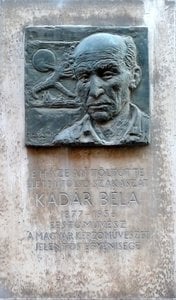
Maďarský hlas avantgardy: Život a umění Bély Kádára
Béla Kádár se narodil v roce 1877 v Budapešti do dělnické židovské rodiny. Jeho cesta k roli klíčové postavy avantgardního umění počátku 20. století byla utkaná z překážek i neochvějné oddanosti uměleckému zkoušení nových hranic. Přestože jeho formální vzdělání bylo omezeno na šest let, právě tento nedostatek tradičního školství se zdál být tím, co ho osvobodil od konvenčních mantinelů a umožnil mu vytvořřed unikátní, osobně definovaný vizuální jazyk. Kádár nezačínal svou profesní dráhu s pštelí v ruce, ale jako učeň soustružníka – řemeslo, které hluboce ovlivnilo jeho uměleckou citlivost a vštíplo mu hluboké porozumění formě, struktuře a vrozené kráse skryté v průmyslových materiálech. I v těchto raných letech však jeho tvůrčí duch jasně vynikoval; zpočátku se věnoval malování nástěn most po celé Budapešti, čímž projevoval vrozený sklon k velkolepé vizuální expresi a vyprávění příběhů. Toto základní období položilo základy pro odvážné a dynamické kompozice, které by později definovaly celé jeho dílo.
Paříž, Berlín a syntéza stylů
Skutečným katalyzátorem Kádárova uměleckého rozvoje se stala jeho cesta do Paříže a Berlína v roce 1910. Tyto cesty ho vystavily rostoucím avantgardním proudům, které tehdy přetékaly Evropou, což nevratně změnilo jeho umělogradu. Setkal se s radikálními myšlenkami skupiny Der Blaue Reiter, fragmentovanými tvary kubismu, dynamikou futurismu i syrovou energií neo-primitivismu – vlivy, které nepřijal jen tak bezduše, ale spíše je syntetizoval do vlastního, naprosto specifického vizuálního slovníku. Kádár se nespokojil s tím, aby se zařadil pouze k jedné „školě“; místo toho se vydal na neustálé zkoumání formy, barvy a kompozice, poháněn nesytou touhou vytrhnout se z okruhů tradičního reprezentativního umění. Nasávl prvky konstruktivismu a dokonce i snové kvality metafyzické malby, které do sebe vplétal do komplexní tkaniny odrážeující jeho jedinečný pohled na svět. Toto období znamenalo zásadní zlom, který ho proměnil z nadějného nástěnkaře v skutečně inovativního umělce stojícího na prahu mezinárodního uznání.
Uznání a mezinárodní odraz
Kádárov moment triumfu nastal v říjnu 1923 s výstavou v prestižní galerii Galerie der Sturm Herwartha Waldena v Berlíně. Tato prezentace představila jeho dílo v jasně expresionistickém stylu, čímž okamžitě upoutala pozornost a ugruntovala jeho postavení jako významné síly na evropské umělecké scéně. Galerie, známá proslovováním radikálních nových hlasů, poskytla Kádárovi ideální platformu pro navázání kontaktu s sběrateli i spoluúředníky, kteří sdíleli jeho vášeň pro experiment. Jeho mezinárodní profil dále posílily dvě výstavy organizované Katherine Dreier v Brooklynském muzeu umění v New Yorku v letech ungu 1926 a 1928. Kádár se dokonce zúčastnil té druhé, čímž upevnil svou přítomnost na americké umělecké půdě a vytvořil si cenné vazby v rostoucím modernistickém hnutí přes Atlantik. Jeho malby z tohoto období často zachycovaly scény čerpané z maďarského folklóru, intimní portréty a pohledy na vesnický život – témata vykreslená odvážnou paletou barev a dynamickými kompozicemi, které zachytily jak ducha jeho vlast, tak energii moderní doby.
Odkaz odvážné inovace
Umělecký styl Bély Kádára je okamžitě rozpoznatelný díky svému živému a expresivnímu využití barvy, často využívající ne-naturalistické odstíny k vyjádření emocí a atmosféry. Jeho kompozice jsou charakterizovány hmatatelným pocitem pohybu a energie, dosaženým prostřednictvím hry linií, tvarů a forem, které se zdají na plátně vibrovat. Často používal techniku impasto – nanášení tlustých vrstev barvy – čímž vytvářel texturované povrchy, které zesilují vizuální dopad jeho děl a vybízejí k taktilnímu prožitku. Avšak tím, co Kádára skutečně odlišuje, je jeho neuvěřitelná schopnost syntetizovat tyto rozmanité umělecké vlivy do kohezního a originálního stylu. Představuje zásadní spojovací článek mezi maďarskou avantgardou a širšími evropskými proudy jeho doby, zrcadlící sociální a politické otřesy počátku 20. století ve svém umění. Ačkoliv za svého života nebyl vždy oslavován stejně široce jako někteří jeho contemporary, Kádárova tvorba za posledních desetiletí zažila renesanci, přičemž vědci stále více uznávají jeho významný přínos k modernímu umění. Zemřel v Budapešti v roce 1956 a zanechal po sobě odkaz odvážných a inovativních maleb, které i dnes inspirují umělce a fascinují publikum – jako svědectví o trvající síle umělce, který se odvážil vykrajet si vlastní cestu.
Klíčové charakteristiky Kádárova díla
- Odvážná barevná paleta: Kádár byl proslulý svým živým a expresivním použitím barvy, často využívající ne-naturalistické odstíny k vyjádření emocí a atmosféry.
- Dynamická kompozice: Jeho kompozice jsou charakterizovány pocitem pohybu a energie, dosaženým prostřednictvím interakce linií, tvarů a forem.
- Technika impasto: Často používal tlusté vrstvy barvy (impasto) k vytváření texturovaných povrchů a zvýšení vizuálního dopadu svého díla.
- Jedinečná syntéza: Kádárova schopnost syntetizovat různé umělecké vlivy do jednotného a originálního stylu z něj činí významnou postavu umění počátku 20. století.
- Témata a motivy: Jeho malby často zobrazují scény z folklóru, vesnický život a intimní portréty, vykreslené odvážnými barvami a dynamickými kompozicemi. Experimentoval také s abstraktními tématy a fragmentovanými tvary.



 Zobrazit v interiéru
 Přepnout na tiskové verze
 Odeslat
 Sdílet
 Podrobnosti
 Průvodce

 Stáhnout obrázek
 Podobné kousky
 Rentgenové snímky
 Slideshow
 Statistiky
 Přečíst si více