


Získejte soubor připravený k tisku, který svou kvalitou výrazně převyšuje webový náhled. Každý prodávaný digitální obraz pochází z vysokorozlišeného originálu v naší databázi – obvykle o šířce 5 000 až 15 000 pixelů – díky čemuž můžete tisknout ve velkém formátu, provádět těsný střih nebo si s jistotou užít i ty nejjemnější detaily.
Žádný soubor neopustí naše studio bez úprav. Digitální expert kontroluje barvy v porovnání s původním malířským dílem a v případě potřeby je upravuje, poté pomocí profesionálních nástrojů pro retuš zvyšuje ostrost a detailnost — přičemž vždy zůstává věrný tahům štětcem a stylu umělce. Výsledkem je obraz, který vypadá jako malba, nikoliv jako naskenovaný snímek s filtrem.
Schvalování před dokončením: náš expert vám do 72 hodin zašle obraz e-mailem k revizi. Nejsste spokojeni? Můžete požádat o úpravy či opravy, nebo si můžete vyžádat vrácení peněz, pokud kvalita neodpovídá vašim očekáváním.
Tuto kvalitu využívají vydavatelství, designová studia, galerie i tiskárny.
Stáhněte si soubor ve vysokém rozlišení pro osobní prohlížení, tisk nebo kreativní projekty. ( Přepnout na tisk Koupit ručně malovaný obraz)
Když si vyberete WahooArt.com, nezískáváte pouze obrázek – získáváte digitální umělecké dílo s profesionálně vylepšenými detaily, zpracované s precizností a podpořené zárukou za spokojenost. Zde je vše, co vaše objednávka automaticky obsahuje:
Váš digitální obraz ve vysokém rozlišení vám bude zaslán e-mailem do 72 hodin od objednávky – připraven k okamžitému použití.
Vaše umělecké dílo je profesionálně optimalizováno pomocí pokročilých nástrojů umělé inteligence a manuální úpravy, což zajišťuje maximální úroveň detailu, ostrosti a přesnosti barev.
Soubor jste omylem smazali nebo ztratili? Žádný problém – kdykoliv vám ho znovu zašleme zcela zdarma.
Užijte si své umělecké dílo okamžitě bez celních poplatků, daní nebo nákladů na dopravu – digitální stažení je vždy bez daňových povinností.
Díky profesionálním nástrojům a správě barev zajišťujeme, aby váš digitální obraz odrážel původní barvy co nejvěrněji.
Pokud nebudete s digitálním obrázkem spokojeni, provedeme jeho revizi nebo vám vrátíme 100% platby do 100 dnů – bez jakýchkoliv dotazů.
Nespokojeni? Získejte plnou náhradu peněz do 100 dnů od obdržení digitálního souboru – bez zbytečných dotazů.
Koupě 3 obrazů ušetří 10% – Koupě 5 obrazů ušetří 15% – Koupě 10+ obrazů ušetří 20%. Ideální pro kreativní projekty, galerie a agentury.
In the quiet corners of the Fitzwilliam Museum, there exists a window into a lost era—a watercolor titled Classical Landscape with Ruins by the Dutch master Bartholomeus Breenbergh. Created around 1629, this delicate work is far more than a mere topographical record; it is a profound meditation on the passage of time and the inevitable triumph of nature over human ambition. As one gazes upon the crumbling stone structures in the foreground, there is an immediate sense of the sublime—that intoxicating mixture of awe and terror that comes from witnessing the slow, relentless decay of once-great civilizations. Breenbergh captures a moment where the grandeur of Rome meets the quiet persistence of the earth, inviting the viewer to contemplate their own place within the vast, cyclical rhythm of history.
The composition is masterfully orchestrated to lead the eye through a narrative of light and shadow. In the foreground, the skeletal remains of classical architecture serve as a poignant memento mori, while life continues in its humble, unbothered forms around them. Two figures wander near the ruins, perhaps travelers or shepherds lost in thought, their small scale emphasizing the monumental weight of the past. Scattered throughout this pastoral scene are the gentle rhythms of rural life: cows and sheep graze peacefully, a horse rests in the mid-ground, and a solitary bird drifts through the sky. Even the presence of a tranquil body of water near the right edge of the frame adds a layer of reflective stillness, mirroring the contemplative mood that permeates the entire landscape.
Technically, Breenbergh departs from the rigid, microscopic realism often associated with his Dutch contemporaries. Instead, he embraces an Italianate sensibility, characterized by a soft, atmospheric perspective that breathes life into the paper. His brushwork is loose and expressive, eschewing sharp outlines in favor of luminous transitions. Light is the true protagonist of this piece; shafts of sunlight pierce through the architectural debris, illuminating patches of verdant foliage and casting long, dramatic shadows that stretch across the terrain. This manipulation of light creates a sense of depth and drama, pulling the viewer into a world where the air feels heavy with humidity and history.
The color palette is a sophisticated study in muted elegance. Dominated by earthy browns, deep ochres, and mossy greens, the painting evokes the feeling of an ancient, sun-drenched landscape. Yet, Breenbergh punctuates these somber tones with subtle splashes of crimson and gold, reminiscent of the dramatic chiaroscuro found in the works of Caravaggio. For the discerning collector or interior designer, this piece offers a remarkable versatility. Its tonal depth and classical subject matter allow it to serve as a sophisticated focal point in a traditional study, a serene anchor in a contemporary minimalist space, or a soulful addition to a gallery wall dedicated to the Golden Age of painting.
To possess a reproduction of this work is to bring a piece of the 17th-century soul into the modern home. Breenbergh’s ability to weave together the architectural ghosts of antiquity with the living, breathing pulse of nature creates an emotional resonance that transcends centuries. The painting does not merely depict a scene; it evokes a feeling of nostalgia for a greatness we can no longer touch, yet still deeply admire. It is an invitation to slow down, to observe the play of light upon stone, and to find beauty in the ephemeral. Whether you are drawn to its historical significance, its masterful use of atmospheric perspective, or its quiet, melancholic grace, this artwork remains a timeless testament to the enduring power of the classical spirit.
„Classical Landscape with Ruins“ od Bartholomeus Breenbergh vykazuje Statement kontrast mezi světlými a tmavými částmi.
Dílo „Classical Landscape with Ruins“ od Bartholomeus Breenbergh je doporučeno do místnosti Living Room. Toto doporučení vychází z tématu, barevnosti a nálady daného díla.
Pro dílo „Classical Landscape with Ruins“ od Bartholomeus Breenbergh se doporučuje reprodukce ve velikosti Small. Velikost lze upravit při zachování původních proporcí.

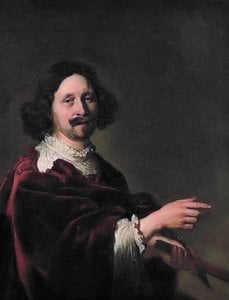
1598 - 1657 , Nizozemsko
 Náhled v interiéru
 Sdílet
 Sdílet
 Podrobnosti o díle
 Průvodce

 Stáhnout
 Podobné položky
 Rentgenové snímky
 Slideshow
 Otázky a odpovědi
 Statistiky


 Zobrazit více


