BEZPLATNÉ UMĚLECKÉ PORADENSTVÍ
x
Bronz
Sochařství
Modern Sculpture
1966
76.0 x 58.0 cm
The Hepworth WakefieldGiclée nebo plátěný tisk muzeální kvality s rychlou výrobou a flexibilními možnostmi povrchové úpravy.
Vyberte si z našich přednastavených velikostí, které odpovídají původním proporcím díla.
Můžete zadat vlastní rozměry tak, aby výtvor odpovídal konkrétnímu rámu nebo prostoru. Pokud zvolená velikost nebude odpovídat poměru stran původního obrazu, dílo buď ořížeme, nebo obraz rozšíříme pomocí zrcadlového efektu či jednobarevného okraje. Před zahájením výroby vám bude zaslán digitální náhled k schválení.
Mějte prosím na paměti, že náhled na obrazovce neodráží skutečné oříznutí nebo rozšíření. Pouze digitální náhled přesně zobrazí finální kompozici.
Ačkoliv jsou k dispozici i vlastní rozměry, pro zachování původních proporcí doporučujeme vybrat si rozměr z předdefinovaného seznamu.
Celosvětové doručení () do 2 týdnů namísto standardních 4/5 týdnů. (3 červenec)
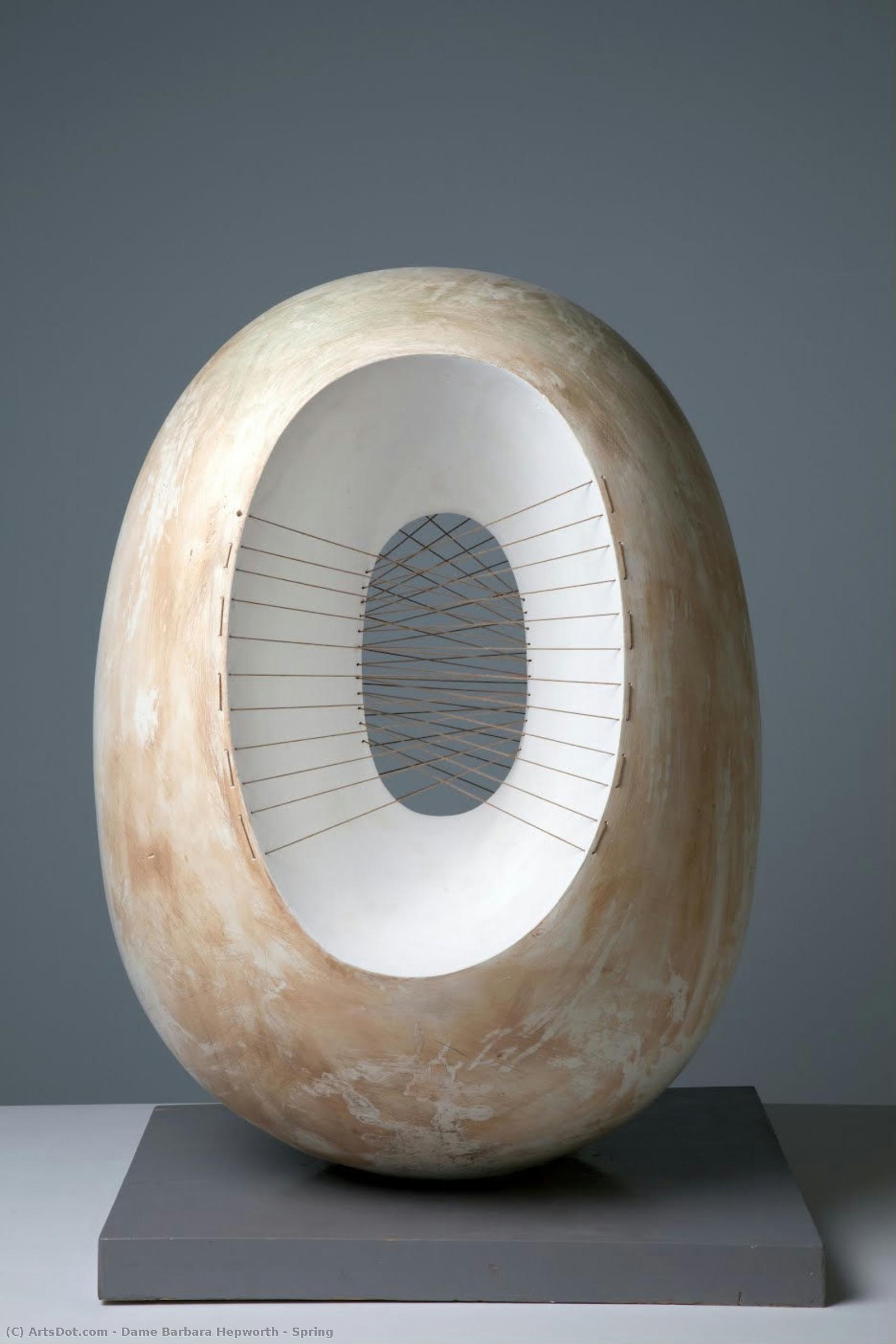
Jaro
Rozměry reprodukce
Dame Barbara Hepworth's "Spring," created in 1966, is more than just a sculpture; it’s an invitation to contemplate the very essence of form and space. This remarkable piece, housed within the intimate confines of a pedestal, immediately draws the eye with its stark contrast – a substantial, weathered stone circle embracing a smaller, luminous wood sphere. The work embodies Hepworth's signature style: a profound exploration of negative space, an almost meditative approach to material, and a deep connection to the natural world. It’s a testament to her belief that sculpture should not merely represent but *become* something new, inviting viewers to actively engage with its presence.
Hepworth's artistic journey was deeply rooted in early 20th-century European movements like Cubism and Abstraction-Création. Initially influenced by the Parisian avant-garde, she gradually developed a uniquely personal language, moving away from representational forms towards pure abstraction. This shift is powerfully evident in "Spring." The rough texture of the stone, reminiscent of ancient rock formations, speaks to an enduring strength and stability – a grounding force within the composition. Conversely, the wood sphere, lighter and warmer, suggests vulnerability, growth, and the ephemeral nature of life itself. The deliberate juxtaposition creates a dynamic tension, a visual dialogue between solidity and fluidity.
Hepworth’s masterful manipulation of materials is central to the sculpture's impact. The stone, likely sourced from local quarries, was meticulously worked – not smoothed or polished, but left with its inherent irregularities and textures. This deliberate roughness emphasizes the material’s history, its connection to the earth. The wood, chosen for its warmth and lightness, provides a striking counterpoint. Hepworth's technique involved carefully carving and shaping both materials, often using pneumatic tools to achieve precise forms while retaining a sense of spontaneity. The subtle variations in surface – the slight undulations on the stone, the delicate grain of the wood – contribute significantly to the sculpture’s tactile quality, inviting viewers to imagine running their hands across its surfaces.
The choice of materials themselves carries symbolic weight. Stone represents permanence, tradition, and the enduring power of nature. Wood, in contrast, embodies growth, change, and the cyclical rhythms of life. Hepworth wasn’t simply arranging these materials; she was orchestrating a conversation between them – a visual representation of opposing forces finding equilibrium.
"Spring" was created during a pivotal period in Hepworth's career, following her relocation to St Ives, Cornwall. This move profoundly influenced her work, immersing her in the rugged beauty of the Cornish coastline and fostering a deep connection with the landscape. The sculpture reflects this new environment – its forms echoing the curves of the cliffs and the textures of the earth. St Ives became a haven for artists seeking inspiration, and Hepworth’s studio there was a hub of creativity, attracting figures like Ben Nicholson and Henry Moore.
Hepworth's work continues to resonate with viewers today because it transcends mere aesthetics. It speaks to fundamental questions about form, space, and the relationship between humans and nature. Reproductions of "Spring," meticulously crafted by WahooArt.com, offer a remarkable opportunity to experience this powerful artwork in your own home or office – a chance to bring a touch of Hepworth’s profound vision into your life.
The title “Spring” itself is laden with symbolic meaning. It represents renewal, rebirth, and the emergence of new life. The sculpture captures this essence through its contrasting forms – the solid stone representing the established past, while the delicate wood sphere embodies potential and growth. There’s a sense of quiet contemplation within the piece; it doesn't shout for attention but invites viewers to pause, reflect, and connect with their own experiences of nature and transformation.
The interplay between light and shadow further enhances the sculpture’s emotional impact. As sunlight shifts throughout the day, the forms are constantly transformed, creating a dynamic visual experience. This ephemeral quality adds another layer of depth to the work, reminding us of the fleeting beauty of life and the importance of appreciating each moment.
1903 - 1975 , Spojené království
Sdělte nám více o svém projektu a naši odborníci na umění vám připraví 3 personalizované návrhy uměleckých děl.

Nechť pro vás vybereme 3 možnosti – zdarma!