BEZPLATNÉ UMĚLECKÉ PORADENSTVÍ

x
Objednat reprodukci Objednat reprodukciKoupit digitální obrázek Koupit digitální obrázek SdíletSdílet
PodrobnostiPodrobnosti Přidat do oblíbených Přidat do oblíbených StáhnoutStáhnout Podobné položkyPodobné položky Rentgenové snímkyRentgenové snímky SlideshowSlideshow

Čajový kontejner

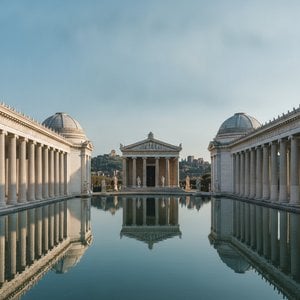
Detailní obraz čajového kontejneru od Balthasara Wiganda z roku 1820. Tento miniaturistický dílo je vystaveno ve Vídni a oslavuje fascinující zájem o klasickou architekturu.

Discover Balthasar Wigand, an Austrian painter renowned for intricate miniatures & portraits. Explore his detailed works at the Vienna Museum of Applied Arts.

Giclée / Umělecký tisk

Giclée nebo plátěný tisk muzeální kvality s rychlou výrobou a flexibilními možnostmi povrchové úpravy.

P118B $10
P118H $10
P118W $10
P438Z $10
P508JH $12
P508YH $12
P805H $10
P805Z $10
P919BZ $10
P919G $10
P919XJ $10
P959ZH $10
P968JZ $12
W106C $8
W218G $10
W218JH $8
W218Y $10
W307PJ $10
W316G $10
W316PJ $8
W316Y $10
W398PJ $8
W4111J $10
W500HY $15
W500JH $15
W692G $12
W849H $8
W940BG $15
W953PJ $8

Standard
custom
CM
INCH

Vyberte si z našich přednastavených velikostí, které odpovídají původním proporcím díla.

šířka
výška

Můžete zadat vlastní rozměry tak, aby výtvor odpovídal konkrétnímu rámu nebo prostoru. Pokud zvolená velikost nebude odpovídat poměru stran původního obrazu, dílo buď ořížeme, nebo obraz rozšíříme pomocí zrcadlového efektu či jednobarevného okraje. Před zahájením výroby vám bude zaslán digitální náhled k schválení.
Mějte prosím na paměti, že náhled na obrazovce neodráží skutečné oříznutí nebo rozšíření. Pouze digitální náhled přesně zobrazí finální kompozici.
Ačkoliv jsou k dispozici i vlastní rozměry, pro zachování původních proporcí doporučujeme vybrat si rozměr z předdefinovaného seznamu.

Celosvětové doručení () do 2 týdnů namísto standardních 4/5 týdnů. (5 červenec)

why_choose_icon
Zdarma celosvětová expresní doprava
why_choose_icon
Vysoce kvalitní lněné plátno
why_choose_icon
Kompletní přepravní pojištění
why_choose_icon
Záruka vrácení celního poplatku
why_choose_icon
Záruka přesného barevného shodu
why_choose_icon
60denní lhůta pro vrácení zboží (pouze při vadách výroby)
why_choose_icon
100% garance vrácení peněz
why_choose_icon
Sleva při hromadné objednávce

Celková cena

-

reproduction

Čajový kontejner

Giclée / Umělecký tisk

Rozměry reprodukce

-

Celková cena za výběr

-

Základní informace

  • Movement: Romanticism
  • Location: Wien Museum, Vienna
  • Influences: Classical Antiquity
  • Artistic style: Realistic
  • Notable elements or techniques: Detailed miniature painting
  • Title: Tea Container
  • Subject or theme: Still Life

Popis sběratelského kousku

Významné dílo Balthasara Wiganda: Čajový kontejner

Čajový kontejner od Balthasar Wiganda představuje fascinující ukázku uměleckého zpracování období romantismu a zároveň důkaz mimořádného vědomí technik miniaturizace. Tento obraz vytvořený roku 1820 je uložen ve Vídenském muzeu aplikovaného umění, kde si získal uznání kritiky i odborníků jakožto dokonalé reprodukce klasické estetiky. Wigandův přístup byl odlišný od běžných postupů své doby – místo monumentálních projektů se věnoval přesnému zobrazení drobného objektu s důrazem na detail a autenticitu materiálu.
  • Styl: Klasicistický miniaturismus – Wigandův obraz reflektuje zájem o obnovení klasických ideálů a estetiky, který byl charakteristický pro první polovinu 19. století.
  • Technika: Gouache na plátně – Použití gouache poskytovalo bohaté barvy a vysokou odolnost vůči světlu, což bylo nezbytné při tvorbě miniatur. Wigand dokázal vytvořit přesvědčivý obraz pomocí této metody.
  • Historický Kontext: Rok 1820 byl obdobím rozvoje romantismu ve východní Evropě, kdy umělci hledali nové způsoby vyjádření emocí a subjektivní zkušenosti. Tento obraz odráží tuto estetickou tendenci.
Symbolika: Čajový kontejner sám o sobě byl v době Wiganda symbolem společenského života a kultivovanosti. Jeho zlatý rámec vyjadřoval bohatství a prestiž, zatímco samotné černé keramické tělo působilo klidem a elegancí. Reprodukce tohoto díla může být inspirativní pro tvorbu interiérů, které chtějí evokovat atmosféru aristokratického prostředí. Emoční Dopad: Dílo vyvolává pocit nostalgie za minulostí a zároveň připomíná krásu jednoduchosti. Jeho přesvědčivý detailní obraz umožňuje pozorovat každé nuance materiálu a osvětlení, což vede diváka k meditaci nad uměleckým dílem. Tento obraz je ideální volbou pro ty, kteří hledají estetickou hodnotu v miniaturách.
  • Doporučení: Kvalitní reprodukce tohoto obrazu vám umožní ocenit krásu klasické estetiky a umělecké řemeslo Balthasar Wiganda ve vašich prostorách.

Biografie umělce

John Henning: The Sculptor of Miniature Wonders

John Henning (1771–1851) wasn’t a name etched in the annals of grand historical sculpture, yet his legacy resides in an astonishing feat of artistic dedication and meticulous detail. Born in Paisley, Scotland, into a family rooted in carpentry, Henning’s journey from craftsman to miniature master is a testament to his singular vision and unwavering commitment. He didn't seek fame through monumental works; instead, he dedicated twelve years to painstakingly recreating the iconic Parthenon and Bassae friezes – colossal marble panels depicting scenes of ancient Greek life – on a scale that defied belief: tiny replicas just two inches high yet stretching over twenty-four feet in length. This remarkable achievement offers a unique window into the artistic sensibilities of early 19th-century Britain, revealing a fascination with classical antiquity and a burgeoning interest in accurate reproduction.

Henning’s early life provided a solid foundation for his future endeavors. Trained by his father, he initially honed his skills as a carpenter, developing an appreciation for the properties of wood and its potential for intricate detail. It was through portraiture that he truly discovered his artistic voice, creating cameos of friends and family that showcased his burgeoning talent for capturing likenesses with remarkable precision. This early success paved the way for him to pursue more ambitious projects, ultimately leading him to the monumental task of replicating the ancient friezes.

The Inspiration: Elgin’s Marbles and a Royal Patron

The catalyst for Henning's extraordinary undertaking was his encounter with the newly arrived Parthenon marbles in Burlington House. Witnessing these fragments of classical history, he became captivated by their beauty and complexity. Crucially, he secured permission from Lord Elgin to study and draw them, an opportunity that proved invaluable. It was during this period that Henning conceived the idea of using his drawings as a basis for creating slate molds – miniature versions capable of producing remarkably detailed replicas. This innovative approach, combined with the patronage of Princess Charlotte, provided him with the resources and encouragement he needed to embark on his ambitious project.

The Princess’s interest in Henning's work stemmed from her own fascination with classical art and literature. She commissioned a medallion portrait of the sculptor himself, an event that not only boosted his confidence but also exposed him to a wider circle of influential figures. This royal connection undoubtedly played a significant role in securing funding and recognition for his extraordinary endeavor.

The Process: A Labor of Love

Henning’s process was nothing short of obsessive. He meticulously studied the original friezes, painstakingly recreating every detail – from the folds of drapery to the expressions on the faces of the figures. He utilized a complex system of slate molds, each requiring countless iterations and adjustments to achieve the desired level of accuracy. The sheer scale of the project demanded immense patience and unwavering dedication; it was a labor of love that consumed his life for twelve years. His work wasn’t simply copying; he aimed to recreate the essence of the originals, capturing their spirit and grandeur in miniature.

Interestingly, Henning didn't attempt to copyright his creations, recognizing the impossibility of protecting the work of long-dead artists. This reflects a broader attitude towards artistic ownership during that era, where inspiration and imitation were often seen as integral parts of the creative process. The Bassae frieze, added later to the project, further extended this period of intense dedication.

Legacy and Significance

John Henning’s miniature replicas of the Parthenon and Bassae friezes represent a remarkable achievement in the history of art reproduction. They demonstrate not only his exceptional technical skill but also his deep appreciation for classical antiquity. His work influenced subsequent generations of artists and craftsmen, contributing to the development of techniques for accurate reproduction and inspiring a renewed interest in ancient Greek culture. While he may not be as widely celebrated as some of his contemporaries, Henning’s legacy endures through these exquisite miniature masterpieces – tangible testaments to his dedication, ingenuity, and profound respect for the past.

Today, fragments of these remarkable creations can be viewed at the Musée du Louvre in Paris. They stand as a poignant reminder of a solitary artist who dedicated his life to capturing the beauty and grandeur of ancient Greece on a scale that defied imagination.

balthasar wigand

balthasar wigand

1771 - 1846 , Austria

Rychlé fakta

  • Artistic Movement Or Style: Sculpture, Miniatures
  • Artists Who Influenced This Artist: ['None],\n "Artists or movements influenced by this artist": [None']
  • Date Of Birth: 1771
  • Date Of Death: 1851
  • Full Name: John Henning
  • Nationality: Scottish
  • Notable Artworks:
    • Parthenon frieze
    • Bassae frieze
  • Place Of Birth: Paisley, Scotland
Prozkoumejte umělecká díla uspořádaná podle témat, stylů a charakteristik.