BEZPLATNÉ UMĚLECKÉ PORADENSTVÍ

x
Koupit tisk Koupit tiskObjednat reprodukci Objednat reprodukci SdíletSdílet
PodrobnostiPodrobnosti Přidat do oblíbených Přidat do oblíbených StáhnoutStáhnout Podobné položkyPodobné položky Rentgenové snímkyRentgenové snímky SlideshowSlideshow

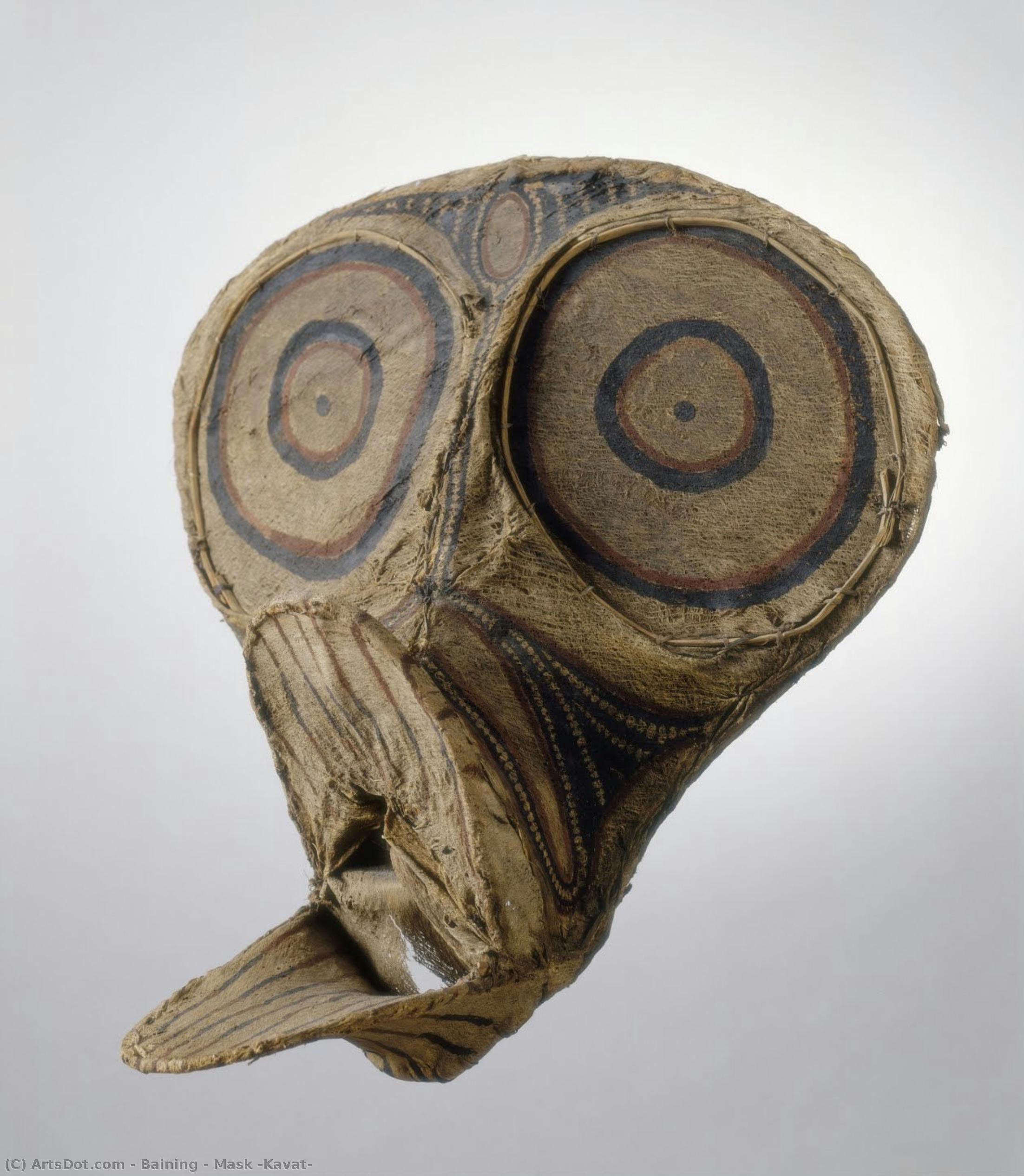
Mask (Kavat)

Explore the evocative art of Baining, a Papua New Guinean artist renowned for documenting his people's traditions & history through intricate storytelling.

Koupě vysoce rozlišeného, vylepšeného digitálního obrazu, který je mnohem kvalitnější než online náhled.

Každý soubor je pečlivě připraven našimi odborníky pomocí pokročilých nástrojů a expertní manuální retuše. Zajišťujeme, aby každý obraz disponoval výjimečnou ostrostí, přesnou barevnou věrností a jemnými detaily.

Finální soubor vám bude do 72 hodin zaslán e-mailem, optimalizovaný pro okamžité použití v profesionálním, redakčním i tiskovém prostředí. Nabízíme stejnou kvalitu, které důvěřují špičková designová studia, nakladatelství i galerie.

Digitální obrazy

Stáhněte si soubor ve vysokém rozlišení pro osobní prohlížení, tisk a kreativní projekty.

Celková cena

$9.99

Součást každé objednávky digitálního obrazu

Profesionální digitální doručení, zaručeno.

Když si vyberete WahooArt.com, nezískáváte pouze obrázek – získáváte digitální umělecké dílo s profesionálně vylepšenými detaily, zpracované s precizností a podpořené zárukou za spokojenost. Zde je vše, co vaše objednávka automaticky obsahuje:

shipping_icon
Rychlé doručení e-mailem

Váš digitální obraz ve vysokém rozlišení vám bude zaslán e-mailem do 72 hodin od objednávky – připraven k okamžitému použití.

canvas_icon
Digitální soubor s využitím AI

Vaše umělecké dílo je profesionálně optimalizováno pomocí pokročilých nástrojů umělé inteligence a manuální úpravy, což zajišťuje maximální úroveň detailu, ostrosti a přesnosti barev.

insurance_icon
Bezplatné doživotní znovuodeslání

Soubor jste omylem smazali nebo ztratili? Žádný problém – kdykoliv vám ho znovu zašleme zcela zdarma.

tax_icon
Bez poplatků za dovoz – navždy

Užijte si své umělecké dílo okamžitě bez celních poplatků, daní nebo nákladů na dopravu – digitální stažení je vždy bez daňových povinností.

color_icon
Záruka přesnosti barev

Pomocí profesionálních nástrojů a správy barev zajišťujeme, aby váš digitální obraz odrážel původní barvy co nejvěrněji.

return_icon
60denní záruka spokojenosti

Pokud nebudete s digitální fotografií spokojeni, provedeme její revizi nebo vám vrátíme 100% během 60 dnů – bez jakýchkoliv dotazů.

guarantee_icon
100% záruka vrácení peněz

Nespokojeni? Získejte plnou částku zpět do 60 dní od přijetí vašeho digitálního souboru – bez jakýchkoliv dotazů.

discount_icon
Slevy při hromadných objednávkách

Koupěte si 3 obrazy, ušetřete 10% - Koupěte si 5, ušetřete 15% - Koupěte si 10+, ušetřete 20%. Ideální pro kreativní projekty, galerie a agentury.


Biografie umělce

The Echoes of the Baining Mountains

The art of Baining, a name that resonates with both mystery and profound cultural significance, is inextricably linked to the rugged landscapes of the Baining Mountains on the Gazelle Peninsula of East New Britain, Papua New Guinea. More than simply a collection of visual representations, Baining artistry—manifesting in elaborate masks, intricate barkcloth designs, dynamic fire dances, and even the rhythmic patterns of their daily lives—is a complex system of storytelling, social control, and spiritual connection. It’s a tradition born from centuries of interaction with the environment, shaped by internal clan dynamics, and profoundly influenced by the ebb and flow of external pressures – most notably, the arrival of neighboring tribes and the subsequent imposition of colonial rule.

The Baining people themselves are thought to have been driven into these mountains in comparatively recent times, a consequence of migrations and conflicts with the Tolai tribes who dominated the coastal regions. This displacement fostered a unique identity—one deeply rooted in resilience, a pragmatic approach to survival, and an unwavering commitment to preserving their cultural heritage within a geographically isolated space. Early ethnographic accounts often painted a picture of a ‘primitive’ culture, largely due to the difficulty of establishing genuine communication with the Baining people – a challenge compounded by the fact that they actively resisted attempts at imposing Western frameworks of understanding.

The Language of Masks and Dance

At the heart of Baining artistic expression lies the mask. These aren’t merely decorative objects; they are conduits to the spirit world, embodiments of ancestral figures, and powerful symbols of social status and authority. Crafted primarily from cane and adorned with white barkcloth, each mask is meticulously painted using natural pigments derived from plants and berries – a process that reflects a deep understanding of the local flora and its symbolic potential. The intricate designs—often depicting mythical creatures, spirits, or clan leaders—are not simply aesthetically pleasing; they carry specific narratives and convey complex meanings understood only by initiates and elders.

The fire dances, perhaps the most iconic aspect of Baining culture, are a spectacular display of athleticism, ritualism, and community cohesion. Performed during elaborate ceremonies, these dances involve young men leaping through blazing bonfires – a symbolic act of purification and initiation into manhood. The rhythmic drumming, chanting, and swirling movements create an immersive experience that transcends the purely physical, connecting participants to their ancestors and reinforcing social bonds. The Baining believe that fire possesses transformative power, capable of cleansing negativity and ushering in new beginnings.

A Culture Shaped by Constraint

Despite the romanticized notions of a ‘primitive’ culture, the Baining way of life is characterized by a remarkable degree of constraint. Unlike many other Melanesian societies, they actively discourage play and leisure activities, viewing them as frivolous distractions from the essential task of working to sustain their community. This emphasis on work—on mastering the land and securing resources—is not simply a matter of economic necessity; it’s deeply intertwined with their spiritual beliefs and social structure. As anthropologist Alexandra Edwards has argued, the Baining see themselves as distinct from the ‘animalistic’ world through their labor, effectively defining what it means to be human.

This aversion to play is not simply a matter of repression; it's a fundamental aspect of their worldview. The Baining believe that excessive indulgence leads to chaos and disruption, while disciplined work fosters harmony and stability. The very act of creating—whether through crafting masks, weaving barkcloth, or cultivating crops—is imbued with spiritual significance, transforming everyday tasks into sacred rituals.

Legacy and Interpretation

Contemporary interpretations of Baining art and culture often challenge the reductive portrayals of the past. Recent scholarship has moved beyond simplistic notions of ‘primitiveness,’ recognizing the sophisticated mytho-poetic systems that underpin Baining social organization, artistic expression, and spiritual beliefs. The Baining’s resistance to external influences—their deliberate rejection of Western concepts of play and leisure—has been reinterpreted as a form of cultural preservation, a conscious effort to maintain their unique identity in the face of overwhelming pressures.

The art of Baining continues to evolve, adapting to changing circumstances while retaining its core values. Despite facing challenges such as environmental degradation and economic hardship, the Baining people remain committed to preserving their traditions—a testament to the enduring power of a culture forged in the heart of the Baining Mountains.

baining

baining

Papua New Guinea

Stručné informace

  • Artistic Movement Or Style: Indigenous Art
  • Artists Or Movements Influenced By This Artist: ['None known']
  • Artists Who Influenced This Artist:
    • Thomas Baines
    • George Grantham Bain
  • Full Name: Baining
  • Nationality: Papua New Guinean
  • Notable Artworks:
    • Baining People
    • Night Dance Ceremonies
  • Place Of Birth: WahooArt, Papua New Guinea