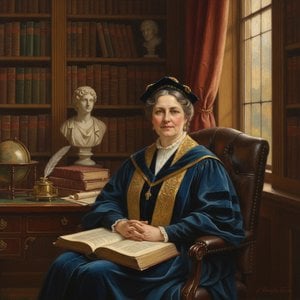
Veritas (1881) od Arnold Böcklin, ručně malovaná olejná reprodukce mistrovským umělcem
Náhled v interiéru Náhled v AR Přepnout na tisk Přepnout na digitální obraz Sdílet
Podrobnosti o díle Průvodce Přidat do oblíbených Stáhnout Podobné položky Rentgenové snímky Slideshow Otázky a odpovědi Prezentace Statistiky

Veritas Ručně malovaná reprodukce olejomalby

Rozměry
27.0 x 22.0cm

This somber monochrome portrait of Truth by Arnold Böcklin evokes strength and purity. Discover this allegorical masterpiece today.

Švýcarský symbolista známý dílem Ostrov mrtvých. Objevte jeho fascinující mytologická díla ještě dnes.

Ručně malovaná olejová reprodukce

Rukou malované olejné plátno v libovolném rozměru i s rámem, vyrobené našimi umělci na zakázku. ( Přepnout na tisk Přepnout na digitální obraz)


Corner sample of the P118B picture frame: tvarovaný polystyren, 5 cm wide and 3 cm thick
P118B Kč10
Corner sample of the P118H picture frame: tvarovaný polystyren, 5 cm wide and 3 cm thick
P118H Kč10
Corner sample of the P118W picture frame: tvarovaný polystyren, 5 cm wide and 3 cm thick
P118W Kč10
Corner sample of the P438Z picture frame: tvarovaný polystyren, 5.5 cm wide and 3.5 cm thick
P438Z Kč10
Corner sample of the P508JH picture frame: tvarovaný polystyren, 7 cm wide and 3.5 cm thick
P508JH Kč12
Corner sample of the P508YH picture frame: tvarovaný polystyren, 7 cm wide and 3.5 cm thick
P508YH Kč12
Corner sample of the P805H picture frame: tvarovaný polystyren, 5 cm wide and 3.5 cm thick
P805H Kč10
Corner sample of the P805Z picture frame: tvarovaný polystyren, 5 cm wide and 3.5 cm thick
P805Z Kč10
Corner sample of the P919BZ picture frame: tvarovaný polystyren, 7 cm wide and 3.5 cm thick
P919BZ Kč10
Corner sample of the P919G picture frame: tvarovaný polystyren, 7 cm wide and 3.5 cm thick
P919G Kč10
Corner sample of the P919XJ picture frame: tvarovaný polystyren, 7 cm wide and 3.5 cm thick
P919XJ Kč10
Corner sample of the P959ZH picture frame: tvarovaný polystyren, 5 cm wide and 3 cm thick
P959ZH Kč10
Corner sample of the P968JZ picture frame: tvarovaný polystyren, 6 cm wide and 4 cm thick
P968JZ Kč12
Corner sample of the W106C picture frame: masivní dřevo, 5 cm wide and 3 cm thick
W106C Kč8
Corner sample of the W218G picture frame: masivní dřevo, 5 cm wide and 3 cm thick
W218G Kč10
Corner sample of the W218JH picture frame: masivní dřevo, 5 cm wide and 3 cm thick
W218JH Kč8
Corner sample of the W218Y picture frame: masivní dřevo, 5 cm wide and 3 cm thick
W218Y Kč10
Corner sample of the W307PJ picture frame: masivní dřevo, 6 cm wide and 3 cm thick
W307PJ Kč10
Corner sample of the W316G picture frame: masivní dřevo, 6 cm wide and 3 cm thick
W316G Kč10
Corner sample of the W316PJ picture frame: masivní dřevo, 6 cm wide and 3 cm thick
W316PJ Kč8
Corner sample of the W316Y picture frame: masivní dřevo, 6 cm wide and 3 cm thick
W316Y Kč10
Corner sample of the W398PJ picture frame: masivní dřevo, 5 cm wide and 3 cm thick
W398PJ Kč8
Corner sample of the W4111J picture frame: masivní dřevo, 6.5 cm wide and 3.5 cm thick
W4111J Kč10
Corner sample of the W500HY picture frame: masivní dřevo, 7 cm wide and 5 cm thick
W500HY Kč15
Corner sample of the W500JH picture frame: masivní dřevo, 7 cm wide and 5 cm thick
W500JH Kč15
Corner sample of the W692G picture frame: masivní dřevo, 8 cm wide and 4 cm thick
W692G Kč12
Corner sample of the W849H picture frame: masivní dřevo, 5 cm wide and 3 cm thick
W849H Kč8
Corner sample of the W940BG picture frame: masivní dřevo, 7.5 cm wide and 4.5 cm thick
W940BG Kč15
Corner sample of the W953PJ picture frame: masivní dřevo, 6 cm wide and 3.5 cm thick
W953PJ Kč8

Standardní velikost
na zakázku
CM
INCH

Vyberte si z našich přednastavených velikostí, které odpovídají původním proporcím díla.

šířka
výška

Zadejte šířku a výšku, které potřebujete pro váš rám nebo stěnu. Protože se jedná o ruční malbu, při výběru jiného formátu může umělec kolem obrazu domalovat o něco více, nebo jej mírně oříznout — rozhodnete si vy. Před zahájením malby vám zašleme digitální náhled ke schválení. Obraz zobrazený na této stránce neodpovídá skutečnému výsledku — pouze digitální náhled jej zobrazuje.

Příklady možných změn: nahrazení obličeje fotografií zákazníka; přidání domácího mazlíčka (např. nahrazení kočky psem); vložení skrytého vzkazu do pozadí; změna krajiny nebo prvků v pozadí.
Po přijetí objednávky vám tým WahooArt.com zašle e-mail s pokyny a poskytne náhledovou verzi.

Celosvětová doprava () za 3–4 týdny namísto standardních 5 týdnů. (16 listopad). Bez kompromisů v kvalitě.

Zdarma celosvětová expresní doprava
Vysoce kvalitní lněné plátno
Kompletní pojištění přepravy
Záruka vrácení celního poplatku
Záruka věrného barevného souladu
100dení lhůta pro vrácení zboží (pouze při vadách výroby)
100% záruka vrácení peněz
Sleva při více objednávkách

Celková cena

Kč 5896

Veritas

Technika reprodukce

Rozměry reprodukce

-

Celková cena za vybrané možnosti reprodukcí

Kč 5896

Rychlé informace

  • Location: Bavarian State Painting Collections, Munich
  • Artistic style: Academic realism, Symbolism
  • Dimensions: 27.4 x 21.8cm
  • Notable elements or techniques: Chiaroscuro, monochrome, impasto
  • Year: 1881

Artový kvíz

U každé otázky je pouze jedna správná odpověď.

Otázka 1:
What is the color palette used in the portrait of Veritas?
Otázka 2:
In which year was the artwork Veritas created?
Otázka 3:
What object is the female figure holding in her right hand?
Otázka 4:
What is the size of the artwork?
Otázka 5:
What is the medium/style described for the execution of the work?

The Allegorical Portrait of Veritas

In this somber monochrome portrait, the figure of Veritas emerges from a deep, undifferentiated void. Painted by Arnold Böcklin about 1881, the work presents a female personification of Truth. She holds a long, slender sword upright in her right hand, a gesture that feels both steady and unyielding. Her gaze is direct, meeting the viewer with a stoic expression that suggests a quiet, piercing revelation. There is a sense of stillness here, as if she exists in a space removed from the passage of time.

The subject possesses a statuesque quality, her form rendered with a luminous skin texture that contrasts against the dark background. Fine, translucent folds of draped fabric fall from her head, adding a layer of soft, organic detail to her classical silhouette. The sharp, vertical line of the blade cuts through the composition, providing a rigid counterpoint to the curves of her anatomy. She does not merely exist within the frame; she commands the space with a presence that feels both ancient and immediate.

Through this allegorical lens, Arnold Böcklin explores themes of purity and strength. The grayscale palette strips away the distraction of color, forcing a confrontation with the subject's intense, singular purpose. Every shadow and highlight works to define her form, creating a sense of shallow depth that keeps the focus entirely on her unwavering stare and the metallic sheen of her weapon. Truth stands before us, stripped of ornament, defined only by her essence and her steel.

Composition and Visual Elements

The composition centers on a vertical portrait, drawing the eye immediately to the upper torso and head of the woman. She holds a long, slender sword upright in her right hand, a sharp verticality that cuts through the space. This straight, rigid line of the blade provides a striking contrast to the soft, organic curves of her anatomy. The subject gazes directly toward the viewer with a stoic expression, her eyes meeting the observer in a moment of unyielding presence. Everything about her posture suggests a stillness that is both heavy and resolute.

Light and shadow perform a dramatic dance across the figure, creating a strong chiaroscuro effect. This interplay of light pulls her form out of a dark, undifferentiated void, giving the portrait a sense of shallow depth. The color palette remains strictly grayscale, stripping away the distraction of hue to focus entirely on the interplay of tone. One can almost feel the textures through the visual shifts: the smooth, luminous quality of the skin contrasts against the metallic sheen of the blade and the fine, translucent folds of the draped fabric falling from her head.

Technical Details and Style

The work emerges from a style of academic realism infused with heavy allegorical symbolism. Every brushstroke seeks to ground the ethereal subject in a tangible, physical reality. This sense of presence is heightened by the medium, as the piece appears to be executed in oil on a small panel or canvas. The intimate scale of 27.4 x 21.8cm forces a close encounter with the subject, demanding a quiet, focused gaze to fully register the subtle shifts in light and form. It is a work that feels contained, as if the energy of the figure is being held within its modest boundaries.

A profound darkness defines the environment, with a background of deep black void that offers no sense of horizon or distance. This lack of setting pushes the figure forward, creating a sharp, dramatic contrast between the luminous skin and the surrounding nothingness. The light seems to strike the subject from an unseen source, carving out the anatomy with precision. This technique creates a sense of weight and volume, making the figure feel as though she is stepping out from the shadows into the viewer's immediate space. The composition remains fixed and steady, anchored by the verticality of the sword and the stillness of the pose.

Created about 1881, the painting relies on the interplay of light and shadow to define its narrative. The textures of the draped fabric and the metallic edge of the blade emerge from the darkness through careful application of pigment. There is a tension between the soft, organic lines of the human form and the rigid, unyielding geometry of the weapon. This visual dialogue between the living and the inanimate reinforces the allegorical weight of the scene, leaving the viewer to wonder at the silent strength held within this monochrome realm.

Otázky a odpovědi

Jaká velikost "Veritas" se doporučuje pro Living Room?

Doporučená kombinace pro dílo „Veritas“ od Arnold Böcklin: tisk o velikosti Small do místnosti typu Living Room.

Lze dílo „Veritas“ od Arnold Böcklin, které je uloženo v Bavarské státní sbírky malířství, legálně reprodukovat?

Autorskoprávní status díla „Veritas“ od Arnold Böcklin je jasný: toto dílo spadá do v rámci volného užití – autorská práva vypršela. Jeho umístění v instituci Bavarské státní sbírky malířství tento stav nemění.

Působí dílo "Veritas" celkově spíše světle, nebo tmavě?

U díla „Veritas“ od Arnold Böcklin je zaznamenána jasnost deep_shadow při luminanci Dark.


Biografie umělce

Stín ostrova

Basel ve Švýcarsku představuje výchozí bod pro život definovaný napětím mezi tím, co je hmatatelné, a tím, co je spektrální. Mladý muž narozený 16. října 1827, jako syn Christiana Frederika Böcklina a Ursuly Lippe, se nakonec vydal mimo otcovský obchod s hedvábem do přísných síňí düseldorfské akademie. Pod vedením Schirmera začal nasávat jazyk krajiny, což byla dovednost, která byla později využita k mapování geografie lidské duše. Nepoužíval k malování pouze krajinářské scény; on konstruoval světy, kde se střetává klasické s makaberním.

Cesta z akademické disciplíny v Düsseldorfu za světlem Paříže a prastarou vahou Říma značí zásadní obrat v jeho vizi. V Louvru nasál historii mistrů, ale právě atmosféra Itálie skutečně formovala jeho ruku. Mezi lety 1862 a 1866 se vrátil do Říma, což byla éra, kdy jeho paleta začala upřednostňovat bouřlivější, expresivní barvy. Nebyla to jasná, sluncem zalitá Itálie renesance, ale místo hlubokých stínů a mytologické váhy. Jeho dílo se začalo naklánět k alegorii, využívající postavy antiky k prozkoumání těžké, nevyhnutelné přítomnosti smrtelnosti.

Architektura snů

K koncem 19. století byla jeho reputace ukotvena specifickou, strašidelnou obsesí. Mezi lety 1880 a 1886 vytvořil pět verzí díla Útěk smrti (nebo Ostrv mrtvých). Toto dílo, inspirované anglickým hřbitovem ve Florencii, kde byla pohřbena jeho dcera, se stalo středobodem symbolistického hnutí. Je to scéna hlubokého klidu: skalitý ostrůvek, tmavé cypřišky a neznámá loď připlouvající k tiché pobřeží. Obraz nezobrazuje pouze místo; zobrazuje stav bytí. Tato schopnost vykreslit to neuchopitelné – šepot snů a tíhu posmrtného života – umístnila ho do centra nové evropské senzibility.

Jeho technický přístup často využíval hustý, expresivní impasto, zejména v dílech jako La Guerre (1896). V tomto díle se plátno třese chaosem konfliktu. Vyhýbá se čistým liniím tradisionalismu a volí místo toho hustou, vrstvenou kompozici, kde postavy střetávají se v troskách architektury. Je to viscerální projev destrukce, kde se závoj mezi mýtem a realitou rozpouští v bouři stínů. Jeho styl se překrýval s pre-rafaelity, přesto zůstal odlišný, zaměřený na mystiku, která působila zároveň starobyle a znepokojivě moderně.

Dědictví vlivu

Dopad jeho obrazovosti sahal daleko za rámec plátna a pronikal do auditivní sféry pozdně romantické hudby. Jeho obrazy poskytovaly vizuální stimul pro skladatele, což nejvýrazněji ovlivnilo atmosféru díla Gustava Mahlera. Jeho schopnost překlenout mezeru mezi vizuálním a psychologickým znamenala, že jeho vliv byl cítit u těch, kteří se snažili reprezentovat podvědomí. Jeho dosah zasáhl několik generací umělců:

  • Hans Thoma, mladší umělec ovlivněný jeho symbolickou hloubkou.
  • Giorgio de Chirico, který našel hlubokou vazbu v izolaci Böcklinových kompozic.
  • Salvador Dalí a Max Ernst, kteří čerpali z jeho schopnosti prolomit komické s nočními můrami.
  • Marcel Duchamp, který poznamenal významný vliv umělce na svůj vlastní rozvoj.

Zemřel ve Fiesole v Itálii a zanechal po sobě tvorbu, která odmítala snadné zařazení. Byl malíř švýcarské krajiny, římské hospody i mytologických hájů, přesto jeho skutečným tématem zůstával tichý, vytrvalý přítomný neznámé. Jeho díla zůstávají součástí významných sbírek, včetně Kunstmuseum v Basileji a Kunsthaus Zürich, a slouží jako kotvy pro ty, kteří zkoumají průsečík mýtu a smrtelnosti.

Arnold Böcklin

Arnold Böcklin

1827 - 1901 , Švýcarsko

Rychlé informace o umělci

  • Artistic Movement Or Style: Symbolismus
  • Artists Or Movements Influenced By This Artist:
    • Hans Thoma
    • Giorgio de Chirico
    • Max Ernst
    • Salvador Dalí
    • Marcel Duchamp
  • Artists Who Influenced This Artist:
    • Eugene Delacroix
    • Jean-Baptiste-Camille Corot
  • Date Of Birth: 1827
  • Date Of Death: 1901
  • Full Name: Arnold Böcklin
  • Nationality: Švýcarská
  • Notable Artworks:
    • Útěk smrti (Isle of the Dead)
    • Nymfa a satyr
    • Safó
    • La Guerre
  • Place Of Birth: Basel, Švýcarsko
Prozkoumejte umělecká díla uspořádaná podle témat, stylů a charakteristik.