x
NáhledNáhled Náhled v ARNáhled v AR Koupit tisk Koupit tiskKoupit obrázek Koupit obrázek SdíletSdílet
Podrobnosti o dílePodrobnosti o díle Přidat do oblíbených Přidat do oblíbených StáhnoutStáhnout Podobné položkyPodobné položky Rentgenové snímkyRentgenové snímky SlideshowSlideshow

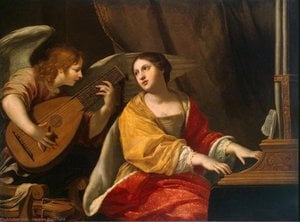
St Cecilia with Two Angels

This painting portrays St Cecilia surrounded by two angels, symbolizing musical devotion. Executed in oil on canvas around 1620, it exemplifies Gramatica's meticulous technique and reflects the intellectual fervor of the Baroque era.

Discover antiveduto grammatica: a pioneering Italian painter of the early Baroque. Explore his captivating portraits & religious scenes, showcasing unique style & historical significance.

Ručně malovaná olejová reprodukce

Ručně malovaná olejná barva na plátně ve vašem zvoleném rozměru i s rámem, vyrobená našimi umělci na zakázku. (Koupit tisk Koupit tiskKoupit obrázek Koupit obrázek)

P118B $10
P118H $10
P118W $10
P438Z $10
P508JH $12
P508YH $12
P805H $10
P805Z $10
P919BZ $10
P919G $10
P919XJ $10
P959ZH $10
P968JZ $12
W106C $8
W218G $10
W218JH $8
W218Y $10
W307PJ $10
W316G $10
W316PJ $8
W316Y $10
W398PJ $8
W4111J $10
W500HY $15
W500JH $15
W692G $12
W849H $8
W940BG $15
W953PJ $8

Standard
custom
CM
INCH

Vyberte si z našich přednastavených velikostí, které odpovídají původním proporcím díla.

šířka
výška

Můžete zadat vlastní rozměry pro konkrétní rám nebo prostor. Pokud se vámi vybraná velikost neshoduje s proporcemi původního obrazu, dílo buď ořízneme, nebo jej doplníme ručně malovanými prvky. Před zahájením výroby vám bude zaslán digitální náhled ke schválení.
Upozorňujeme, že náhled na obrazovce neodpovídá skutečnému ořezu ani rozšíření. Pouze digitální náhled přesně zobrazí finální kompozici.
Ačkoliv je možné zvolit vlastní velikost, pro zachování původních proporcí doporučujeme vybrat rozměr z předdefinovaného seznamu.

Příklady možných změn: Nahrazení obličeje vlastní fotografií; Přidání domácího mazlíčka (např. nahrazení kočky psem); Vložení skrytého vzkazu do pozadí; Změna krajiny nebo prvků v pozadí.
Po přijetí objednávky vám tým WahooArt.com zašle e-mail s pokyny a poskytne náhledovou verzi.

Celosvětová doprava () za 3–4 týdny namísto standardních 5 týdnů. (25 srpen). Bez kompromisů v kvalitě.

why_choose_icon
Zdarma celosvětová expresní doprava
why_choose_icon
Vysoce kvalitní lněné plátno
why_choose_icon
Kompletní přepravní pojištění
why_choose_icon
Záruka vrácení celního poplatku
why_choose_icon
Záruka přesného barevného shodu
why_choose_icon
60denní lhůta pro vrácení zboží (pouze při vadách výroby)
why_choose_icon
100% garance vrácení peněz
why_choose_icon
Sleva při hromadné objednávce

Celková cena

$ 272

reproduction

St Cecilia with Two Angels

Technika reprodukce

Rozměry reprodukce

-

Celková cena za výběr

$ 272

Základní informace

  • Location: Kunsthistorisches Museum, Vienna
  • Year: 1620
  • Title: St Cecilia with Two Angels
  • Subject or theme: Religious iconography
  • Artist: Antiveduto Gramatica
  • Notable elements or techniques: Copper engraving
  • Movement: Baroque

Popis díla

A Quiet Voice Amidst Baroque Splendor: Exploring Antiveduto Gramatica’s St Cecilia

Antiveduto Gramatica (1571-1626) stands as a fascinating figure in the burgeoning Italian Baroque, an artist whose output, though relatively modest compared to contemporaries like Caravaggio or Bernini, possesses a distinctive aesthetic and a profound connection to the intellectual currents of his time. Born in Siena—though precise details regarding his birthplace remain elusive—Gramatica’s early life was shaped by familial aspirations for artistic renown, foreshadowing a career dedicated to mastering the craft of painting. His apprenticeship with Giovanni Domenico Angelini in Perugia provided invaluable foundational experience, primarily focused on producing small-scale copper engravings – a technique that would inform his later stylistic choices and demonstrate an understanding of visual communication beyond mere fresco decoration. Gramatica’s artistic journey unfolded amidst a period marked by dramatic shifts in European art and culture. The Baroque era championed grandeur, emotion, and theatricality, yet Gramatica carved out a space for himself within this opulent movement by prioritizing subtlety and meticulous observation. Unlike the flamboyant displays of his peers, Gramatica favored a restrained palette and precise draughtsmanship, reflecting the humanist ideals prevalent during his lifetime—a fascination with human anatomy and psychological realism that distinguished him from many other artists of the period. His engravings served as crucial training for developing his painting skills, honing his ability to capture nuanced expressions and conveying complex narratives through visual imagery. The painting itself, “St Cecilia with Two Angels,” exemplifies Gramatica’s signature style: a portrait imbued with serene dignity and infused with Byzantine influences subtly blended into Italian realism. Executed in oil on canvas around 1620-25 and housed at the Kunsthistorisches Museum in Vienna, this artwork depicts Saint Cecilia—a revered figure venerated for her musical piety—surrounded by two angelic attendants. Gramatica skillfully rendered Cecilia’s pose with grace and composure, capturing a moment of contemplative devotion. The angel figures are depicted with ethereal beauty, their drapery flowing delicately against the backdrop of a muted tonal range. A careful examination reveals Gramatica's masterful technique. He employed glazing—a layering process where thin translucent washes of color are applied over underlying layers—to achieve luminous effects and imbue the painting with depth. This technique is particularly evident in Cecilia’s robe, which glows softly with subtle hues of gold and crimson, conveying a sense of spiritual radiance. Furthermore, Gramatica meticulously rendered anatomical details, demonstrating an understanding of human form that aligns with the scientific advancements of the Renaissance—a testament to his intellectual curiosity and artistic ambition. Beyond its technical prowess, “St Cecilia” resonates deeply with symbolic meaning. Saint Cecilia’s association with music symbolizes divine inspiration and spiritual contemplation—themes central to Christian theology. The angelic figures represent purity and grace, serving as guardians of Cecilia's sanctity. The composition itself is carefully balanced, reflecting the harmonious order characteristic of Byzantine art, which Gramatica skillfully adapted to his own artistic vision. Ultimately, “St Cecilia with Two Angels” transcends mere representation; it communicates an emotion—a profound stillness and reverence—that captivates the viewer. It invites contemplation on faith, beauty, and the transformative power of artistic expression. Like Cimabue’s “Madonna Enthroned,” Gramatica's work speaks to a timeless fascination with spiritual symbolism and visual storytelling, offering a glimpse into the quiet brilliance of an artist who dared to forge his own path amidst the exuberant splendor of the Baroque.

Biografie umělce

Antiveduto Gramatica: A Quiet Voice Amidst Baroque Splendor

Antiveduto Gramatica (1571-1626) stands as a fascinating figure in the burgeoning Italian Baroque, an artist whose output, though relatively modest compared to contemporaries like Caravaggio or Bernini, possesses a distinctive aesthetic and a profound connection to the intellectual currents of his time. Born in Siena—though precise details regarding his birthplace remain elusive—Gramatica’s early life was shaped by familial aspirations for artistic renown, foreshadowing a career dedicated to mastering the craft of painting. His apprenticeship with Giovanni Domenico Angelini in Perugia provided invaluable foundational experience, primarily focused on producing small-scale copper engravings—a technique that would inform his later stylistic choices and demonstrate an understanding of visual communication beyond mere fresco decoration.

Gramatica quickly established himself as an independent artist in Rome around 1591, capitalizing on the burgeoning artistic environment fostered by papal patronage. He gained renown for his skill in crafting portraits of prominent men, earning him the moniker “gran capadamente,” referencing his specialization in heads of figures. This mastery of portraiture allowed him to navigate the complex social hierarchies of Rome, capturing not just the likeness but the very essence of the era's elite. His association with the Accademia di San Luca proved pivotal, cementing his ties to Cardinal Francesco Maria del Monte—a figure whose influence extended far beyond artistic circles and who championed humanist ideals amidst the turbulent political landscape of Rome. Gramatica’s election as “principe” of the academy in 1624 reflected this connection and underscored the importance of scholarly pursuits alongside artistic creation.

The Artistry of Detail and Devotion

Gramatica's artistic style is characterized by a meticulous attention to detail and an understated elegance that distinguishes him from the more flamboyant expressions of Baroque art. Unlike many artists of his era who embraced dramatic chiaroscuro to create theatrical tension, Gramatica often employed a more controlled light, allowing for a clarity that highlights the textures of fabric, the warmth of skin, and the profound emotion within his subjects. This is perhaps most movingly seen in works such as Mary Magdalene at the Tomb, where he captures a poignant moment of grief and faith, utilizing rich detail to ground a sacred historical scene in a palpable, human reality.

His repertoire extended beautifully from religious iconography to secular portraiture and allegorical studies. In his depictions of musicality, such as The Theorbo Player, one can observe the rich Baroque textures and the intimate connection between the performer and their instrument. Furthermore, his ability to weave intellectual symbolism into his work is evident in pieces like La Musa Urania, where a woman with a mirror reflects the introspective and scholarly spirit of the age. Through these varied subjects, Gramatica demonstrated a versatile hand capable of both the sacred and the cerebral.

Legacy and Historical Significance

The historical significance of Antiveduto Gramatica lies in his role as a bridge between the late Renaissance traditions and the emerging Baroque sensibility. While he did not seek to overturn the established order with radical naturalism, his refined technique and ability to infuse portraiture with psychological depth contributed significantly to the Roman school's evolution. His life and work serve as a testament to the importance of the Accademia di San Luca in fostering an environment where art and intellect could coexist.

To reflect on Gramatica's contributions is to appreciate the subtle nuances of the Italian Baroque:

  • Technical Precision: His background in engraving brought a unique, fine-lined clarity to his oil paintings.
  • Intellectual Depth: His connection to humanist patrons like Cardinal Del Monte infused his work with layers of symbolic meaning.
  • Portraiture Mastery: He remains a vital figure for studying the evolution of character studies and the depiction of status in 17th-century Rome.
Though often overshadowed by the giants of his era, Gramatica’s legacy endures through the quiet power of his compositions, offering a window into a period of profound cultural transformation.

antiveduto gramatica

antiveduto gramatica

1571 - 1626 , Italy

Rychlé fakta

  • Artistic Movement Or Style: Proto-Baroque
  • Artists Or Movements Influenced By This Artist: Raphael
  • Artists Who Influenced This Artist: Giovanni domenico angelini
  • Date Of Birth: 1571 Siena Italy
  • Date Of Death: 1626
  • Full Name: antiveduto gramatica
  • Nationality: Italian
  • Notable Artworks:
    • St. Cecília and two musician angels
    • Mary Magdalene at the Tomb
    • Virgin and Child with Saint Anne
  • Place Of Birth: Siena Italy