

Získejte soubor připravený k tisku, který svou kvalitou výrazně převyšuje webový náhled. Každý prodávaný digitální obraz pochází z vysokorozlišeného originálu v naší databázi – obvykle o šířce 5 000 až 15 000 pixelů – díky čemuž můžete tisknout ve velkém formátu, provádět těsný střih nebo si s jistotou užít i ty nejjemnější detaily.
Žádný soubor neopustí naše studio bez úprav. Digitální expert kontroluje barvy v porovnání s původním malířským dílem a v případě potřeby je upravuje, poté pomocí profesionálních nástrojů pro retuš zvyšuje ostrost a detailnost — přičemž vždy zůstává věrný tahům štětcem a stylu umělce. Výsledkem je obraz, který vypadá jako malba, nikoliv jako naskenovaný snímek s filtrem.
Schvalování před dokončením: náš expert vám do 72 hodin zašle obraz e-mailem k revizi. Nejsste spokojeni? Můžete požádat o úpravy či opravy, nebo si můžete vyžádat vrácení peněz, pokud kvalita neodpovídá vašim očekáváním.
Tuto kvalitu využívají vydavatelství, designová studia, galerie i tiskárny.
Stáhněte si soubor ve vysokém rozlišení pro osobní prohlížení, tisk nebo kreativní projekty. ( Přepnout na tisk Koupit ručně malovaný obraz)
Když si vyberete WahooArt.com, nezískáváte pouze obrázek – získáváte digitální umělecké dílo s profesionálně vylepšenými detaily, zpracované s precizností a podpořené zárukou za spokojenost. Zde je vše, co vaše objednávka automaticky obsahuje:
Váš digitální obraz ve vysokém rozlišení vám bude zaslán e-mailem do 72 hodin od objednávky – připraven k okamžitému použití.
Vaše umělecké dílo je profesionálně optimalizováno pomocí pokročilých nástrojů umělé inteligence a manuální úpravy, což zajišťuje maximální úroveň detailu, ostrosti a přesnosti barev.
Soubor jste omylem smazali nebo ztratili? Žádný problém – kdykoliv vám ho znovu zašleme zcela zdarma.
Užijte si své umělecké dílo okamžitě bez celních poplatků, daní nebo nákladů na dopravu – digitální stažení je vždy bez daňových povinností.
Díky profesionálním nástrojům a správě barev zajišťujeme, aby váš digitální obraz odrážel původní barvy co nejvěrněji.
Pokud nebudete s digitálním obrázkem spokojeni, provedeme jeho revizi nebo vám vrátíme 100% platby do 100 dnů – bez jakýchkoliv dotazů.
Nespokojeni? Získejte plnou náhradu peněz do 100 dnů od obdržení digitálního souboru – bez zbytečných dotazů.
Koupě 3 obrazů ušetří 10% – Koupě 5 obrazů ušetří 15% – Koupě 10+ obrazů ušetří 20%. Ideální pro kreativní projekty, galerie a agentury.
In the quietude of 1940, Allan Randall Freelon captured a moment of profound tranquility in his evocative work, Harbor. This waterfront scene serves as more than just a depiction of maritime life; it is an invitation into a world where time seems to slow, allowing the viewer to breathe in the salt air and the gentle rhythm of the tides. The painting features two primary sailboats docked closely at a pier, their masts reaching toward the sky like silent sentinels of the sea. As the eye wanders through the composition, smaller vessels emerge from the soft background, creating a magnificent sense of depth that draws the observer deeper into the heart of the bay. This layering of boats provides a structural complexity that anchors the scene, offering a rich tapestry of maritime geometry.
The true soul of the piece, however, lies in its subtle infusion of human presence. Three figures are scattered across the canvas—one near the left periphery, one anchored toward the center, and another resting on the right. These individuals are not mere subjects but vital components of the narrative, breathing life and a sense of communal activity into the stillness of the harbor. Their placement suggests a shared, quiet experience of the landscape, transforming a simple seascape into a living, breathing social tableau. For the collector or interior designer, this presence of humanity adds an emotional warmth that makes the artwork feel inhabited and deeply relatable.
As a pioneer of Harlem Renaissance Impressionism, Allan Randall Freelon utilized light and color to evoke atmosphere rather than mere documentation. In Harbor, the technique reflects the artist's mastery over the Impressionist tradition, where brushstrokes are used to capture the shimmering reflections on the water and the soft, diffused glow of the daylight. The interplay between the solid forms of the docked boats and the fluid, light-drenched background creates a visual harmony that is both soothing and intellectually stimulating. This style allows the painting to function beautifully in various interior settings, acting as a window of light and calm within a room.
To possess a reproduction of this work is to hold a piece of African American art history. Freelon’s ability to blend the technical rigor of Impressionism with the evocative themes of his era provides a sophisticated layer of meaning for any discerning art lover. The painting does not demand attention through loud colors or jarring movements; instead, it commands respect through its balance, its historical weight, and its ability to evoke a sense of peace. It is an ideal selection for those seeking to introduce a touch of classical elegance and historical depth into a curated space, offering a timeless aesthetic that transcends the decades.
Dílo "Harbor" vytvořil/a Allan Randall Freelon v rámci stylu Impressionism. Autor/ka i toto umělecké směřování definují tradici tohoto díla.
Dílo "Harbor" patří k období Impressionism, jehož tvůrce působil v éře Modern.
Paleta díla „Harbor“ od Allan Randall Freelon je popsána jako Earthy. Jde o stručný popis barevného zpracování tohoto díla.

In the vibrant tapestry of the Harlem Renaissance, few threads are as luminous and technically refined as those woven by Allan Randall Freelon. A native of Philadelphia, born in 1895 into a family defined by academic achievement, Freelon emerged not merely as an observer of his era, but as a pioneering force who bridged the gap between classical European techniques and the burgeoning Black aesthetic of early twentieth-century America. His life was a testament to the power of artistic excellence as a tool for social progress, blending the delicate light of Impressionism with a profound dedication to education and civil rights.
Freelon’s journey through the world of art was marked by an unrelenting pursuit of mastery. His formal training was deeply rooted in the institutions of his beloved Philadelphia, including the Pennsylvania Museum and School of Industrial Art and later the Tyler School of Art at Temple University. This rigorous academic foundation allowed him to command a variety of media, from the soft, atmospheric strokes of oil on canvas to the intricate precision of printmaking. He sought mentorship from the masters of his time, studying privately with renowned printmakers such as Earl Hoster and Dox Thrash, which helped him become the first African American member of the prestigious Print Club of Philadelphia in 1921.
While many artists of the Harlem Renaissance focused on the urban rhythms of jazz and city life, Freelon often found his muse in the serene, shifting qualities of the natural world. His work is celebrated for its evocative use of light, capturing the ephemeral beauty of American landscapes with an Impressionist sensibility that felt both timeless and modern. One of his most poignant subjects was the Gloucester harbor in Massachusetts; through his eyes, the waterfront became a stage for dancing reflections and tranquil sailboats, demonstrating an ability to translate the movement of water and air into tangible emotion.
His technical prowess extended far beyond the canvas. As a skilled lithographer, Freelon possessed a unique ability to manipulate shadow and line, creating works that resonated with the same depth as his paintings. This versatility allowed him to navigate different artistic circles, from the local Philadelphia exhibitions at the Pyramid Club to broader national recognition. His art did not merely document scenery; it captured the very essence of a changing America, using the soft focus of Impressionism to invite viewers into a world of quiet contemplation and grace.
Beyond the studio, Allan Randall Freelon’s impact on the American cultural landscape was profound and structural. He was a man of immense civic responsibility, serving as a Second Lieutenant in the U.S. Army during World War I before dedicating his life to the upliftment of others through art education. His appointment as the assistant director of art education for the Philadelphia School District was a landmark achievement, marking him as the first African American to hold such a significant supervisory role within the city's educational system.
This commitment to mentorship ensured that his influence would ripple through generations. By teaching lithography at the Philadelphia Museum of Art and shaping curriculum in public schools, he helped cultivate a new era of diverse artistic voices. His life was a seamless blend of creative expression and social advocacy, proving that the brushstroke could be just as powerful as the protest. Today, we remember Freelon not only as a master of light and color but as a foundational figure whose academic rigor and trailblazing spirit helped secure a place for African American excellence in the annals of American art history.
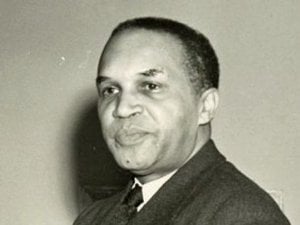
1895 - 1960 , United States of America
 Náhled v interiéru
 Sdílet
 Sdílet
 Podrobnosti o díle
 Průvodce

 Stáhnout
 Podobné položky
 Rentgenové snímky
 Slideshow
 Otázky a odpovědi
 Statistiky


 Zobrazit více


