NáhledNáhled Náhled v ARNáhled v AR Koupit ručně malovaný obraz Koupit ručně malovaný obrazPřepnout na digitální obraz Přepnout na digitální obraz SdíletSdílet
Podrobnosti o dílePodrobnosti o díle Přidat do oblíbených Přidat do oblíbených StáhnoutStáhnout Podobné položkyPodobné položky Rentgenové snímkyRentgenové snímky SlideshowSlideshow StatistikyStatistiky

Pleasant Letter

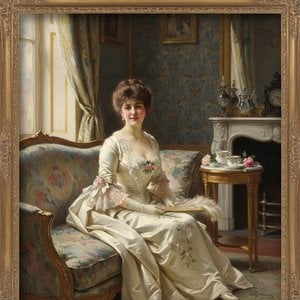
Admire 'Pleasant Letter' by Alfred Stevens – a captivating Belgian painting of Parisian life. This elegant portrait showcases Stevens’ mastery, capturing refined beauty and modern society with Dutch-inspired realism.

Objevte elegantní realismus Alfreda Stevense! Belgický malíř známý pařížským životem a portréty žen. Poznejte jeho styl inspirovaný nizozemskou malbou a jeho odkaz.

Giclée / Umělecký tisk

Giclée nebo plátěný tisk muzeální kvality s rychlou výrobou a flexibilními možnostmi povrchové úpravy. (Koupit ručně malovaný obraz Koupit ručně malovaný obrazPřepnout na digitální obraz Přepnout na digitální obraz)

P118B $10
P118H $10
P118W $10
P438Z $10
P508JH $12
P508YH $12
P805H $10
P805Z $10
P919BZ $10
P919G $10
P919XJ $10
P959ZH $10
P968JZ $12
W106C $8
W218G $10
W218JH $8
W218Y $10
W307PJ $10
W316G $10
W316PJ $8
W316Y $10
W398PJ $8
W4111J $10
W500HY $15
W500JH $15
W692G $12
W849H $8
W940BG $15
W953PJ $8

Standardní velikost
na míru
CM
INCH

Vyberte si z našich přednastavených velikostí, které odpovídají původním proporcím díla.

šířka
výška

Můžete zadat vlastní rozměry tak, aby výtvor odpovídal konkrétnímu rámu nebo prostoru. Pokud zvolená velikost nebude odpovídat poměru stran původního obrazu, dílo buď ořížeme, nebo obraz rozšíříme pomocí zrcadlového efektu či jednobarevného okraje. Před zahájením výroby vám bude zaslán digitální náhled k schválení.
Mějte prosím na paměti, že náhled na obrazovce neodráží skutečné oříznutí nebo rozšíření. Pouze digitální náhled přesně zobrazí finální kompozici.
Ačkoliv jsou k dispozici i vlastní rozměry, pro zachování původních proporcí doporučujeme vybrat si rozměr z předdefinovaného seznamu.

Celosvětové doručení () do 2 týdnů namísto standardních 4/5 týdnů. (12 září)

why_choose_icon
Zdarma celosvětová expresní doprava
why_choose_icon
Vysoce kvalitní lněné plátno
why_choose_icon
Kompletní přepravní pojištění
why_choose_icon
Záruka vrácení celního poplatku
why_choose_icon
Záruka přesného barevného shodu
why_choose_icon
100dená lhůta pro vrácení zboží (pouze při vadách)
why_choose_icon
100% garance vrácení peněz
why_choose_icon
Sleva při hromadné objednávce

Celková cena

$ 68

reproduction

Pleasant Letter

Giclée / Umělecký tisk

Rozměry reprodukce

-

Celková cena za výběr

$ 68

Základní informace

  • Artistic style: Realism, Dutch influence
  • Artist: Alfred Stevens
  • Influences: Delacroix
  • Medium: Oil on canvas
  • Location: Hermitage Museum
  • Dimensions: 491 × 599 pixels
  • Notable elements: Intimate scene

A Glimpse of Parisian Life: Alfred Stevens’ “Pleasant Letter”

Alfred Stevens' "Pleasant Letter," painted circa 1860-67, is more than just a portrait; it’s a meticulously crafted window into the refined world of late 19th-century Paris. This exquisite work, currently residing in the collection of the State Hermitage Museum, captures a fleeting moment of domestic intimacy—a woman seated at a table, engrossed in a letter, while her companion observes with quiet attentiveness. Stevens, a master of realism and a keen observer of human psychology, elevates this seemingly simple scene into a study of social grace, subtle emotion, and the delicate balance between observation and participation.

The painting’s genesis lies firmly within Stevens' signature style: a deliberate departure from grand historical or mythological subjects. Instead, he focused on capturing the nuances of modern life—the “la vie moderne”—as it unfolded in fashionable Parisian interiors. This shift was revolutionary at the time, as it prioritized the portrayal of contemporary society and its inhabitants with an unprecedented level of detail and psychological insight. Influenced by the Dutch Masters – particularly Gerard ter Borch and Gabriel Metsu – Stevens meticulously rendered textures, light, and shadow, creating a palpable sense of realism that drew viewers into the scene.

The Composition: A Dance of Observation

The composition itself is remarkably balanced and restrained. The seated woman, dressed in a fashionable gown of muted tones, dominates the foreground, her gaze directed towards the letter before her. Her posture—relaxed yet attentive—suggests both engagement and contemplation. Her companion, positioned slightly behind and to the side, offers a counterpoint – a quiet observer, perhaps reflecting on the contents of the letter or simply enjoying the shared moment. The arrangement isn’t overtly dramatic; rather, it's a subtle choreography of figures within a carefully designed space.

Stevens masterfully utilizes light and color to enhance the scene’s atmosphere. A soft, diffused light illuminates the room, casting gentle shadows that define the forms and textures of the furniture and clothing. The palette is predominantly muted – browns, creams, and grays—reflecting the understated elegance of the Parisian bourgeois lifestyle. The use of a delicate rose-colored shawl draped over the woman’s shoulders adds a touch of warmth and visual interest, subtly drawing the eye to her face.

Symbolism and Social Commentary

Beyond its aesthetic qualities, “Pleasant Letter” carries layers of symbolic meaning. The act of reading a letter represents communication, connection, and perhaps even unspoken desires. It’s a moment of private reflection within the confines of domestic life—a world carefully constructed to project an image of refinement and social standing. The painting subtly critiques the artificiality of such displays, hinting at the complexities beneath the surface of polite society.

Furthermore, Stevens' choice of subject matter – a seemingly ordinary scene of everyday life – speaks to his broader artistic vision. He sought to elevate the commonplace, revealing beauty and significance in the details of modern existence. The painting’s popularity during its time reflected a growing interest in capturing the realities of contemporary society—a trend that would profoundly influence subsequent generations of artists.

A Legacy of Elegance

Alfred Stevens' “Pleasant Letter” remains a testament to his exceptional skill and artistic vision. It is a captivating portrait not only of two women but also of an era – the Belle Époque—characterized by its elegance, social complexities, and burgeoning modernity. Reproductions of this work offer a remarkable opportunity to experience the subtle beauty and psychological depth of Stevens’s art, bringing a touch of Parisian refinement into any space.


Biografie umělce

mladost a vzdělání

Alfred Émile Léopold Stevens, tento významný belgický malíř, přišel na svět 11. května 1823 v Bruselů. Jeho rodina byla hluboce zakořeněna ve světě vizuálních umění; jeho starší bratr Joseph (1816–1892) i syn Léopold (1866–1935) byli sami malíři, zatímco další bratr Arthur (1825–99) působil jako artový dealer a kritik.

umělecká kariéra

Stevens zahájil svou uměleckou cestu na Académie Royale des Beaux-Arts v Bruselů, kde studoval pod vedením François Navez, významného neklasického malíře. V roce 1843 se přestěhoval do Paříže, aby se připojil ke svému bratrovi Josephovi, a byl přijat do prestižní École des Beaux-Arts. Ačkoliv se stále debatuje o tom, zda byl jeho učitelem sám Jean Auguste Dominique Ingres, Stevensovo rané dílo, jako například Le Pardon nebo Odpuštění (Hermitage, St. Petrohrad), s datem 1849, již prokazuje jeho mistrovství v konvenčním naturalistickém stylu, silně ovlivněném nizozemskou žánrovou malbou 17. století.

cesta k slávě

Stevensovo dílo bylo poprvé veřejně vystaveno v roce 1851 na brutalském salonu v Bruselů, což mu později přineslo medaili třetí třídy na pařížském salonu v roce 1853 a medaili druhé třídy na Univerzální expozici v Paříži v roce 1855. Jeho obraz Ce qu'on appelle le vagabondage (Musée d'Orsay, Paříž) dokonce upútal pozornost samotného Napoleon III, což následně vedlo k významným změnám v sociálním přístupu k chudobě.

významná díla a odkaz

Prohlédněte si další díla Alfreda Stevensa na WahooArt.com: Objevte další poklady na WahooArt.com:
Alfred Stevens

Alfred Stevens

1823 - 1906

Rychlé fakta

  • Artistic Movement Or Style: Akademický realism
  • Artists Who Influenced This Artist:
    • Jean Auguste Dominique Ingres
    • Holandští mistři
  • Date Of Birth: 11. května 1823
  • Date Of Death: 1906
  • Full Name: Alfred Émile Léopold Stevens
  • Nationality: Belgický
  • Notable Artworks:
    • La Dame en Rose
    • Visit to the Studio
    • Dessin préparatoire au 'Panorama du siècle', 'L'Impératrice Joséphine et sa Cour
  • Place Of Birth: Brusel, Belgie