NáhledNáhled Náhled v ARNáhled v AR Přepnout na tisk Přepnout na tiskPřepnout na digitální obraz Přepnout na digitální obraz SdíletSdílet
Podrobnosti o dílePodrobnosti o díle Přidat do oblíbených Přidat do oblíbených StáhnoutStáhnout Podobné položkyPodobné položky Rentgenové snímkyRentgenové snímky SlideshowSlideshow StatistikyStatistiky

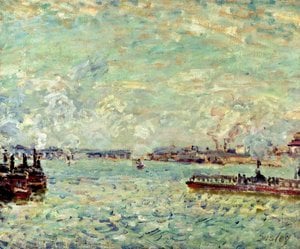
The River at Saint Cloud

Experience tranquility with Alfred Sisley's 'The River at Saint Cloud.' This Impressionist landscape captures the Seine’s beauty & Parisian charm. A timeless masterpiece!

Alfred Sisley (1839-1899): Francouzský impresionista s klidnými krajinami, zachycující mihotavé světlo řek a francouzské venkov s jemnou krásou.

Ručně malovaná olejová reprodukce

Ručně malovaná olejná barva na plátně ve vašem zvoleném rozměru i s rámem, vyrobená našimi umělci na zakázku. (Přepnout na tisk Přepnout na tiskPřepnout na digitální obraz Přepnout na digitální obraz)

Standardní velikost
na míru
CM
INCH

Vyberte si z našich přednastavených velikostí, které odpovídají původním proporcím díla.

šířka
výška

Můžete zadat vlastní rozměry pro konkrétní rám nebo prostor. Pokud se vámi vybraná velikost neshoduje s proporcemi původního obrazu, dílo buď ořízneme, nebo jej doplníme ručně malovanými prvky. Před zahájením výroby vám bude zaslán digitální náhled ke schválení.
Upozorňujeme, že náhled na obrazovce neodpovídá skutečnému ořezu ani rozšíření. Pouze digitální náhled přesně zobrazí finální kompozici.
Ačkoliv je možné zvolit vlastní velikost, pro zachování původních proporcí doporučujeme vybrat rozměr z předdefinovaného seznamu.

Příklady možných změn: Nahrazení obličeje vlastní fotografií; Přidání domácího mazlíčka (např. nahrazení kočky psem); Vložení skrytého vzkazu do pozadí; Změna krajiny nebo prvků v pozadí.
Po přijetí objednávky vám tým WahooArt.com zašle e-mail s pokyny a poskytne náhledovou verzi.

Celosvětová doprava () za 3–4 týdny namísto standardních 5 týdnů. (14 září). Bez kompromisů v kvalitě.

why_choose_icon
Zdarma celosvětová expresní doprava
why_choose_icon
Vysoce kvalitní lněné plátno
why_choose_icon
Kompletní přepravní pojištění
why_choose_icon
Záruka vrácení celního poplatku
why_choose_icon
Záruka přesného barevného shodu
why_choose_icon
100dená lhůta pro vrácení zboží (pouze při vadách)
why_choose_icon
100% garance vrácení peněz
why_choose_icon
Sleva při hromadné objednávce

Celková cena

$ 272

reproduction

The River at Saint Cloud

Technika reprodukce

Rozměry reprodukce

-

Celková cena za výběr

$ 272

Základní informace

  • Medium: Oil on canvas
  • Title: The River at Saint Cloud
  • Artistic style: Impressionistic
  • Subject or theme: River landscape with cityscape
  • Movement: Impressionism
  • Influences: Claude Monet

Kvíz o umění

U každé otázky je pouze jedna správná odpověď.

Otázka 1:
What artistic movement is "The River at Saint Cloud" most closely associated with?
Otázka 2:
Which of the following best describes the brushstroke technique used in this painting?
Otázka 3:
Alfred Sisley was known for primarily depicting what subject matter?
Otázka 4:
What is the most prominent feature in the skyline depicted in "The River at Saint Cloud"?

A Tranquil Reflection: Alfred Sisley's "The River at Saint Cloud"

Alfred Sisley’s “The River at Saint Cloud” offers a serene glimpse into the idyllic landscapes surrounding Paris in the late 19th century. This captivating artwork, rendered in the quintessential Impressionistic style, transports viewers to the banks of the Seine, where urban life gently intertwines with the natural world. The painting captures a fleeting moment – a hazy afternoon where light dances on the water and soft clouds drift across the sky, evoking a sense of tranquility and quiet contemplation.

Impressionistic Technique and Artistic Vision

  • En Plein Air: Sisley was a devoted practitioner of en plein air painting – working directly from nature. This commitment is evident in the immediacy and freshness of his brushstrokes, capturing the ephemeral qualities of light and atmosphere with remarkable accuracy.
  • Broken Brushwork: The artwork’s visual texture arises from Sisley's characteristic use of short, broken strokes of paint. These aren't blended smoothly; instead, they remain distinct, allowing the viewer's eye to mix the colors optically – a hallmark of Impressionism. This technique creates a vibrant and dynamic surface that mimics the shimmering effect of light on water.
  • Color Palette: The muted palette of greens, blues, browns, and soft greys reflects Sisley’s keen observation of natural tones. He skillfully uses subtle variations in color to suggest depth and distance, creating an atmospheric perspective where distant elements appear paler and less defined.

A Glimpse into Parisian Life and Landscape

  • Saint-Cloud Setting: Saint-Cloud, a suburb of Paris, was a popular destination for leisurely outings during the 19th century. Sisley frequently depicted this area, drawn to its picturesque landscapes and proximity to the Seine. The presence of a church spire in the background hints at the historical significance of the location and integrates urban elements into the natural scene.
  • The Bridge as Focal Point: The prominent bridge spanning the river serves as a compositional anchor, drawing the viewer's eye deeper into the painting. It symbolizes connection – linking the city to the countryside and inviting exploration of the landscape beyond.
  • Historical Context: Painted during a period of rapid industrialization and urbanization in France, Sisley’s work offers a nostalgic view of a more tranquil past. His landscapes served as an escape from the bustling city, celebrating the beauty and restorative power of nature.

Emotional Resonance and Lasting Appeal

“The River at Saint Cloud” is not merely a depiction of a landscape; it's an evocation of feeling. The painting’s gentle colors, diffused light, and loose brushwork combine to create a sense of peace and serenity. It invites viewers to pause, breathe deeply, and appreciate the simple beauty of the natural world. Sisley’s masterful ability to capture fleeting moments and sensory experiences ensures that this artwork continues to resonate with audiences today, offering a timeless reflection on the harmony between humanity and nature.


Biografie umělce

A Life Immersed in Light and Landscape

Alfred Sisley, a name often whispered alongside those of Monet, Renoir, and Pissarro, occupies a unique and profoundly beautiful space within the Impressionist movement. Born in Paris on October 30, 1839, to British parents—William Sisley, a silk merchant, and Felicia Sell, a music enthusiast—he carried a dual heritage that subtly informed his artistic vision. Though he would spend nearly his entire life in France, Sisley retained British citizenship, a fact that brought him personal disappointment later in life when applying for French naturalization was refused. His early years were comfortably bourgeois, affording him the opportunity to pursue studies initially intended for a commercial career in London at the age of eighteen. However, the allure of art proved too strong, and he returned to Paris in 1861, embarking on formal training under Swiss artist Marc-Charles-Gabriel Gleyre at the École des Beaux-Arts. It was here, amidst the burgeoning artistic ferment of the era, that Sisley forged crucial friendships with Monet, Renoir, and Bazille—relationships that would profoundly shape his artistic trajectory. These companions shared a rebellious spirit, rejecting the rigid conventions of academic painting in favor of capturing the fleeting effects of light and atmosphere directly from nature.

The Quiet Master of Impressionism

Sisley’s dedication to *plein air* painting—working outdoors, directly observing the natural world—was unwavering. Unlike some of his contemporaries who experimented with diverse genres, Sisley remained steadfastly committed to landscape throughout his career. This focused devotion allowed him to refine a distinctive style characterized by tranquility, delicate color palettes, and a subtle rendering of light. His canvases are often awash in pale shades of green, pink, purple, dusty blue, and cream, creating an atmosphere of serene contemplation. While the early works remain largely lost to time, his mature paintings reveal a meticulous observation of nature combined with a poetic sensibility. He wasn’t interested in grand narratives or dramatic gestures; instead, he found beauty in the everyday—in the gentle flow of rivers, the dappled light filtering through trees, and the quiet charm of rural life. His early struggles for recognition were compounded by his father's financial difficulties following the Franco-Prussian War in 1870, forcing Sisley to rely solely on the sale of his art for sustenance—a precarious existence that shadowed much of his career. He was a true Impressionist, but one who often labored in relative obscurity during his lifetime.

Rivers, Canals, and the Essence of Place

Recurring themes permeate Sisley’s oeuvre, most notably his fascination with water. River landscapes became a signature subject, exemplified by his series of paintings created during a trip to England in 1874 along the Thames near Molesey. These works, capturing the tranquil beauty of the river and its surroundings, are considered among his finest achievements—a “perfect moment of Impressionism,” as art historian Kenneth Clark described them. He also developed a deep connection with Moret-sur-Loing, where he lived for many years, immortalizing its canals, bridges, and surrounding countryside in numerous canvases. Paintings like "Watermill near Moret," "Barges on the Loing Canal, Spring", and “Fields around the Forest” showcase his ability to imbue ordinary scenes with a sense of poetic grace. He didn’t merely depict these places; he captured their *essence*, conveying not just what they looked like but how they felt—the gentle breeze, the warmth of the sun, the quiet murmur of the water. This sensitivity to atmosphere and mood is perhaps Sisley's most enduring legacy.

Influences and a Lasting Legacy

Sisley’s artistic influences were multifaceted. Gleyre’s academic training provided a foundation in technique, while the camaraderie with Monet, Renoir, and Bazille fostered a shared commitment to Impressionist principles. He absorbed their emphasis on capturing fleeting moments of light and atmosphere but developed his own unique voice—one characterized by restraint and subtlety. Though he often labored in relative obscurity during his lifetime, Sisley’s work is now celebrated for its beauty, sensitivity, and unwavering dedication to portraying nature. His influence can be seen in the works of later landscape painters who sought to capture the ephemeral qualities of light and atmosphere with similar nuance. He was, and remains, a master of light, atmosphere, and the quiet poetry of the natural world.
  • Major Themes: Landscapes, riverscapes, canals, rural life, atmospheric effects.
  • Key Characteristics: Delicate color palettes, subtle rendering of light, tranquil mood, *plein air* painting.
  • Influences: Marc-Charles-Gabriel Gleyre, Claude Monet, Pierre-Auguste Renoir, Frédéric Bazille, Barbizon school painters.

Historical Significance

Sisley’s historical significance extends beyond his technical skill and aesthetic sensibility. His unwavering commitment to *plein air* painting, even in the face of financial hardship and critical indifference, paved the way for future generations of artists who sought to break free from academic conventions and embrace a more direct engagement with nature. His paintings offer a glimpse into a rapidly changing world—a world on the cusp of modernity—and remind us of the enduring power of art to capture the beauty and tranquility that can be found even in the most humble of landscapes. He was, and remains, a master of light, atmosphere, and the quiet poetry of the natural world.

Alfred Sisley

Alfred Sisley

1839 - 1899 , Francie

Rychlé fakta

  • Artistic Movement Or Style: Impresionismus
  • Artists Or Movements Influenced By This Artist: ['Barbizon']
  • Artists Who Influenced This Artist:
    • Gleyre
    • Monet
    • Bazille
  • Date Of Birth: 1839-10-30
  • Date Of Death: 1899-01-29
  • Full Name: Alfred Sisley
  • Nationality: Francouzsko-Anglický
  • Notable Artworks:
    • Vodní mlýn u Moretu
    • Člunky na kanálu Loing
  • Place Of Birth: Paříž, Francie
Prozkoumejte umělecká díla uspořádaná podle témat, stylů a charakteristik.