Pionýr orientalistických vizí: Život a umění Alexandre Gabriela Decampsa
Alexandre Gabriel Decamps, jméno rezonující živými odstíny exotických krajin a dramatickým nádechem romantismu, se vyvinul jako klíčová postava francouzského malířství 19. století. Narodil se v Paříži 3. března 1803 a jeho umělecká cesta byla příběhem odvážných inovací, které zpochybňovaly akademické konvence a vytyčovaly cestu k tomu, co se později stalo známé jako orientalismus. Ačkoliv i jeho contemporary, jako byli Delacroix či Ingres, si v rámci francouzského uměleckého světa drželi významné pozice, Decamps se odlišil díky intenzivně osobnímu stylu – směsi precizní pozorování, dramatické kompozice a podmanivé narativní kvality, která diváky vtahovala do světů, jež byly zároveň známé i zcela cizí. Jeho brzké uznání jako talentovaného umělce předznamenalo kariéru poznačenou kritickým uznáním, které vyvrcholilo ziskem velké nebo rady medaile na Pařížské výstavě roku 1855, což byl důkaz jeho výjimečných dovedností a jedinečné vize. Kromě plátna byl Decamps mužem hluboce spojeným s přírodou; nacházel klid a inspiraci v krajině obklopující Paříž, kde se věnoval své vášni pro zvířata a venkovní sporty – k němuž se tato náklonnost jemně promítala do velké části jeho umělecké tvorby.
Od Písma k Sahare: Evoluce uměleckého stylu
Decampsův umělecký vývoj byl charakterizován ochotou zkoumat rozmanitá témata a techniky. Počátečně přitahovány historickými a biblickými scénami, rychle se odlišil tím, že tyto příběhy vykresloval s nevídanou úrovní realismu – zasazoval je do autentických místních prostředí namísto spoléhání se na idealizované nebo konvenční reprezentace. Toto odhodlání k věrnosti pramělo z jeho cest na východ, což byly zážitky, které hluboce ovlivnily jeho uměleckou citlivost. Nepředstavoval pouze to, co viděl; dokázal předat pocit z atmosféry, světla a samotné podstaty těchto vzdálených zemí.
Josef prodaný svými bratry, například, není pouhou ilustrací biblického příběhu, ale živým vyobrazením konkrétního času a místa, protkaným emocionální hloubkou a psychologickým vhledem. Tento přístup se rozšířil i do jeho větších historických děl, jako je
Porážka Cimbrů, kde mistrovsky zachytil chaos a brutalitu bitvy a prokázal svou schopnost pracovat s velkolepými kompozicemi s dynamickou energií. Přesto právě jeho zobrazení orientálního života jej skutečně odlišilo. Odhaloval každodenní scény – trhy, školy, domácí interiéry – s věrností, která zpočátku málem zmátla kritiky zvyklé na více romantizované nebo stereotypní představace.
Otec orientalismu a jeho trvalý vliv
Decamps je právem považován za zakladatele orientalismu ve francouzší malířské tradici. Před ním byly zobrazení Orientu často filtrovány optikou fantazie a exotismu. On však představil jinou vizi – kořenící v přímém pozorování a upřímné zvídavosti. Jeho výstava na Salonu v roce 1831 znamenala zlomový bod, který představil pařížskému publiku neupravený pohled na život v severní Africe a na Blízkém východě. Tento průlomový přístup rezonoval jak u umělců, tak u spisovatelů a inspiroval vlnu orientalistických děl, která dominovala velké části umění 19. století. Jeho styl – charakterizovaný odvážnými tahy štětcem, výrazným kontrastem světla a stínu a hmatatelným pocitem atmosféry – se stal referenčním bodem pro generace malířů, fotografů i autorů.
Maxime du Camp ho slavně přezdval „Křišťán Columbus Orientu“, čímž uznal jeho průkopnickou roli při otevírání tohoto nového uměleckého území. Dílo
Albánská tanečnice, se svými živými barvami a energickou kompozicí, je příkladem jeho schopnosti zachytit ducha kultury při zachování jasně francouzské estetické citlivosti. Dokonce i satirická díla, jako je
Opravující opičí znalci, což je hravá špína směřovaná vůči konzervativní porotě Académie des Beaux-Arts, demonstrují jeho ochotu vzdorovat zavedené normy a přijmout nezávislejší uměleckou vizi.
Tragický konec a nesmrtelný odkaz
Tragicky byl Decampsův život 22. srpna 1860 ukončen ve věku 57 let po lovné nehodě poblíž Fontainebleau. Jeho předčasná smrt připravila svět umění o skutečně inovativní talent, ale jeho odkaz však žije dál prostřednictvím jeho podmanivých obrazů a jejich nesmrtelné appealace. Dnes jsou mistrovská díla jako
Požár v italské vesnici, s jejich dramatickým zobrazením konfliktu a mistrovským použitím impasta, spolu s dílem
Bedlín a velbloud odpočívající v poušti, které ukazuje textury a klid poušního života, oslavována pro svou uměleckou hodnotu a historický význam. Jeho díla lze nalézt v prestižních institucích, jako je Musée du Louvre v Paříži, což zajišťuje, že jeho vize bude nadále inspirovat a fascinovat publikum po celém světě. Platformy jako WahooArt.com hrají zásadní roli v zachování a šíření jeho umění, nabízejí vysoce kvalitní reprodukce, které umožňují obdivovatelům zažít krásu a sílu Decampsových malířských děl na vlastní oči. Jeho vliv sahá daleko za hranice malířství; formoval vnímání Orientu a zanechal nezmazatelnou stopu v kulturní krajině 19. století Evropy.
Objevování Decampsova světa: Významná díla
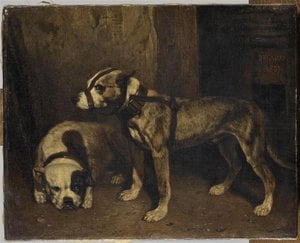
- CHIENS BRIFAUTS: Okouzlující orientalistická scéna představující psy v živém prostředí.
- LA COUR DE FERME: Úchvatný malířský obraz 19. století, který spojuje francouzský romantismus s historickým detailem.
- L’ÉCOLE TURQUE: Živý popis turecké školy, zachycující energii a atmosféru každodenního života.
- PAYSAGE TURC: Klidná krajina zkoumající realismus a romantismus v evropském kontextu.



 Náhled
 Přepnout na tisk
 Sdílet
 Sdílet
 Podrobnosti o díle

 Stáhnout
 Podobné položky
 Rentgenové snímky
 Slideshow
 Statistiky


 Zobrazit více






































 Skleněná varianta je dostupná pouze u rozměrů menších než 110 cm