Ručně malovaná olejná barva na plátně ve vašem zvoleném rozměru i s rámem, vyrobená našimi umělci na zakázku. ( Koupit tisk Koupit obrázek)





























Vyberte si z našich přednastavených velikostí, které odpovídají původním proporcím díla.

Můžete zadat vlastní rozměry pro konkrétní rám nebo prostor. Pokud se vámi vybraná velikost neshoduje s proporcemi původního obrazu, dílo buď ořízneme, nebo jej doplníme ručně malovanými prvky. Před zahájením výroby vám bude zaslán digitální náhled ke schválení.
Upozorňujeme, že náhled na obrazovce neodpovídá skutečnému ořezu ani rozšíření. Pouze digitální náhled přesně zobrazí finální kompozici.
Ačkoliv je možné zvolit vlastní velikost, pro zachování původních proporcí doporučujeme vybrat rozměr z předdefinovaného seznamu.
Celosvětová doprava () za 3–4 týdny namísto standardních 5 týdnů. (6 září). Bez kompromisů v kvalitě.


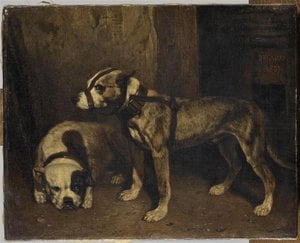
Chenil. Valet de chiens
Rozměry reprodukce
Alexandre Gabriel Decamps' "Chenil. Valet de chiens" (1850s) offers a captivating glimpse into the quiet rhythms of 19th-century rural France, rendered with a remarkable sensitivity to light, texture, and the unspoken bonds between man and animal. This evocative painting isn’t merely a depiction of a dog handler tending his charges; it's a carefully constructed tableau brimming with symbolic resonance and a palpable sense of timelessness. Decamps, a pivotal figure in the burgeoning field of Orientalism, used this work to explore themes of labor, companionship, and the profound connection between humanity and the natural world – elements that resonated deeply within his artistic vision.
Decamps’ style is immediately recognizable as a masterful blend of Realism and Romanticism. He eschewed the rigid academic conventions of his time, favoring instead a looser, more painterly approach. Notice how he captures the roughness of the weathered stone structure – short, broken lines suggest its age and solidity while simultaneously conveying a sense of organic growth. The composition itself is deliberately asymmetrical, drawing the eye through the scene with a subtle yet effective balance. A simple bucket and hanging cloth on one side create visual interest, preventing the image from feeling static or overly formal. Decamps’ use of color is equally deliberate; the dominant earthy tones – browns, tans, greys, and muted greens – evoke a sense of groundedness and connection to the land.
Decamps' technical skill shines through in his masterful manipulation of texture. The rough surface of the stone walls is rendered with an almost tactile quality, inviting the viewer to reach out and feel its weathered grain. Similarly, the fur of the dogs – a mix of whites, greys, and subtle blues – appears incredibly realistic, each strand seemingly imbued with individual character. This attention to detail extends to the way he captures the diffused light filtering through the doorway, creating soft shadows that add depth and dimension to the scene. The lighting isn’t dramatic or theatrical; instead, it feels natural and honest, suggesting an overcast day or indirect sunlight – a subtle yet powerful choice that reinforces the painting's overall mood of quiet contemplation.
"Chenil" is more than just a portrait of a dog handler; it’s a meditation on the dignity of labor and the enduring power of companionship. The “chenil,” or dog handler, represents a figure deeply connected to the land and his animals – a symbol of rural resilience and self-sufficiency. The dogs themselves are not merely accessories to the scene; they are integral participants in this quiet drama, their attentive gazes suggesting a deep bond with their master. Decamps subtly imbues the painting with a sense of understated emotion—a feeling of mutual respect, loyalty, and shared experience that transcends words.
To understand “Chenil,” it’s crucial to consider Decamps' place within the broader context of 19th-century French art. He was a pioneer in depicting everyday life, particularly scenes from rural and working-class communities – a departure from the prevailing focus on grand historical narratives or idealized portraits. His work reflects a growing interest in documenting the realities of ordinary people, capturing their struggles, joys, and connections to nature. Decamps’ exploration of Orientalism, though evident in his broader oeuvre, is subtly present here, informing his approach to portraying foreign landscapes and customs with an observant eye and a nuanced understanding of cultural differences. This painting stands as a testament to Decamps' ability to transform the mundane into something profoundly beautiful and meaningful.


1803 - 1860 , Francie

Prozkoumejte 25 ikonických děl Francisca Goyi – od romantických portrétů po temné tiskoviny. Objevte příběhy, techniky a umělecký význam španělského mistra na WahooArt.cz. Reprodukce obrazů pro váš interiér.

Objevte náš příběh! Přinášíme umění světové úrovně do vašeho života prostřednictvím odborného výběru, zakázkové tvorby a bezplatných náhledů. Osvědčeno jednotlivcům i firmám od roku 2000.

Explore 10 defining masterpieces of Romantic Realism! Discover Courbet, Millet & Daumier's powerful paintings—capturing emotion and social realities. Find museum-quality reproductions for your home at WahooArt.com.

Discover the captivating world of Georges de La Tour, a Baroque master renowned for his dramatic chiaroscuro & spiritual realism. Explore key works, influences, and his remarkable rediscovery. Learn more at WahooArt.
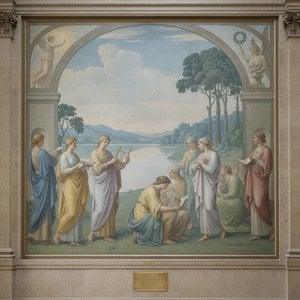
Explore the life & work of Pierre Puvis de Chavannes, a pivotal Symbolist painter renowned for his monumental murals. Discover his aesthetic principles, key artworks like 'Hope,' and lasting influence on modern art. A deep dive into 19th-century French painting.

 Náhled
 Sdílet
 Sdílet
 Podrobnosti o díle

 Stáhnout
 Podobné položky
 Rentgenové snímky
 Slideshow

 Zobrazit více







 Skleněná varianta je dostupná pouze u rozměrů menších než 110 cm