


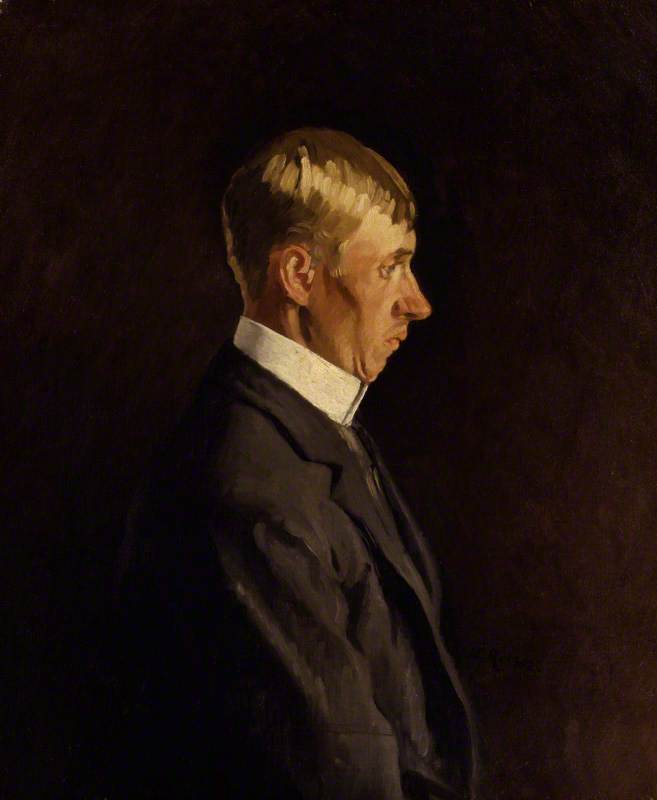
 1902
1902 43.0 x 35.0 cm
Ručně malovaná olejná barva na plátně ve vašem zvoleném rozměru i s rámem, vyrobená našimi umělci na zakázku. ( Koupit tisk Koupit obrázek)
Vyberte si z našich přednastavených velikostí, které odpovídají původním proporcím díla.

Můžete zadat vlastní rozměry pro konkrétní rám nebo prostor. Pokud se vámi vybraná velikost neshoduje s proporcemi původního obrazu, dílo buď ořízneme, nebo jej doplníme ručně malovanými prvky. Před zahájením výroby vám bude zaslán digitální náhled ke schválení.
Upozorňujeme, že náhled na obrazovce neodpovídá skutečnému ořezu ani rozšíření. Pouze digitální náhled přesně zobrazí finální kompozici.
Ačkoliv je možné zvolit vlastní velikost, pro zachování původních proporcí doporučujeme vybrat rozměr z předdefinovaného seznamu.
Celosvětová doprava () za 3–4 týdny namísto standardních 5 týdnů. (7 září). Bez kompromisů v kvalitě.


Spencer Frederick Gore
Rozměry reprodukce

In the vibrant tapestry of early twentieth-century British art, few figures possessed the multifaceted brilliance of Albert Rutherston. Born in 1881 to a German Jewish family in Bradford, Yorkshire, Rutherston’s life was shaped by a profound intersection of tradition and transformation. The son of immigrants who settled in England's textile heartland, his upbringing was steeped in the industrious spirit of the wool trade, yet his soul was irrevocably drawn toward the ethereal realms of aesthetics and design. Alongside his brothers—the esteemed painter Sir William Rothenstein and the art collector Charles Rutherston—Albert became part of a formidable artistic dynasty that would influence the British cultural landscape for decades.
His formal education at the Slade School of Art provided him with a rigorous foundation in realism, a period during which he mastered the delicate nuances of form and light. However, the rigid boundaries of representational art could not long contain his creative impulses. Around 1910, Ruther and his artistic contemporaries began to feel the pull of a new, more rhythmic aesthetic. This marked a pivotal transition in his career as he moved away from the literal toward the decorative. Embracing the burgeoning Art Deco movement, Rutherston began to experiment with bold color palettes, intricate patterns, and a streamlined elegance that would become his hallmark.
Rutherston’s genius lay in his ability to transcend the canvas, treating every medium as an opportunity for storytelling. He was not merely a painter but a true designer of worlds. His work in theatrical design remains some of his most enduring legacy; through his collaborations with the legendary Harley Granville Barker, he breathed life into the stage with opulent sets that captured the dramatic grandeur of the era. He understood that the theater was a total work of art, where scenery, light, and movement converged to create a singular emotional experience.
This mastery of space and ornament extended far beyond the footlights. Rutherston’s versatility allowed him to leave an indelible mark on various facets of visual culture:
As the decades progressed, Rutherston’s influence deepened through his roles as an educator and critic. Holding the prestigious post of Ruskin Master of Drawing at Oxford from 1929 to 1948, he played a vital role in shaping the next generation of British artists, instilling in them the same respect for craftsmanship and observation that had guided his own journey. His ability to navigate the shift from the Victorian era into the modern age allowed him to act as a bridge between the old world of meticulous detail and the new world of graphic abstraction.
Though he passed away in 1953, Rutherston’s significance remains etched in the history of the decorative arts. He was an artist who refused to be confined by a single discipline, finding beauty whether in the sweeping landscapes of a painting, the structured lines of a poster, or the dramatic shadows of a stage set. His life stands as a testament to the power of artistic evolution—a journey from the grounded reality of Bradford to the limitless possibilities of the imagination.

1881 - 1953

 Náhled
 Sdílet
 Sdílet
 Podrobnosti o díle

 Stáhnout
 Podobné položky
 Rentgenové snímky
 Slideshow
 Zobrazit více




































 Skleněná varianta je dostupná pouze u rozměrů menších než 110 cm


