Náhled v interiéru Náhled v AR Koupit ručně malovaný obraz Přepnout na digitální obraz Sdílet
Podrobnosti o díle Průvodce Přidat do oblíbených Stáhnout Podobné položky Rentgenové snímky Slideshow Statistiky

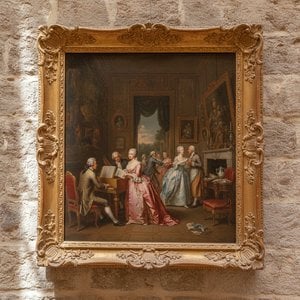
In a Tavern

The meta description is optimized for search engines and aims to entice viewers to learn more about the artwork.

Adriaen van Ostade byl nizozemský malíř žánrových obrazů z 17. století, známý svými realistickými výstřižky z života venkovanů a hospod. Jeho díla zobrazují tavernní scény, vesnické životy a působivou atmosféru doby Velké zlaté éry.

Giclée / Umělecký tisk

Giclée nebo plátěný tisk muzeální kvality s rychlou výrobou a širokou nabídkou povrchových úprav. ( Koupit ručně malovaný obraz Přepnout na digitální obraz)

Corner sample of the P118B picture frame: tvarovaný polystyren, 5 cm wide and 3 cm thick
P118B Kč10
Corner sample of the P118H picture frame: tvarovaný polystyren, 5 cm wide and 3 cm thick
P118H Kč10
Corner sample of the P118W picture frame: tvarovaný polystyren, 5 cm wide and 3 cm thick
P118W Kč10
Corner sample of the P438Z picture frame: tvarovaný polystyren, 5.5 cm wide and 3.5 cm thick
P438Z Kč10
Corner sample of the P508JH picture frame: tvarovaný polystyren, 7 cm wide and 3.5 cm thick
P508JH Kč12
Corner sample of the P508YH picture frame: tvarovaný polystyren, 7 cm wide and 3.5 cm thick
P508YH Kč12
Corner sample of the P805H picture frame: tvarovaný polystyren, 5 cm wide and 3.5 cm thick
P805H Kč10
Corner sample of the P805Z picture frame: tvarovaný polystyren, 5 cm wide and 3.5 cm thick
P805Z Kč10
Corner sample of the P919BZ picture frame: tvarovaný polystyren, 7 cm wide and 3.5 cm thick
P919BZ Kč10
Corner sample of the P919G picture frame: tvarovaný polystyren, 7 cm wide and 3.5 cm thick
P919G Kč10
Corner sample of the P919XJ picture frame: tvarovaný polystyren, 7 cm wide and 3.5 cm thick
P919XJ Kč10
Corner sample of the P959ZH picture frame: tvarovaný polystyren, 5 cm wide and 3 cm thick
P959ZH Kč10
Corner sample of the P968JZ picture frame: tvarovaný polystyren, 6 cm wide and 4 cm thick
P968JZ Kč12
Corner sample of the W106C picture frame: masivní dřevo, 5 cm wide and 3 cm thick
W106C Kč8
Corner sample of the W218G picture frame: masivní dřevo, 5 cm wide and 3 cm thick
W218G Kč10
Corner sample of the W218JH picture frame: masivní dřevo, 5 cm wide and 3 cm thick
W218JH Kč8
Corner sample of the W218Y picture frame: masivní dřevo, 5 cm wide and 3 cm thick
W218Y Kč10
Corner sample of the W307PJ picture frame: masivní dřevo, 6 cm wide and 3 cm thick
W307PJ Kč10
Corner sample of the W316G picture frame: masivní dřevo, 6 cm wide and 3 cm thick
W316G Kč10
Corner sample of the W316PJ picture frame: masivní dřevo, 6 cm wide and 3 cm thick
W316PJ Kč8
Corner sample of the W316Y picture frame: masivní dřevo, 6 cm wide and 3 cm thick
W316Y Kč10
Corner sample of the W398PJ picture frame: masivní dřevo, 5 cm wide and 3 cm thick
W398PJ Kč8
Corner sample of the W4111J picture frame: masivní dřevo, 6.5 cm wide and 3.5 cm thick
W4111J Kč10
Corner sample of the W500HY picture frame: masivní dřevo, 7 cm wide and 5 cm thick
W500HY Kč15
Corner sample of the W500JH picture frame: masivní dřevo, 7 cm wide and 5 cm thick
W500JH Kč15
Corner sample of the W692G picture frame: masivní dřevo, 8 cm wide and 4 cm thick
W692G Kč12
Corner sample of the W849H picture frame: masivní dřevo, 5 cm wide and 3 cm thick
W849H Kč8
Corner sample of the W940BG picture frame: masivní dřevo, 7.5 cm wide and 4.5 cm thick
W940BG Kč15
Corner sample of the W953PJ picture frame: masivní dřevo, 6 cm wide and 3.5 cm thick
W953PJ Kč8

Standardní velikost
na zakázku
CM
INCH

Vyberte si z našich přednastavených velikostí, které odpovídají původním proporcím díla.

šířka
výška

Zadejte šířku a výšku, které potřebujete pro váš rám nebo stěnu. Tisk lze pouze oříznout, nikdy však nelze zvětšit obraz nad jeho původní rozměr, proto při výběru jiného formátu dochází ke ztrátě části obrazu. Před samotným tiskem vám zašleme digitální náhled k schválení. Obraz zobrazený na této stránce nenabízí skutečný výřez — ten uvidíte pouze v náhledu.

Celosvětové doručení () do 2 týdnů namísto standardních 4/5 týdnů. (26 říjen)

Zdarma celosvětová expresní doprava
Vysoce kvalitní lněné plátno
Kompletní pojištění přepravy
Záruka vrácení celního poplatku
Záruka věrného barevného souladu
100dení lhůta pro vrácení zboží (pouze při vadách výroby)
100% záruka vrácení peněz
Sleva při více objednávkách

Celková cena

Kč 1456

In a Tavern

Giclée / Umělecký tisk

Rozměry reprodukce

-

Celková cena za vybrané možnosti reprodukcí

Kč 1456

Rychlé informace

  • Artistic style: Baroque
  • Title: In a Tavern
  • Subject: Tavern interior
  • Notable elements: Lively scene, dogs
  • Dimensions: 41 x 35 cm

Artový kvíz

U každé otázky je pouze jedna správná odpověď.

Otázka 1:
What is the primary style of Adriaen van Ostade’s ‘In a Tavern’?
Otázka 2:
Approximately when was ‘In a Tavern’ painted?
Otázka 3:
The painting depicts a scene primarily featuring which social group?
Otázka 4:
What is prominently visible near the bottom left corner of the painting?
Otázka 5:
Based on the description, what is the overall atmosphere captured in ‘In a Tavern’?

A Window into Dutch Life: Adriaen van Ostade’s “In a Tavern”

Adriaen van Ostade's "In a Tavern," painted in 1671, isn’t merely a depiction of a drinking establishment; it’s a remarkably astute and poignant observation of everyday life within the Dutch Golden Age. Far removed from idealized courtly scenes, this painting plunges us directly into the heart of a bustling tavern – a microcosm reflecting the social realities, struggles, and quiet joys of the working class. Ostade masterfully captures a scene brimming with activity, yet imbued with an underlying sense of melancholy and realism that distinguishes his work from many of his contemporaries.

The painting’s Baroque style, while evident in its dramatic lighting and dynamic composition, is tempered by a distinctly earthy quality. Unlike the polished surfaces favored by some of his peers, Ostade employs a rougher brushstroke, lending the scene an immediacy and sense of authenticity. The colors are muted – browns, ochres, and greys dominate – mirroring the humble surroundings and reflecting the lives of those depicted. This deliberate choice avoids romanticizing poverty; instead, it presents a truthful portrayal of a common setting.

The Scene Unfolds: Composition and Detail

A dense gathering occupies the tavern’s interior, arranged around a sturdy wooden table. Twelve figures are visible, a mix of men and women engaged in conversation, drinking, and perhaps even gambling – activities typical for the time. Ostade doesn't shy away from portraying the less flattering aspects of this social space: a dog sprawls near the bottom left corner, suggesting a lack of refinement, while several individuals appear weary or burdened. Yet, amidst these details, there’s an undeniable sense of camaraderie and shared experience.

The arrangement of furniture – multiple chairs, a bench, and two couches – contributes to the feeling of crowded intimacy. A simple bowl sits on the table, its contents obscured but hinting at sustenance or drink. The lighting, skillfully rendered with chiaroscuro (the dramatic contrast between light and dark), draws our attention to key figures and creates a sense of depth within the room. Notice how Ostade uses light to highlight faces in conversation, emphasizing their expressions and gestures.

A Reflection of Dutch Society

"In a Tavern" offers a valuable glimpse into 17th-century Dutch society. The tavern was more than just a place for drinking; it served as a vital social hub – a meeting point for laborers, merchants, travelers, and even the occasional criminal. Ostade’s painting captures this multifaceted role, revealing the complexities of daily life in a rapidly changing nation. It's important to note that taverns were often associated with moral ambiguity, representing a space outside the rigid structures of social order.

Considering the historical context, it’s fascinating to compare Ostade’s work with other depictions of tavern scenes from this period, such as those by David Teniers the Younger or Adriaen Brouwer. While all three artists explored similar themes, each brought a unique perspective and stylistic approach. Brouwer's paintings often emphasize the boisterousness and revelry of tavern life, while Teniers tends to focus on more idyllic scenes. Ostade’s work stands apart through its unflinching realism and subtle emotional depth.

Symbolism and Emotional Resonance

Beyond its realistic portrayal of a tavern scene, “In a Tavern” is rich in symbolic meaning. The weary faces, the simple furnishings, and the overall atmosphere evoke a sense of hardship and resilience – qualities that were prevalent among the Dutch working class. Ostade doesn’t offer easy answers or sentimental narratives; instead, he presents a raw and honest depiction of human existence.

The painting's enduring appeal lies in its ability to connect with viewers on an emotional level. It invites us to contemplate the lives of ordinary people, their struggles, and their moments of connection. “In a Tavern” is not simply a historical record; it’s a powerful testament to the human spirit – a reminder that even within the most humble circumstances, there can be beauty, warmth, and shared humanity.

Otázky a odpovědi

Do které místnosti by se vzhledem k barevné skladbě doporučovalo umělecké dílo „In a Tavern“ od Adriaen van Ostade?

Barvy v paletě Dark díla „In a Tavern“ od Adriaen van Ostade ladí s doporučeným prostorem: Living Room.

Jakou atmosféru vyzařuje dílo "In a Tavern"?

Celková nálada díla „In a Tavern“ od Adriaen van Ostade je Earthy. Tato nálada vystihuje obecnou atmosféru tohoto díla.

Využívá „In a Tavern“ od Adriaen van Ostade výrazné kontrasty, nebo jemné harmonie?

Barevná analýza díla „In a Tavern“ od Adriaen van Ostade zachycuje Serene kontrast a Unified Palette harmonii.


Biografie umělce

Adriaen van Ostade: A Master of Dutch Genre Painting

Adriaen Jansz van Ostade (10. prosince 1610, Haarlem – 2. května 1685, Haarlem) byl nizozemský malíř a rytec, řazený obvykle k baroku. Narodil se v rodině tkalce. Malířství se vyučil u Franse Halse v rodném Haarlemu, a tam se také stal členem cechu sv. Lukáše a živil se po zbytek života jako řemeslný malíř. Jeho tvorba je charakteristická realistickým přístupem k zobrazování každodenního života, zejména životů venkovských lidí – hospodin, obchodníků, zemědělců – což ho odlišovalo od svých kolegů a současníků. Ostade byl významným představitelem haarslemského školství, které vybudoval na základu výcviku u Halse a Brouvera. Jeho díla jsou dnes vystavována v muzeích po celé Evropě a Americe.
  • Rané Životní Období a Výuka:
  • Významný Styl:
  • Hlavní Díla a Úspěchy:
  • Vlivy a Pozůstalost:

Významný Styl

Ostadeův styl byl odlišný od stylu svých současníků, především Frans Halse. Zatímco Hals se zaměřoval na pompézní portréty a dramatické kompozice, Ostade vyprávěl příběhy každodenního života s mimořádnou přesností a pozorností k detailům. Jeho obrazová technika byla charakteristická použitím světla a stínu (chiaroscuro), což vytvářelo působivé atmosféry a dodává dílům hloubku emocionální expresivnosti. Ostade byl mistr v zachycování textur různých materiálů – oblečení, dřeva, kamenů – což dodával jeho obrazům autenticitu a věrnost světu kolem něj. Jeho práce byly často popisovány jako „přesvědčivé dokumenty doby“, protože dokázaly vyprávět příběhy života v 17. století s mimořádnou přesností. Ostade používal bohatou paletu barev, která zahrnovala teplé odstíny – červené, oranžové, žluté – stejně jako chladné barvy – zelenou, modrou, černou – což umožňovalo vytvořit komplexní obrazovou reprezentaci různých scén a postav. Jeho obrazy byly často osvětleny jediným zdroj světla, který vytvářel dramatické efekty a zdůrazňoval důležité prvky kompozice.

Hlavní Díla a Úspěchy

Mezi Ostadeovy nejznámější díla patří obraz *Saying Grace*, který dnes vystavuje v Cleveland Museum of Art, kde působí jako jeden z největších mistrů žánrového malířství. Tento obraz vyjadřuje Ostadeovu schopnost vyprávět příběhy každodenního života s důvěrou a poetickou krásou – často zobrazoval venkovské životy, hospody a zábavné večery. Jeho dílo *A Laughing Peasant* je umístěno v Kremer Collection v Amsterdamu a ukazuje jeho talent při zachycování výrazných emocí a gest. Ostade vytvořil mnoho obrazů tavernních scén, které nabízejí pohled do sociálního života nizozemských lidí té doby. Jeho díla jsou často popisována jako „dokumenty doby“, protože dokázaly vyprávět příběhy každodenního života s mimořádnou přesností. Ostade byl také významným ryzcem, který vytvořil několik dřevorytů a vodních fareb na základě svých obrazových motivů. Jeho tvorba byla ovlivněna především výcvikem u Franse Halse a Adriaena Brouvera, kteří byli jeho současnými kolegy a zároveň významnými představitelémi nizozemského školství. Ostade byl členem cechu sv. Lukáše od roku 1634, což potvrzuje jeho uznání jako profesionálního umělce. Jeho činnost byla podporována bohatými patrony a získal si tak renomé mezi kolegy i veřejností.

Vlivy a Pozůstalost

Ostadeův styl měl významný dopad na pozdější umělecká směry, zejména impresionismus a realizmus. Jeho pozornost k světlu a stínu ovlivnila tvorbu barokních malířů a ryzců. Jeho díla jsou dnes vystavována v muzeích po celé Evropě a Americe a zůstávají inspirací pro mladší generace umělců. Ostadeův přístup k zobrazování každodenního života byl důležitým krokem směrem k novým estetickým hodnotám a vyjadřoval zájem o autenticitu světa kolem něj. Jeho tvorba je považována za jednu z nejvýznamnějších reprezentací nizozemského školství období baroka. Ostadeův obraz *The Cottage Dooryard* byl zakoupen k výzdobě Buckinghamského paláce v Londýně a stal se ikonickým dílem tohoto období. Jeho tvorba byla oceněna kritiky i veřejností za svou krásu a přesvědčivost.
Adriaen van Ostade

Adriaen van Ostade

1610 - 1685 , Nizozemsko

Rychlé informace o umělci

  • Artistic Movement Or Style: Baroko
  • Artists Or Movements Influenced By This Artist: ['David Teniers the Younger']
  • Artists Who Influenced This Artist: ['Frans Hals']
  • Date Of Birth: 10. prosince 1610
  • Full Name: Adriaen Jansz van Ostade
  • Nationality: Nizozemský
  • Notable Artworks:
    • Saying Grace
    • A Laughing Peasant
    • Tavern Scenes
  • Place Of Birth: Haarlem, Nizozemsko