Zobrazit v interiéru Zkusit v AR Přepnout na tiskové verze Přepnout na digitální verzi obrazu Odeslat
Podrobnosti Průvodce Přidat do oblíbených Stáhnout obrázek Podobné kousky Rentgenové snímky Slideshow Statistiky

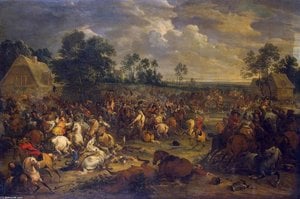
Cavalry Engagement

This reproduction is meticulously crafted by skilled artists, ensuring an authentic representation of Van der Meulen's original work. It serves as a valuable addition to any art collection or historical display.

Adam Frans van der Meulen (1632-1690) byl vlámský malíř, známý svými obrazovými výtvarnými díly glorifikujícími Ludvíka XIV. Jeho díla jsou klíčová pro vizuální propagandu francouzského krále.

Ručně malovaná olejová reprodukce

Ručně malované olejné plátno v libovolném rozměru i s rámem, vyrobené našimi umělci na zakázku. ( Přepnout na tiskové verze Přepnout na digitální verzi obrazu)

P118B $10
P118H $10
P118W $10
P438Z $10
P508JH $12
P508YH $12
P805H $10
P805Z $10
P919BZ $10
P919G $10
P919XJ $10
P959ZH $10
P968JZ $12
W106C $8
W218G $10
W218JH $8
W218Y $10
W307PJ $10
W316G $10
W316PJ $8
W316Y $10
W398PJ $8
W4111J $10
W500HY $15
W500JH $15
W692G $12
W849H $8
W940BG $15
W953PJ $8

Standardní velikost
na zakázku
CM
INCH

Vyberte si z našich přednastavených velikostí, které odpovídají původním proporcím díla.

šířka
výška

Můžete zadat vlastní rozměry pro konkrétní rám nebo prostor. Pokud se vámi vybraná velikost neshoduje s proporcemi původního obrazu, dílo buď ořízneme, nebo jej doplníme ručně malovanými prvky. Před zahájením výroby vám bude zaslán digitální náhled ke schválení.
Upozorňujeme, že náhled na obrazovce neodpovídá skutečnému ořezu ani rozšíření. Pouze digitální náhled přesně zobrazí finální kompozici.
Ačkoliv je možné zvolit vlastní velikost, pro zachování původních proporcí doporučujeme vybrat rozměr z předdefinovaného seznamu.

Příklady možných změn: nahrazení obličeje vlastní fotografií; přidání domácího mazlíčka (např. nahrazení kočky psem); vložení skrytého vzkazu do pozadí; změna krajiny nebo prvků v pozadí.
Po přijetí objednávky vám tým WahooArt.com zašle e-mail s pokyny a poskytne náhledovou verzi.

Celosvětová doprava () za 3–4 týdny namísto standardních 5 týdnů. (23 září). Bez kompromisů v kvalitě.

why_choose_icon
Zdarma celosvětová expresní doprava
why_choose_icon
Vysoce kvalitní lněné plátno
why_choose_icon
Úplné pojištění přepravy
why_choose_icon
Záruka vrácení celního poplatku
why_choose_icon
Záruka věrného barevného shodu
why_choose_icon
100dení lhůta pro vrácení zboží (pouze při vadách výroby)
why_choose_icon
100% garance vrácení peněz
why_choose_icon
Sleva při více objednávkách

Celková cena

$ 272

reproduction

Cavalry Engagement

Technika provedení

Velikost reprodukce

-

Celková cena

$ 272

Rychlé informace

  • Artist: Adam van der Meulen
  • Medium: Oil on canvas
  • Influences: Louis XIV
  • Dimensions: 118 x 175 cm
  • Subject or theme: Military scene
  • Title: Cavalry Engagement
  • Location: Hermitage Museum

Kvíz o umění

U každé otázky je pouze jedna správná odpověď.

Otázka 1:
What is the primary subject depicted in Adam Frans van der Meulen’s ‘Cavalry Engagement’?
Otázka 2:
In what century was ‘Cavalry Engagement’ created?
Otázka 3:
The painting utilizes a technique that creates depth and texture. What is this technique primarily referred to?
Otázka 4:
Which of the following best describes Adam Frans van der Meulen’s artistic style as exemplified in ‘Cavalry Engagement’?
Otázka 5:
The painting is currently housed in which museum?

A Chronicle of Power and Precision: Adam Frans van der Meulen’s Cavalry Engagement

Adam Frans van der Meulen's “Cavalry Engagement” isn’t merely a depiction of battle; it’s a meticulously crafted testament to the burgeoning power of Louis XIV, the ‘Sun King,’ and a stunning example of Baroque artistry. Completed in 1657 and currently residing within the hallowed halls of the Hermitage Museum in St. Petersburg, this oil on canvas painting transcends its historical subject matter to become a vibrant tableau of dynamic movement, opulent detail, and calculated propaganda. Van der Meulen, a key figure in shaping Louis XIV’s image, understood that visual narratives could be as potent as royal decrees, and “Cavalry Engagement” stands as a prime illustration of this strategic approach to art.

The scene unfolds with breathtaking immediacy – a chaotic yet controlled clash of cavalry. Horses, rendered with an almost palpable sense of energy, surge forward in various states of motion; riders, clad in the rich fabrics and gleaming armor characteristic of the period, engage in fierce combat. The artist’s mastery lies not just in capturing the physicality of the scene but also in conveying a profound sense of depth and texture. Light and shadow are deployed with masterful precision, carving out forms and directing the viewer's eye towards the heart of the action – a cluster of soldiers locked in deadly struggle. The attention to detail is remarkable; from the intricate stitching on the armor to the subtle variations in the horses’ manes and tails, every element speaks to Van der Meulen’s dedication to historical accuracy and his profound understanding of equestrian art.

Baroque Brilliance: Technique and Style

Van der Meulen's style is deeply rooted in the Baroque tradition, yet he possesses a distinctly individual voice. He employs a rich palette – deep reds, blues, and golds dominate, creating an atmosphere of dramatic intensity. The brushwork is loose and expressive, contributing to the sense of movement and immediacy. However, it’s not simply about capturing raw emotion; Van der Meulen meticulously builds up layers of paint, achieving remarkable detail in the rendering of textures – the polished steel of the armor, the flowing fabric of the clothing, and the muscular forms of the horses. The composition itself is carefully balanced, guiding the eye through the scene with a clear sense of hierarchy. The background landscape, though somewhat generalized, provides essential context, grounding the action within a recognizable, albeit idealized, setting.

  • Oil on Canvas: The medium lends itself perfectly to capturing both detail and luminosity, crucial elements in Van der Meulen’s style.
  • Dynamic Composition: The arrangement of figures creates a sense of movement and drama, pulling the viewer into the heart of the conflict.
  • Rich Color Palette: Deep reds, blues, and golds evoke a sense of power, wealth, and military might.

A Window to the 17th Century: Historical Context

“Cavalry Engagement” offers a valuable glimpse into the military practices and societal norms of the 17th century. The attire worn by the soldiers – armor, weaponry, and clothing styles – are all meticulously researched and faithfully reproduced, providing insights into the equipment and uniforms used during this period. Beyond its aesthetic qualities, the painting holds historical significance as a visual record of warfare and military strategy. It reflects the importance of cavalry in 17th-century conflicts, showcasing their role in flanking maneuvers and decisive charges. Furthermore, it’s important to consider that Van der Meulen wasn't simply documenting history; he was actively contributing to its narrative by creating images that glorified Louis XIV and his reign.

Bringing the Masterpiece Home: Reproductions for Today

WahooArt offers meticulously crafted hand-painted reproductions of “Cavalry Engagement,” allowing art lovers to experience the beauty and power of this iconic work in their own homes. Our skilled artists replicate Van der Meulen’s techniques with exceptional accuracy, capturing not only the visual details but also the emotional impact of the original painting. Whether you're a collector, an interior designer seeking a statement piece, or simply someone captivated by Baroque art, our reproductions provide a stunning and authentic representation of this remarkable masterpiece. Explore the collection at WahooArt.com to discover the perfect reproduction for your space.


Biografie umělce

A Life Dedicated to the Sun King

Adam Frans van der Meulen, a name perhaps less immediately familiar than some of his contemporaries within the vibrant world of 17th-century Baroque art, nevertheless holds a significant place in the history of European painting and, crucially, as a key architect of Louis XIV’s carefully constructed image – the ‘Sun King’. His life unfolded not merely as a chronicle of artistic skill but as a dedicated service to the French monarchy, translating military might and regal splendor into breathtaking canvases and, most notably, into the monumental tapestry cycles that adorned the palaces of Versailles and elsewhere. Van der Meulen wasn’t simply recording historical events; he was actively shaping them, crafting a visual narrative designed to glorify Louis XIV's reign and cement his legacy for posterity – a potent blend of artistry and propaganda.

From Brussels Workshop to Parisian Court

Van der Meulen’s artistic journey began within the traditional framework of a master-apprentice relationship. He entered the workshop of Peter Snayers, an established Antwerp painter renowned for his depictions of battle scenes, hunting expeditions, and the refined life of the court – subjects that would profoundly influence Van der Meulen's early work. Mastering the intricacies of portraying cavalry charges with dynamic realism, capturing the energy of military engagements, and rendering the textures of armor and weaponry formed the bedrock of his artistic skillset. Becoming a master within the Brussels Guild of Saint Luke in 1651 marked a significant milestone, signifying his growing competence as an artist. However, it was an invitation from Paris in 1664 – a summons from Jean-Baptiste Colbert, Louis XIV’s formidable Superintendent of Buildings, Arts and Manufactures – that irrevocably altered the course of his career. Colbert recognized Van der Meulen's exceptional talent for capturing movement, detail, and the dramatic scale of events, qualities deemed essential for immortalizing the king’s military triumphs through visual representation. This invitation led to his entry into the orbit of Charles Le Brun, the court painter and director of the Gobelins Manufactory – a pivotal moment that placed him at the heart of France's burgeoning tapestry industry and its propagandistic ambitions.

The Art of Propaganda: Tapestries and Military Campaigns

Van der Meulen’s role within the Gobelins was multifaceted and demanding. He wasn’t simply tasked with executing designs; he actively participated in conceptualizing complex narrative cycles, meticulously planning the composition and execution of vast tapestry projects intended to serve as potent symbols of royal authority and national pride. The “History of the King” series – a monumental undertaking depicting Louis XIV's military conquests – stands as a testament to his skill and strategic vision. He personally documented the king’s campaigns, accompanying Louis on expeditions to Flanders and Burgundy, sketching scenes of battles, sieges, and intricate strategic maneuvers with remarkable precision. These detailed drawings served as the foundational basis for the paintings that were then translated into the elaborate designs woven into the tapestries themselves – a process demanding not only artistic talent but also an understanding of textile production and color theory. Collaboration was paramount; Van der Meulen frequently worked alongside other Flemish artists, such as Adriaen Frans Boudewijns and Abraham Genoels, who contributed their expertise in landscape design and engraving, ensuring the tapestry cycles were visually rich and historically accurate. The “Maison Royales” series – showcasing the opulent palaces of Louis XIV – further demonstrated his versatility and ability to capture both the grandeur of architecture and the refined elegance of courtly life. Crucially, Van der Meulen’s work wasn't merely about depicting events; it was fundamentally about constructing a carefully curated image of power, control, and divine right – a deliberate act of propaganda designed to shape public perception and reinforce the legitimacy of Louis XIV’s rule.

Style, Influence, and Lasting Legacy

Van der Meulen’s artistic style is characterized by an arresting dynamism and meticulous attention to detail. His battle scenes are not static representations; they convey the chaotic energy, dramatic scale, and sheer intensity of warfare with remarkable realism. He possessed an exceptional ability to portray horses – a subject he clearly adored – with breathtaking grace and anatomical accuracy, earning him considerable acclaim within the artistic community and solidifying his reputation as a master equestrian painter. However, it’s essential to recognize that Van der Meulen's work was inextricably linked to its propagandistic purpose; while undeniably beautiful and technically accomplished, it served a clear political agenda – glorifying Louis XIV’s reign and projecting an image of invincibility and absolute authority. This focus on realism, combined with a deliberate emphasis on spectacle and grandeur, significantly influenced the development of military painting in France, establishing a style that would be emulated by subsequent generations of artists. Beyond his paintings, his designs for tapestries played a crucial role in elevating France’s status as a leading center for tapestry production during Louis XIV's reign – a testament to his artistic influence and the enduring power of visual propaganda. Recognized for his contributions, Van der Meulen received numerous honors – including a royal privilege granting him the right to have engravings produced from his works, appointment as “Ordinary Painter to the King” in 1673, and admission to the prestigious Royal Academy of Painting and Sculpture without having to submit a traditional reception piece – a remarkable testament to his established reputation and the esteem in which he was held by the French court. Adam Frans van der Meulen died in Paris in 1690, leaving behind a legacy not just as a skilled artist but as an instrumental figure in shaping the visual narrative of one of Europe’s most powerful monarchs – a lasting reminder that art can be both beautiful and profoundly political.

Current Meta Description:

Adam Frans van der Meulen (1632-1690) was a Flemish Baroque painter renowned for his dynamic battle scenes & landscapes glorifying Louis XIV's triumphs, shaping the 'Sun King’s' image and influencing French military art.

Current Meta Keywords:

Adam Frans van der Meulen, Adam-François van der Meulen, Flemish painter, Baroque art, Battle painting, Louis XIV, Military art, Tapestry design, 17th century painting, Horse painting
Adam Frans van der Meulen

Adam Frans van der Meulen

1632 - 1690 , Belgie

Rychlé informace

  • Artistic Movement Or Style: Baroko
  • Artists Or Movements Influenced By This Artist: ['Francouzské vojenské malířství']
  • Artists Who Influenced This Artist: ['Pieter Snayers']
  • Date Of Birth: 11. ledna 1632
  • Date Of Death: 15. října 1690
  • Full Name: Adam Frans van der Meulen
  • Nationality: Vlaňak
  • Notable Artworks:
    • Historie krále
    • Siěže Lille
  • Place Of Birth: Brusel, Belgie