Продавайте вашата изкуство
x
Представи си гоПредстави си го AR прегледAR преглед Превключване към печат Превключване към печатПревключване към изображение Превключване към изображение ИзпратиИзпрати
ДетайлиДетайли Добавяне към любими Добавяне към любими ИзтеглянеИзтегляне ПодобниПодобни Рентгенова снимкаРентгенова снимка СлайдшоуСлайдшоу

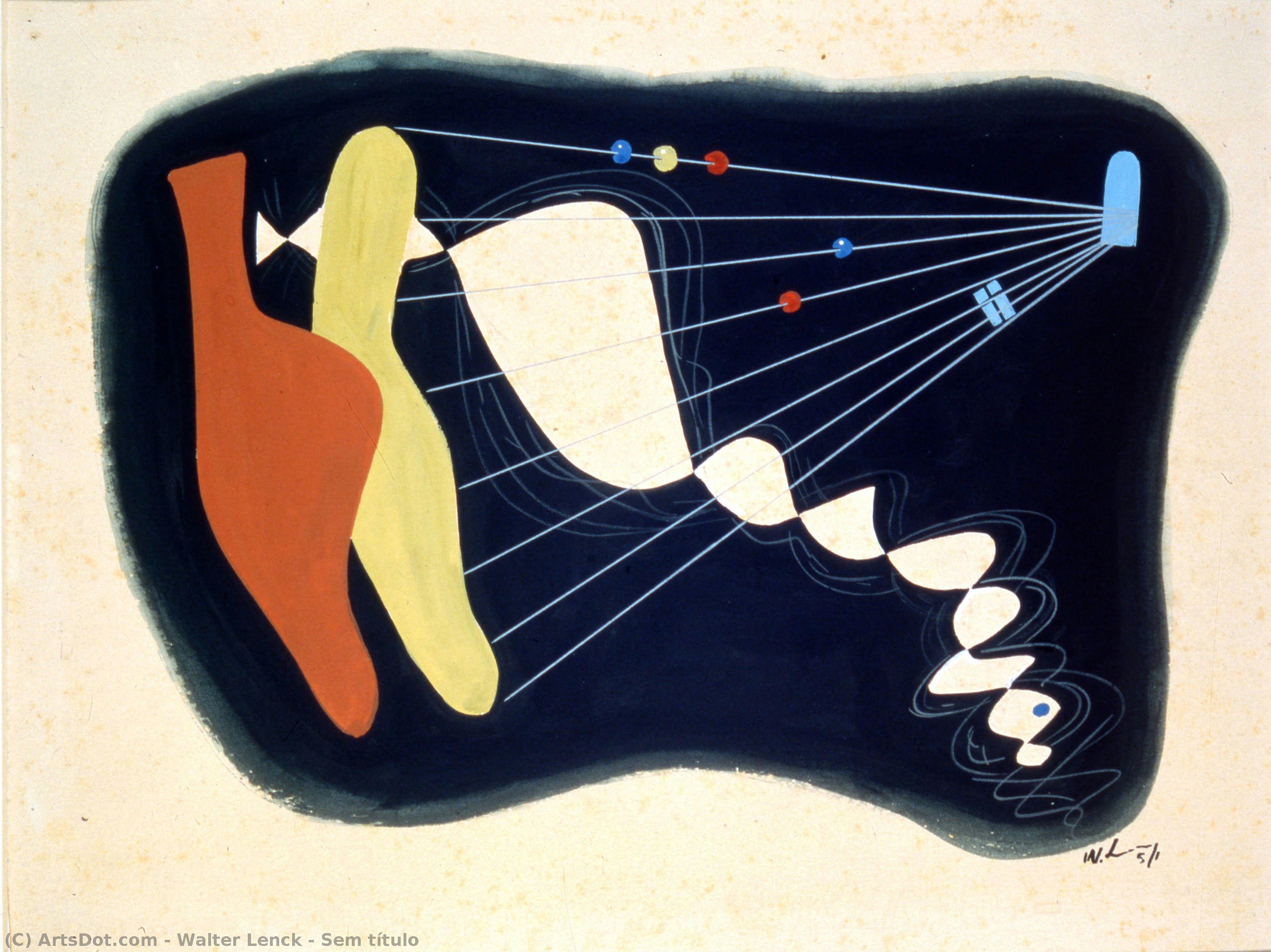
Sem título

Explore Walter Lenck (Walter Lewy), a versatile German artist (1873-1952). Discover his Expressionist & Impressionistic paintings, landscapes, portraits & more. See works in museums worldwide!

Ръчно изработена маслена репродукция

Ръчно рисувана маслена картина върху платно във вашия размер и рамка, изработена по поръчка от нашите художници. (Превключване към печат Превключване към печатПревключване към изображение Превключване към изображение)

Standard
custom
CM
INCH

Изберете от предварително зададените размери, които съответстват на оригиналните пропорции на произведението.

ширина
височина

Можете да въведете свои собствени размери, за да пасне на конкретна рамка или пространство. Ако избраният от вас размер не съответства на пропорциите на оригиналното изображение, ние ще изрежем произведението или ще удължим картината с допълнителни ръчно рисувани елементи. Дигитален макет ще бъде изпратен за ваше одобрение преди започване на производството.
Моля, обърнете внимание, че прегледът на екрана не отразява действителното изрязване или разширяване. Само макетът ще покаже точно финалния състав.
Въпреки че са налични персонализирани размери, препоръчваме да изберете размер от предварително дефинирания списък, за да запазите оригиналните пропорции.

Примери за това какво може да се промени: Заменете лице с клиентска снимка; Добавете домашен любимец (например заменете котка с куче); Включете скрито послание на фона; Променете пейзажа или елементите на фона.
След поръчка, екипът на WahooArt.com ще изпрати имейл на клиента за инструкции и ще предостави преглед на макет.

Доставка по целия свят () в рамките на 3/4 седмици вместо стандартните 5 седмици. (2 Август). Без компромис с качеството.

why_choose_icon
Безплатна експресна доставка по целия свят
why_choose_icon
Висококачествено ленено платно
why_choose_icon
Пълно застраховане при доставка
why_choose_icon
Гаранция за възстановяване на митнически такси
why_choose_icon
Гаранция за цветова точност
why_choose_icon
60-Дневен период за връщане (Само при дефекти)
why_choose_icon
100% Гаранция за връщане на парите
why_choose_icon
Предложение за отстъпка при поръчка на едро

Обща цена

$ 272

reproduction

Sem título

Репродукционен метод

Размер на репродукцията

-

Обща цена

$ 272


Биография на художника

A Polymath of Form and Sound: The Life of Walter Lenck

Walter Lenck, born into the vibrant cultural landscape of Berlin as Walter Lewy, was an artist who refused to be confined by the boundaries of a single medium. His life was a symphony of diverse disciplines, where the precision of architecture met the fluid emotion of cello performance and the tactile strength of sculpture. Born on September 2, 1873, to a banker and his wife, Lenck’s early years were marked by a profound curiosity about the natural world. As a young boy, he could be found wandering the Berlin Zoo, translating the raw energy of animals onto paper, or lost in the epic tales of Greek mythology. This early fascination with the Argonauts and the wild essence of creatures would later manifest in his monumental bronze works, bridging the gap between classical myth and modern expression. His path to artistic mastery was as multifaceted as his talent. While he initially pursued musical studies—eventually becoming a virtuoso cellist—the call of the visual arts proved irresistible. At the Royal Academy in Berlin, he studied sculpture under the esteemed Paul Friedrich Meyerheim, while simultaneously honing his understanding of structure through architectural training. His education was not limited to Germany; his travels took him to Paris, where the influence of Antoine-Louis Barye’s animalier style left an indelible mark, and to Brussels, where the social realism of Constantin Meunier provided new perspectives on form and human struggle.

The Sculptural Triumph and the Shift of Identity

The turn of the century brought a pivotal moment in Lenck's career, marked by both professional glory and a personal transformation. In 1910, his monumental sculpture, Jason, was selected by the German government to be showcased at the International Exhibition in Buenos Aires. This achievement, which earned him a Grand Prix, solidified his reputation on the global stage. It was during this era of international travel—moving between Hamburg, Vienna, and beyond—that he began to transition from the name Walter Lewery to the more permanent Walter Lenck. This change in surname, occurring between 1911 and 1913, mirrored a broader evolution in his artistic identity as he moved away from his family's banking roots toward a life defined solely by creative pursuit. His sculptural repertoire was characterized by a dynamic tension, often capturing the struggle of gladiators or the ferocity of battling animals. These works were not merely representations but explorations of movement and anatomical truth. Whether working in bronze to create lasting monuments or utilizing drawing to capture fleeting impressions, Lenck’s hand was always guided by a desire to convey the internal spirit of his subjects. His ability to balance the heavy, grounded nature of sculpture with the lyrical grace of a composer allowed him to create pieces that felt both physically present and poetically resonant.

Legacy Amidst Shadows and Displacement

The later years of Lenck’s life were shadowed by the tumultuous political tides of the twentieth century. As a member of a Jewish family, the rise of Nazi persecution in Germany made his continued presence in Berlin impossible. In 1936, Lenck embarked on a profound journey of displacement, emigrating to Johannesburg, South Africa. This relocation marked the end of his European era but began a new chapter of survival and quiet persistence in a vastly different landscape. Though far from the academies of Berlin and Paris, the essence of his training—the meticulous observation learned at the zoo and the structural discipline of architecture—remained the foundation of his spirit. Lenck passed away in Johannesburg in 1952, leaving behind a legacy that defies simple categorization. He remains a significant figure for those studying the intersection of German Expressionism and Impressionism, as well as the broader movement of polymathic artists who sought unity across different art forms. His life serves as a testament to the resilience of the creative soul, proving that even when stripped of homeland and name, the fundamental drive to capture beauty, myth, and motion remains unextinguishable.
  • Key Artistic Disciplines: Sculpture, Painting, Architecture, Music Composition, and Dramaturgy.
  • Notable Works: The bronze monument Jason (1910) and various mythological studies.
  • Major Influences: Paul Friedrich Meyerheim, Antoine-Louis Barye, and Constantin Meunier.
  • Historical Context: A survivor of the era's great displacements, moving from Berlin to South Africa.
walter lenck

walter lenck

1873 - 1952 , Germany

Бързи факти

  • Artistic Movement Or Style: Expressionism & Impressionism
  • Artists Or Movements Influenced By This Artist: ['Antoine-Louis Barye']
  • Artists Who Influenced This Artist: ['Paul Friedrich Meyerheim']
  • Date Of Birth: September 2, 1873
  • Date Of Death: August 13, 1952
  • Full Name: Walter Lenck (Walter Lewy)
  • Nationality: German
  • Notable Artworks:
    • Landscape with mountains
    • Still life with flowers
    • Portrait of a woman
  • Place Of Birth: Berlin, Germany