Представи си гоПредстави си го AR прегледAR преглед Превключване към принт Превключване към принтКупете ръчно рисувана картина Купете ръчно рисувана картина ИзпратиИзпрати
ДетайлиДетайли Добавяне към любими Добавяне към любими ИзтеглянеИзтегляне ПодобниПодобни Рентгенова снимкаРентгенова снимка СлайдшоуСлайдшоу СтатистикаСтатистика

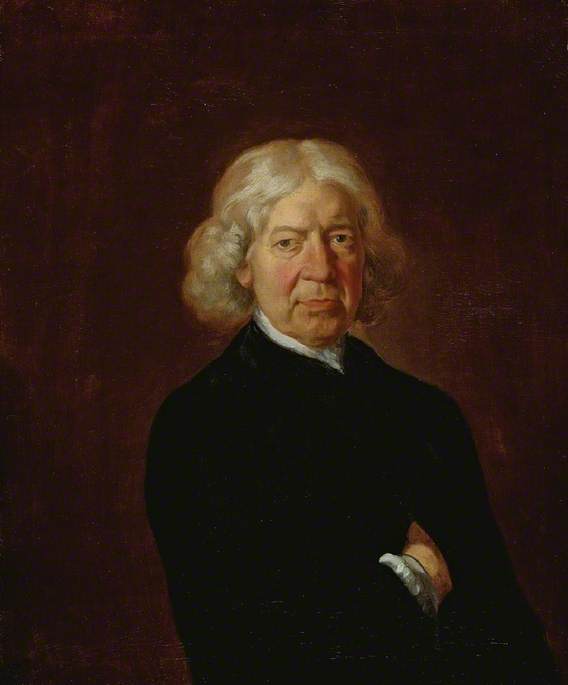
John Kirby

Born in Sudbury, Suffolk, Thomas Gainsborough possessed an exceptional artistic talent from childhood, nurtured by his father's encouragement. He established himself as a celebrated landscape painter and portrait artist, influencing generations of British artists.

Томас Гейнсбъроу (1727-1788): Изследвайте елегантните портрети и пейзажите на този британски майстор, основател на Кралската академия и влияние върху Констабле.

Закупете дигитално изображение с висока резолюция и подобрени характеристики, значително по-добро от онлайн прегледа.

Всеки файл е щателно подготвен от нашите специалисти с помощта на съвременни инструменти и експертна ръчна ретуш. Гарантираме, че всяко изображение има изключителна яснота, прецизна цветова точност и фини детайли.

Окончателният файл се доставя по имейл в рамките на 72 часа, оптимизиран за незабавна употреба в професионални, редакционни и печатни среди. Това е същото качество, на което се доверяват водещи дизайнерски студия, издатели и галерии.

Дигитално изображение

Изтеглете файл с висока резолюция за лично показване, принтиране и творчески проекти. (Превключване към принт Превключване към принтКупете ръчно рисувана картина Купете ръчно рисувана картина)

Обща цена

$ 24,90

Включено във всяка поръчка за дигитални изображения

Експресна дигитална доставка, гарантирана

Когато изберете WahooArt.com, вие не получавате само изображение – вие получавате професионално подобрена дигитална творба, създадена с прецизност и подкрепена от гаранция за удовлетворение. Ето всичко, което автоматично се включва в вашата поръчка:

shipping_icon
Бърза доставка по имейл

Вашето дигитално изображение с висока резолюция ще ви бъде изпратено по имейл в рамките на 72 часа от поръчката - готово за незабавно използване.

canvas_icon
Дигитален файл с подобрено качество чрез изкуствен интелект

Вашата картина е професионално оптимизирана с помощта на усъвършенствани инструменти за изкуствен интелект и ръчна редакция, осигурявайки максимална детайлност, яснота и точност на цветовете.

insurance_icon
Безплатна доживотна повторна доставка

Изгубили сте или сте премахнали файла си по погрешка? Не се притежнявайте – ще го изпратим отново на Вас по всяко време, безплатно.

tax_icon
Без такки за мито - никога

Всредите си веднага без мита, данъци или такси по доставка - дигителните приложения винаги са без данъчно освободени.

color_icon
Гаранция за точност на цветовете

Гарантираме, че вашето дигитално изображение отразява оригиналните цветове възможно най-точно, използвайки професионални инструменти и управление на цветовете.

return_icon
100-дневна гаранция за удовлетвореност

Ако не сте доволни от вашето дигитално изображение, ще го преработим или ще възстановим 100% от сумата в рамките на 100 дни – без излишни въпроси.

guarantee_icon
100% Гаранция за връщане на пари.

Не сте доволни? Получете пълен възврат на сумата в рамките на 100 дни от получаването на вашия цифров файл – без излишни въпроси.

discount_icon
Отстъпки за големи поръчки

Купете 3 изображения, спестете 10% - Купете 5, спестете 15% - Купете 10+, спестете 20%. Отлично за творчески проекти, галерии и агенства.

Бързи факти

  • Influences: Dutch Portrait Tradition
  • Artistic style: Elegant realism
  • Notable elements or techniques: Detailed portraiture; Subtle shading
  • Title: John Kirby
  • Medium: Oil on canvas
  • Subject or theme: Portrait of Heneage Lloyd
  • Location: Fitzwilliam Museum, Cambridge

Тест за изкуство

Има само един верен отговор за всеки въпрос.

Въпрос 1:
What is the artist responsible for?
Въпрос 2:
In what year was this painting created?
Въпрос 3:
Where is the artwork currently housed?
Въпрос 4:
What color is the wall in the background?
Въпрос 5:
Describe the subject matter of the painting.

A Suffolk Legacy: Examining Thomas Gainsborough’s “John Kirby”

The painting "John Kirby" by Thomas Gainsborough, completed in 1748, transcends mere portraiture; it embodies the spirit of Georgian England and represents a pivotal moment in British artistic history. Born in Sudbury, Suffolk, Gainsborough's formative years instilled within him an unparalleled appreciation for the natural world – a fascination that would permeate his oeuvre and solidify his reputation as one of Britain’s foremost landscape painters alongside his celebrated portraits. Unlike many of his contemporaries who honed their skills in formal academies, Gainsborough cultivated his talent independently, drawing inspiration from the serene Suffolk countryside and establishing himself as a self-taught visionary. This early immersion in observation and meticulous detail foreshadowed the stylistic hallmarks that would define his mature work.
  • Subject Matter: The portrait depicts John Kirby, a gentleman of considerable stature and influence, rendered with remarkable realism against a subtly textured red wall. Gainsborough’s careful attention to anatomical accuracy—evident in Kirby's posture and musculature—demonstrates the artist’s commitment to capturing the human form with unprecedented fidelity.
  • Style: Gainsborough’s style is characterized by its understated elegance and luminous tonal palette. He eschewed dramatic chiaroscuro, favoring instead a diffused light that softens features and imbues the scene with an atmosphere of contemplative calm. This technique aligns perfectly with the prevailing aesthetic sensibilities of the period, prioritizing natural beauty and psychological nuance over theatrical grandeur.
  • Technique: Executed in oil on canvas, Gainsborough employed a layering process—known as glazing—to achieve subtle gradations of color and create an illusion of depth. Thin washes of translucent pigment were applied over initial layers of paint, resulting in a velvety surface texture that captures the nuances of light and shadow with breathtaking precision.

Historical Context: Georgian England – A Moment of Refinement

“John Kirby” emerged during the reign of George II, marking a period of considerable social and cultural transformation within Britain. The Georgian era witnessed an explosion of artistic creativity fueled by patronage from wealthy landowners and aristocrats like Gainsborough’s benefactor, Henry Seymour Lloyd. This newfound prosperity fostered a taste for refined aesthetics—particularly in portraiture—where artists sought to convey not only physical likeness but also character and status.

Symbolism & Emotional Impact: Beyond Appearance

The stern gaze of Kirby’s eyes speaks volumes about the sitter's inner composure and confidence. Gainsborough skillfully conveys a sense of dignified restraint, reflecting the values of Georgian society—where outward appearances were carefully cultivated to project an image of respectability and virtue. The muted red wall serves as a grounding element, anchoring the portrait within its environment and subtly reinforcing Kirby’s position as a man of substance.

The Fitzwilliam Museum Legacy

"John Kirby" currently resides at the Fitzwilliam Museum in Cambridge, United Kingdom, where it continues to captivate viewers with its timeless beauty and masterful execution. Its presence underscores Gainsborough's enduring contribution to British art and serves as a testament to the power of observation and artistic skill.


Биография на художника

A Suffolk Beginning: The Early Life and Artistic Awakening

The story of Thomas Gainsborough, one of Britain’s most celebrated artists, unfolds not within the confines of a grand academy or bustling metropolis, but in the tranquil market town of Sudbury, Suffolk. Born in 1727, the youngest son of John Gainsborough, a weaver and wool merchant, young Thomas displayed an innate artistic sensibility from a remarkably early age. While his siblings pursued more conventional paths, Thomas’s world rapidly became consumed by drawing and painting – miniature self-portraits and delicate landscapes blossoming from his hand even before he reached ten years old. This precocious talent wasn't merely a childhood pastime; it was the burgeoning of a vision that would reshape British art. His father, recognizing this unique gift, encouraged its development, setting young Thomas on a path diverging sharply from the family trade. The Suffolk countryside itself became his first studio, imbuing his later works with a deep and abiding love for the natural world – a characteristic that would distinguish him throughout his career. This early immersion in landscape wasn’t simply about replicating what he saw; it was about *feeling* the essence of the English countryside, an emotional resonance that would permeate his canvases for decades to come.

London and the Shaping of a Style: Influences and Early Commissions

In 1740, at the age of thirteen, Gainsborough journeyed to London, embarking on formal artistic training under Hubert Gravelot, a French engraver renowned for his elegant rococo style. This exposure proved pivotal, introducing him to refined techniques and fashionable aesthetics. However, it was his association with William Hogarth and the St Martin’s Lane Academy that truly began to mold his artistic identity. Initially influenced by Hogarth's narrative approach – his detailed depictions of London life and social commentary – Gainsborough soon charted his own course, developing a distinctive style characterized by its lightness of touch, fluid brushwork, and subtle color palettes. He absorbed lessons from various masters, yet resisted strict adherence to any single school, forging a path that blended observation with imagination. He studied the works of Old Masters like Rembrandt and Rubens, but ultimately developed his own unique approach, prioritizing atmosphere and feeling over meticulous detail. Returning to Sudbury after marrying Margaret Burr in 1746, Gainsborough established himself as a portraitist for the local gentry. This period honed his skills in capturing likenesses and character, but it was during his subsequent move to Ipswich, and later Bath, that he began attracting a more sophisticated clientele – individuals who appreciated not just accurate representation, but also artistic flair and emotional depth.

Bath and Beyond: Portraiture, Landscape, and Royal Patronage

The years spent in Bath (1759-1774) marked a significant turning point in Gainsborough’s career. The city was a hub of fashionable society, providing him with ample opportunities to paint portraits of the wealthy and influential. He quickly gained renown for his ability to capture not only physical resemblance but also the personality and social standing of his sitters. His portraits weren't merely depictions; they were statements about identity and status. He skillfully employed light and shadow to create a sense of depth and drama, capturing the nuances of human expression with remarkable sensitivity. However, even amidst the demands of portraiture, Gainsborough never abandoned his passion for landscape painting. In fact, he often seamlessly integrated landscapes into his portraits, creating compositions that celebrated both human subjects and the beauty of the natural world. This innovative approach – a hallmark of his style – set him apart from many of his contemporaries. He experimented with loose brushstrokes and atmospheric effects, capturing the fleeting qualities of light and weather. The culmination of his success came with his move to London in 1774, where he established a studio on Pall Mall and became a founding member of the Royal Academy. He also secured royal patronage, becoming a favorite painter of King George III and Queen Charlotte, further solidifying his position as one of Britain’s leading artists. *Mrs. Thomas Gainsborough*, painted in 1785, exemplifies this period – an elegant portrait showcasing rococo style and muted tones.

A Legacy of Innovation: Enduring Appeal and Influence

Thomas Gainsborough died in 1788, leaving behind a body of work that continues to captivate audiences today. His influence on subsequent generations of British artists is undeniable. He liberated portraiture from rigid formality, infusing it with spontaneity and emotional resonance. His loose brushwork and atmospheric effects paved the way for the Impressionists, while his lyrical landscapes inspired artists like John Constable, who deeply admired Gainsborough’s ability to capture the spirit of the English countryside. Gainsborough's legacy extends beyond technique; it lies in his profound understanding of human character and his unwavering commitment to artistic expression. He wasn’t simply a painter of portraits or landscapes; he was a storyteller, a poet of light and color, and a visionary who transformed British art. His paintings are a testament to the power of observation, imagination, and the enduring allure of the English landscape.

Exploring Gainsborough's World Today

Fortunately, the opportunity to experience Gainsborough’s genius firsthand remains readily available. Gainsborough’s House, in his birthplace of Sudbury, stands as a testament to his life and work, offering visitors an intimate glimpse into his early influences and artistic development. Christchurch Mansion in Ipswich houses a significant collection of Gainsborough paintings alongside works by Constable and other masters. Numerous museums across the United Kingdom and internationally display his masterpieces, including the National Gallery in London and the Metropolitan Museum of Art in New York. His work continues to be studied, analyzed, and celebrated, ensuring that his artistic vision will endure for generations to come. The enduring appeal of Gainsborough’s art lies not only in its technical brilliance but also in its timeless beauty and emotional depth – qualities that resonate with viewers across centuries.

Томас Гейнсбъроу

Томас Гейнсбъроу

1727 - 1788 , Великобритания

Бързи факти

  • Artistic Movement Or Style: Рококо, Портрети
  • Artists Or Movements Influenced By This Artist: ['Йон Констебл']
  • Artists Who Influenced This Artist:
    • Хуберт Гравелот
    • Уилям Хогар
  • Date Of Birth: 1727
  • Date Of Death: 1788
  • Full Name: Thomas Gainsborough
  • Nationality: Британски
  • Notable Artworks:
    • Г-жа Гейнсбъроу
    • Мистър и г-жа Андрюс
  • Place Of Birth (City And Country): Судебри, Великобритания