Представи си гоПредстави си го AR прегледAR преглед Превключване към принт Превключване към принтКупете ръчно рисувана картина Купете ръчно рисувана картина ИзпратиИзпрати
ДетайлиДетайли Добавяне към любими Добавяне към любими ИзтеглянеИзтегляне ПодобниПодобни Рентгенова снимкаРентгенова снимка СлайдшоуСлайдшоу СтатистикаСтатистика

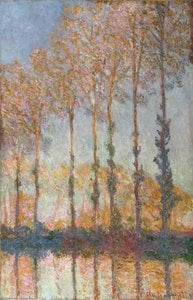
Trees

Discover 'Trees' by Sir William Gillies, a captivating depiction of a Scottish forest landscape. Explore the artist's journey from Cubism to serene landscapes at WahooArt.

Уилям Гилъс е известен шотландски художник, чиито пейзажи и графики пресъздават красотата на Лотиан, Файф и Бърдър регионите. Известен с влиянието на кубизма и Кле, той остави трайна следа в шотландското изкуство през 20-ти век.

Закупете дигитално изображение с висока резолюция и подобрени характеристики, значително по-добро от онлайн прегледа.

Всеки файл е щателно подготвен от нашите специалисти с помощта на съвременни инструменти и експертна ръчна ретуш. Гарантираме, че всяко изображение има изключителна яснота, прецизна цветова точност и фини детайли.

Окончателният файл се доставя по имейл в рамките на 72 часа, оптимизиран за незабавна употреба в професионални, редакционни и печатни среди. Това е същото качество, на което се доверяват водещи дизайнерски студия, издатели и галерии.

Дигитално изображение

Изтеглете файл с висока резолюция за лично показване, принтиране и творчески проекти. (Превключване към принт Превключване към принтКупете ръчно рисувана картина Купете ръчно рисувана картина)

Обща цена

$ 24,90

Включено във всяка поръчка за дигитални изображения

Експресна дигитална доставка, гарантирана

Когато изберете WahooArt.com, вие не получавате само изображение – вие получавате професионално подобрена дигитална творба, създадена с прецизност и подкрепена от гаранция за удовлетворение. Ето всичко, което автоматично се включва в вашата поръчка:

shipping_icon
Бърза доставка по имейл

Вашето дигитално изображение с висока резолюция ще ви бъде изпратено по имейл в рамките на 72 часа от поръчката - готово за незабавно използване.

canvas_icon
Дигитален файл с подобрено качество чрез изкуствен интелект

Вашата картина е професионално оптимизирана с помощта на усъвършенствани инструменти за изкуствен интелект и ръчна редакция, осигурявайки максимална детайлност, яснота и точност на цветовете.

insurance_icon
Безплатна доживотна повторна доставка

Изгубили сте или сте премахнали файла си по погрешка? Не се притежнявайте – ще го изпратим отново на Вас по всяко време, безплатно.

tax_icon
Без такки за мито - никога

Всредите си веднага без мита, данъци или такси по доставка - дигителните приложения винаги са без данъчно освободени.

color_icon
Гаранция за точност на цветовете

Гарантираме, че вашето дигитално изображение отразява оригиналните цветове възможно най-точно, използвайки професионални инструменти и управление на цветовете.

return_icon
100-дневна гаранция за удовлетвореност

Ако не сте доволни от вашето дигитално изображение, ще го преработим или ще възстановим 100% от сумата в рамките на 100 дни – без излишни въпроси.

guarantee_icon
100% Гаранция за връщане на пари.

Не сте доволни? Получете пълен възврат на сумата в рамките на 100 дни от получаването на вашия цифров файл – без излишни въпроси.

discount_icon
Отстъпки за големи поръчки

Купете 3 изображения, спестете 10% - Купете 5, спестете 15% - Купете 10+, спестете 20%. Отлично за творчески проекти, галерии и агенства.

Бързи факти

  • Medium: Oil on canvas (assumed)
  • Dimensions: 37 x 53 cm
  • Notable elements or techniques: Depth and dimension
  • Influences:
    • Cézanne
    • Paul Klee
    • Braque
    • Picasso
  • Title: Trees
  • Subject or theme: Forest landscape

A Glimpse into the Scottish Forest: Sir William Gillies' "Trees"

Sir William George Gillies’ “Trees,” a captivating oil painting measuring 37 x 53 cm, offers a serene and evocative glimpse into the heart of a Scottish forest. While the precise date of its creation remains unknown, the work embodies Gillies’ distinctive style—a synthesis of Cubist influences tempered by a profound appreciation for the natural world and a developing embrace of color inspired by Paul Klee. This piece isn't merely a depiction of trees; it is an exploration of light, form, and the quiet majesty of nature, rendered with a sensitivity that speaks to the soul.

The Artist’s Journey: From Cubism to Colour

To truly appreciate "Trees," one must understand Gillies' artistic evolution. Born in Haddington, East Lothian in 1898, his early training at Edinburgh College of Art was interrupted by service in World War I. Upon returning, he immersed himself in the burgeoning art scene, studying under André Lhote in Paris and traveling through Italy—experiences that introduced him to the principles of Cubism. Early works reflect this influence, characterized by fragmented forms and a restrained palette reminiscent of Braque and Picasso. However, Gillies’ artistic trajectory took a significant turn after encountering the work of Paul Klee. This encounter sparked a shift towards a more imaginative use of color and a willingness to embrace simplified, almost childlike forms—a sensibility beautifully evident in "Trees." His later works, including “Trees and Reflections” (1930) and “Trees in Leaf” (1934), further demonstrate this evolution.

A Composition of Light and Shadow

In "Trees," Gillies masterfully captures the interplay of light and shadow within a dense forest setting. At least twelve trees are visible, each distinct in size and shape, contributing to a sense of depth and dimension. The artist doesn't strive for photographic realism; instead, he uses broad brushstrokes and subtle variations in color to suggest the texture of bark, the rustling of leaves, and the dappled sunlight filtering through the canopy. The backdrop of blue sky provides a striking contrast, emphasizing the verticality of the trees and creating a sense of vastness. The composition isn't rigidly structured; rather, it feels organic and natural, inviting the viewer to wander into the scene and experience the tranquility of the forest firsthand. It’s a testament to Gillies’ skill that he can convey such a profound sense of atmosphere with relatively simple forms.

Symbolism and Emotional Resonance

While seemingly straightforward in its subject matter, "Trees" carries deeper symbolic weight. Trees have long been associated with strength, resilience, and connection to the earth—themes particularly resonant within Scottish culture. Gillies’ depiction evokes a sense of peace and contemplation, inviting viewers to reflect on their own relationship with nature. The painting's quiet beauty is both calming and inspiring, offering a respite from the complexities of modern life. It speaks to a longing for simplicity, authenticity, and a deeper connection to the natural world—emotions that continue to resonate strongly today. The work’s enduring appeal lies in its ability to evoke a sense of nostalgia and wonder, transporting viewers to a place of quiet beauty and timeless serenity.


Биография на художника

Early Life and Artistic Beginnings

Sir William George Gillies, a name synonymous with the evocative beauty of Scottish landscapes and poignant still lifes, was born in Haddington, East Lothian, in 1898. His early life, steeped in the traditions of his coastal town, provided a fertile ground for his artistic sensibilities to take root. Initially enrolled at the Edinburgh College of Art, Gillies’ academic pursuits were abruptly interrupted by the exigencies of World War I, where he served with distinction as an engineer within the Royal Engineers. This experience, marked by both hardship and camaraderie, undoubtedly shaped his perspective and informed the themes that would later permeate his work. Following the war's conclusion, he returned to complete his education at the Edinburgh College of Art, ultimately securing a position as a dedicated teacher there for over four decades – a role that profoundly impacted not only his artistic development but also the careers of countless aspiring artists.

A Journey Through Modernism: Cubism and Beyond

Gillies’ artistic trajectory began with an enthusiastic exploration of Cubism after studying under the influential André Lhote in Paris during 1923, and a subsequent journey to Italy in 1924. His early works, such as “Two Pots, Saucer and Fruit” (1933), vividly demonstrate this initial influence – a clear echo of Cézanne’s structured arrangements combined with the understated color palettes characteristic of Braque and Picasso. However, a pivotal moment arrived in 1934 when he encountered the work of Paul Klee, an encounter that fundamentally altered his artistic approach. Klee's imaginative use of colour and childlike quality ignited within Gillies a desire to infuse his compositions with greater emotional depth and spontaneity. Gradually, he moved away from the strict confines of Cubism, forging a distinctive style deeply rooted in Scottish landscape traditions and still life practices – a style that would become instantly recognizable as uniquely his own.

The 1922 Group: A Hub for Innovation

In 1922, Gillies played a crucial role in establishing the “1922 Group,” alongside fellow artists including William Crozier, William Geissler, and William MacTaggart. This collective endeavor represented more than just an exhibition society; it served as a vital incubator for emerging Scottish talent, providing a platform for their work to be showcased at the New Gallery in Edinburgh for a decade. The 1922 Group fostered a remarkable sense of community and collaborative spirit within the burgeoning Scottish art scene – a period marked by experimentation, innovation, and a shared commitment to pushing artistic boundaries. Gillies’ leadership was instrumental in nurturing this environment, solidifying his position as a key figure in shaping the direction of modern Scottish art.

Themes and Artistic Expressions: Scotland's Soul

Gillies’ oeuvre is predominantly defined by two recurring themes: the breathtaking landscapes of Scotland and the intimate still lifes that often featured ceramics crafted by his younger sister, Emma Smith Gillies – whose untimely death in 1936 profoundly impacted him, imbuing his work with a poignant sense of loss and remembrance. His depictions of the Lothian, Fife, and Border regions are celebrated for their sensitivity and ability to capture the essence of these iconic Scottish landscapes. He possessed an extraordinary eye for detail, meticulously rendering the textures of stone, the shifting light on water, and the subtle nuances of color that define the Scottish countryside. Simultaneously, his still lifes – frequently incorporating Emma’s ceramics – offered a deeply personal reflection on family, memory, and the passage of time. Beyond these central themes, Gillies also experimented with portraiture early in his career, but ultimately focused on the landscapes and still lifes which became his signature style.

Recognition and Legacy

Throughout his distinguished career, Sir William George Gillies received numerous accolades recognizing his artistic merit and contributions to Scottish art. He was elected as an Associate of the Royal Scottish Academy (RSA) in 1940 and subsequently a full Academician in 1947. In 1957, he was awarded the Commander of the Order of the British Empire (CBE), followed by knighthood in 1970 – testament to his enduring influence and respect within the art world. His legacy extends far beyond his paintings; he served as Principal of the Edinburgh College of Art from 1959 until his retirement in 1966, shaping the artistic landscape for generations of students. Today, Gillies’ work is held in prestigious collections across Scotland and internationally, ensuring that his unique vision continues to inspire and captivate audiences worldwide. He died peacefully at his home in Temple in 1973, leaving behind a body of work that remains both deeply personal and universally resonant.
Уилям Джордж Гилис

Уилям Джордж Гилис

1898 - 1973 , Великобритания

Бързи факти

  • Artistic Movement Or Style: Кубизъм, Шотландски колоризм
  • Artists Or Movements Influenced By This Artist: ['Шотландски колоризм']
  • Artists Who Influenced This Artist:
    • Андре Лото
    • Кле
    • Пикасо
    • Цезен
  • Date Of Birth: 1898
  • Date Of Death: 1973
  • Full Name: Sir William George Gillies
  • Nationality: Шотландец
  • Notable Artworks:
    • Два саксии, поднос и плод
    • Медитерански пейзаж с облачно небе
    • Композиция с керамика
  • Place Of Birth: Haddington, Великобритания