Преглед в реален мащаб Преглед с AR Избор на принт Превключване към дигитално изображение Сподели
Подробности Ръководство Добави в любими Изтегляне Подобни артикули Рентгенова снимка Слайдшоу Статистика

Samuel Woodburn

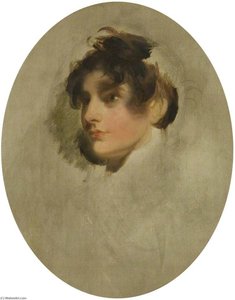
Sir Thomas Lawrence’s ‘Samuel Woodburn’ (1820) – a striking Regency portrait showcasing dramatic chiaroscuro & wealth symbolism. Oil on canvas, 109x84cm. Explore this classic British artwork.

Сър Томас Лоуренс – водещ английски портретист на Регентството, известен със своя елегантен и изтънчен стил, улавящ красотата и чара на британското благородство.

Ръчно изработена маслена репродукция

Ръчно рисувана маслена картина върху платно във вашия размер и рамка, изработена по поръчка от нашите художници. ( Избор на принт Превключване към дигитално изображение)

P118B $10
P118H $10
P118W $10
P438Z $10
P508JH $12
P508YH $12
P805H $10
P805Z $10
P919BZ $10
P919G $10
P919XJ $10
P959ZH $10
P968JZ $12
W106C $8
W218G $10
W218JH $8
W218Y $10
W307PJ $10
W316G $10
W316PJ $8
W316Y $10
W398PJ $8
W4111J $10
W500HY $15
W500JH $15
W692G $12
W849H $8
W940BG $15
W953PJ $8

Стандартен размер
по поръчка
CM
INCH

Изберете от нашите предварително зададени размери, които съответстват на оригиналните пропорции на произведението.

ширина
височина

Можете да въведете свои собствени размери, за да паснат на конкретна рамка или пространство. Ако избраният от вас размер не съответства на пропорциите на оригиналното изображение, ние ще изрежем произведението или ще разширим картината с допълнителни ръчно рисувани елементи. Дигитален макет ще бъде изпратен за ваше одобрение преди започване на производството.
Моля, обърнете внимание, че предпрогледа на екрана не отразява действителното изрязване или разширяване. Само макетът ще покаже точно финалната композиция.
Въпреки че са налични персонализирани размери, препоръчваме да изберете размер от предварително дефинирания списък, за да запазите оригиналните пропорции.

Примери за възможности за персонализация: Заменете лицето с фотография на клиента; Добавете домашен любимец (например заменете котка с куче); Включете скрито послание на фона; Променете пейзажа или елементите на фона.
След получаване на поръчка, екипът на WahooArt.com ще изпрати имейл до клиента с инструкции и ще предостави примерен макет за преглед.

Доставка по целия свят () в рамките на 3-4 седмици вместо стандартните 5 седмици. (21 Септември). Без компромис с качеството.

why_choose_icon
Безплатна експресна доставка по целия свят
why_choose_icon
Висококачествено ленено платно
why_choose_icon
Пълно застраховане на доставката
why_choose_icon
Гаранция за възстановяване на митнически такси
why_choose_icon
Гаранция за пълно съответствие на цветовете
why_choose_icon
Политика за връщане в рамките на 100 дни (само при дефекти)
why_choose_icon
100% Гаранция за връщане на сумата
why_choose_icon
Отстъпка при поръчка на повече произведения

Обща сума

$ 272

reproduction

Samuel Woodburn

Техника на репродукция

Размер на репродукцията

-

Крайна цена

$ 272

Бърза информация

  • Artist: Sir Thomas Lawrence
  • Movement: Regency portraiture
  • Subject or theme: Portrait of a gentleman
  • Medium: Oil on canvas
  • Title: Samuel Woodburn
  • Dimensions: 109 x 84 cm
  • Notable elements: Chiaroscuro, wealth symbolism

Квиз за изкуство

За всеки въпрос има само един верен отговор.

Въпрос 1:
What artistic movement is most closely associated with Sir Thomas Lawrence’s portrait style?
Въпрос 2:
The dramatic lighting in ‘Samuel Woodburn’ is a key characteristic of which technique?
Въпрос 3:
What does the inclusion of a newspaper in ‘Samuel Woodburn’ likely symbolize?
Въпрос 4:
In what year was ‘Samuel Woodburn’ painted?
Въпрос 5:
Which of the following best describes the overall atmosphere created by the color palette in ‘Samuel Woodburn’?

Samuel Woodburn: A Window into Regency Society

Sir Thomas Lawrence’s “Samuel Woodburn,” painted in 1820, isn't merely a portrait; it’s a meticulously crafted window into the social and intellectual currents of Regency England. The work depicts a gentleman seated comfortably, engrossed in a newspaper – a scene instantly familiar yet imbued with subtle layers of meaning. Lawrence, one of the era’s most celebrated portraitists, masterfully employed his signature style: a dramatic interplay of light and shadow, known as chiaroscuro, to create an atmosphere both dignified and intimate.

The composition itself is carefully considered. Woodburn occupies a significant portion of the canvas, drawing the viewer's eye immediately to his face – a study in quiet contemplation. His attire, a dark coat and waistcoat paired with a crisp white shirt and cravat, speaks volumes about his status and wealth. The draped curtain in the background adds depth and a sense of enclosed space, suggesting both privacy and intellectual pursuits. Notice how Lawrence subtly uses lines to define the contours of Woodburn’s face, clothing folds, and even the newspaper itself – a testament to his keen observational skills and technical prowess.

The Art of Chiaroscuro and its Regency Significance

Lawrence's masterful use of chiaroscuro is central to the painting’s impact. The strong contrasts between light and dark aren’t simply decorative; they serve to emphasize Woodburn’s features, highlighting his intelligence and perhaps even a hint of melancholy. This technique was particularly popular during the Regency period, reflecting a fascination with theatricality and dramatic effect – elements that resonated strongly within the fashionable circles of London society. The lighting itself feels carefully orchestrated, directing our gaze towards the subject and reinforcing his importance within the scene.

Furthermore, the choice of a newspaper as Woodburn’s primary activity is significant. It speaks to the burgeoning intellectual climate of the time, where reading and debate were increasingly valued. The gentleman isn't engaged in idle leisure; he’s actively absorbing information, suggesting an engagement with current affairs and perhaps even a degree of social influence. This reflects the growing importance of the middle class and their participation in public discourse.

A Portrait of Wealth and Status

“Samuel Woodburn” is undeniably a portrait of wealth and status – hallmarks of commissioned portraits during the Regency era. The quality of the fabrics, the meticulous detail in the rendering of his clothing, and the overall sense of refinement all communicate a message of prosperity and social standing. However, Lawrence doesn’t simply present a superficial depiction of wealth; he subtly imbues the portrait with an air of dignity and intellectualism.

The painting's historical context is crucial to understanding its full significance. Sir Thomas Lawrence was not just a painter; he was a key figure in shaping the visual culture of Regency England, advising on decorum and social etiquette for the aristocracy. His portraits were commissioned by prominent figures – members of Parliament, military officers, and wealthy merchants – and served as powerful symbols of their status and influence. “Samuel Woodburn” exemplifies this role perfectly, offering a glimpse into the lives and aspirations of a privileged segment of society.

Symbolism and Emotional Resonance

Beyond its social and historical context, "Samuel Woodburn" possesses a subtle emotional resonance. The gentleman’s contemplative gaze invites us to speculate about his thoughts and experiences. Is he lost in thought? Reflecting on recent events? Perhaps simply enjoying a moment of quiet contemplation amidst the bustle of London life?

The painting's muted color palette – dominated by dark browns, blacks, and creams – contributes to this sense of introspection. It’s a somber yet dignified atmosphere, reflecting the complexities of human experience. Ultimately, “Samuel Woodburn” is more than just a portrait; it’s a carefully constructed tableau that captures the essence of Regency society—its wealth, its intellect, and its quiet moments of reflection.


Биография на художника

A Brushstroke of Regency Splendor: The Life and Art of Sir Thomas Lawrence

Sir Thomas Lawrence, a name synonymous with the elegance and sophistication of the Regency era, was more than just a portrait painter; he was a chronicler of his time. Born in Bristol in 1769 amidst the bustling port city’s vibrant atmosphere, his early life was marked by a nomadic existence, following his father's innkeeping ventures through Devizes and Bath. It was within these convivial settings – the Bear Hotel in Devizes and the various inns of Bath – that Lawrence first discovered his artistic talent, sketching remarkably accurate portraits for patrons, a skill he honed without formal instruction, fueled by innate ability and keen observation. Even at a young age, he demonstrated an entrepreneurial spirit, supporting his family with his pastel drawings while still a teenager in Bath, showcasing a remarkable independence and drive. This early experience shaped his career, fostering self-reliance and a dedication to his craft that would define his life’s work.

Ascension to Portraiture's Pinnacle

The move to London at the tender age of eighteen marked a dramatic shift for Lawrence – an ascent into the heart of British society. He swiftly established himself as a portrait painter in oils, securing his first royal commission – a captivating portrait of Queen Charlotte in 1789 – which catapulted him to immediate fame and recognition. This wasn’t merely about technical skill; Lawrence possessed an extraordinary ability to capture not just likeness but also *character*, imbuing his subjects with a flattering yet insightful presence. He became renowned for his mastery of portraying the glamour, sophistication, and social dynamics of the Regency period, painting nobility, royalty, and prominent figures with a virtuoso handling of paint that drew comparisons to Sir Joshua Reynolds, whom he deeply admired. His election as an associate, then full member, of the Royal Academy in 1791 and 1794 respectively solidified his position within the established art world, cementing his status as one of Britain’s leading artists. Lawrence's style evolved subtly over time, always maintaining a commitment to grace, elegance, and meticulous detail – hallmarks that defined his enduring appeal.

Patronage, Prestige, and the Waterloo Chamber

The patronage of the Prince Regent (later King George IV) proved pivotal in Lawrence’s career trajectory. This influential relationship led to one of his most ambitious and historically significant commissions: the creation of portraits for the Waterloo Chamber at Windsor Castle. This vast undertaking demanded not only technical brilliance but also a profound understanding of grand scale and historical narrative. Lawrence meticulously painted 24 full-length portraits of allied military leaders – figures instrumental in Napoleon’s defeat – capturing their gravitas, authority, and strategic importance. These monumental works were intended to commemorate the victory at Waterloo and served as a powerful symbol of British power and prestige. The project brought Lawrence widespread acclaim across Europe, solidifying his reputation as a master portraitist capable of handling complex historical themes with both artistry and sensitivity. In 1815, he was knighted in recognition of his service to the Crown, further elevating his status within British society.

A Legacy Tempered by Complexity

Despite his considerable success and widespread acclaim, Lawrence’s life was not without its complexities and challenges. He struggled with persistent financial difficulties throughout much of his career, often burdened by debt despite earning substantial sums from his commissions. His personal life was marked by tumultuous relationships, most notably with Sally and Maria Siddons, daughters of the celebrated actress Sarah Siddons – connections that provided inspiration but also brought heartache and scandal. Furthermore, Lawrence’s sitters reflected the social realities of Regency England, including both slave owners and abolitionists, a poignant reminder of the moral ambiguities inherent in the era. His reputation experienced a decline during the Victorian period as tastes shifted towards more overtly didactic art forms, yet his legacy has since been partially restored, recognizing him as a significant figure in British artistic history – a master of portraiture who captured the spirit and essence of his time.

Influences and Enduring Impact

Lawrence’s artistic development was profoundly shaped by Sir Joshua Reynolds, whose emphasis on capturing character and employing a fluid brushstroke resonated deeply with the young artist. He diligently studied Old Master drawings, particularly those by Michelangelo and Raphael, absorbing their anatomical precision and compositional skills. While rooted in tradition, Lawrence's work also reflected the emerging Romantic sensibilities of his time, embracing glamour, emotional intensity, and a heightened sense of drama. His influence can be seen in the works of later portrait painters who sought to emulate his style and capture the spirit of an era. Lawrence’s legacy endures as a testament to his talent, charm, and enduring contribution to the world of art – a captivating glimpse into the opulent and complex world of Regency England.
Томас Лоуренс

Томас Лоуренс

1769 - 1830 , Великобритания

Бързи факти

  • Artistic Movement Or Style: Регентска портретура
  • Artists Or Movements Influenced By This Artist: ['Романтизъм']
  • Artists Who Influenced This Artist: ['Джошуа Рейнолдс']
  • Date Of Birth: 13 април 1769
  • Date Of Death: 7 януари 1830
  • Full Name: Sir Thomas Lawrence
  • Nationality: Британски
  • Notable Artworks:
    • Портрет на кралица Чарлътa
    • Портрети за Уотерлу
  • Place Of Birth: Бристол, Великобритания
Разгледайте произведения на изкуството, организирани по теми, стилове и характеристики.