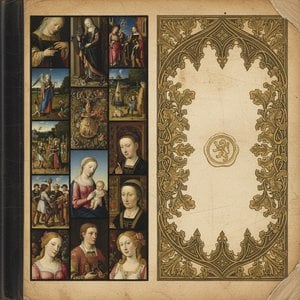
A Flemish Master at the Courts of Europe
Sir Anthony van Dyck, роден в Антверпен през 1599 г., се издигна до един от най-изтъкнатите и влиятелни портретисти на Барок века. Животът му, макар и трагично прекъснат едва на четиридесет и два години, беше бурен вихър от художествено проучване и уважавани поръчки, които го отведоха от родната си Фландрия до Италия и в крайна сметка до сърцето на английското кралство. От ранна възраст Ван Дик демонстрира забележително таланта си, като се присъедини към работилницата на Хендри ван Бален като млад ученик и бързо усвои преобладаващите стилове на времето. Въпреки това, асоциацията му с Питер Паул Рубенс – не само като ученик, но и като сътрудник – наистина оформи неговата художествена основа. Той научи от динамичните композиции, богатите цветови палитри и майсторското владеене на светлина и сянка на Рубенс, но скоро Ван Дик започна да извайва свой собствен отличителен път, характеризиращ се с елегантност и изтънченост, които ще станат негов белег.
Италиански пътешествия и раждането на стил
Годините, през които Ван Дик прекара в Италия, започвайки около 1621 г., се оказаха решаващи за неговото художествено развитие. Той пребиваваше главно в Генуа, където спечели благоразположението на аристократическите семейства на града. Именно тук той започна да култивира изискан стил, който ще стане известен – стил, характеризиращ се с грациозни позы, луксозни тъкани и почти осезаемо чувство за благородство. За разлика от буйния енергия, често срещана в творбите на Рубенс, портретите на Ван Дик излъчват изтънчена сдържаност, улавяйки не само физическото сходство, но и вътрешния характер и социалния статус на неговите модели. По време на този период той също така започна *Иконографията* – серия от прецизно изобразени портретни есета, представящи видни личности от неговото време – художници, учени и владетели. Този проект демонстрираше неговата изключителна техническа умелост и утвърди го като водещ гравьор. Тези гравюри не бяха просто записи; те бяха внимателно конструирани изображения, предназначени да омагьосат субектите и да предадат техния статус и интелект.
Кралски художник: Ван Дик в Англия
През 1632 г. Ван Дик получи покана, която завинаги промени неговата кариера – призив от Чарлз I на английското кралство да стане кралски портретист. Тази назначена бе точка на пресечване, не само за Ван Дик, но и за английската живопис. Той се появи в Лондон с голяма репутация и бързо стана незаменим за краля, назначен да създава изображения, които прожектират аура на власт, величие и божествено право. Портретите на Чарлз I са особено забележителни; той се отклони от строгите, официални представяния, предпочитани от по-ранните художници, вместо да изобрази краля като динамичен, харизматичен лидер. Той използва иновативни техники – драматично осветление, размахващи се жестове и внимателно подбрани фонове – за създаване на изображения, които са едновременно визуално впечатляващи и политически заредени. Неговото влияние се простираше отвъд кралското семейство, оформяйки визуалната култура на английската аристокрация в продължение на повече от век. Той не просто рисуваше портрети; той създаваше образ на монархията, създавайки езика на властта и престижа.
Влияние и траен принос
Неочакваната смърт на Ван Дик през 1641 г. лиши света на изкуството от пророчив талант, но неговото наследство продължава да живее до днес. Неговото въздействие върху английския портрет е неразличимо; той установи стандарт на елегантност и изтънченост, който следващите художници се стремяха да имитират.
- Технична иновация: Той беше майстор както в маслените картини, така и в гравирането, постоянно експериментирайки с нови техники.
- Стилна изтънченост: Портретите му са характерни със своите грациозни позы, луксозни тъкани и фини психологически прозрения.
- Кралско влияние: Той преобрази образа на английското кралство, създавайки визуална език на власт и престиж.
Отвъд техническата му майсторство, Ван Дик притежаваше изключителна способност да улови същността на своите модели – техния характер, техния социален статус и техните стремежи. Неговите произведения продължават да пленяват публиката с тяхната красота, елегантност и трайно психологическо дълбочина. *Децата на Балби*, *Чарлз I в три позиции* и безброй други шедьоври са свидетелство за неговия гений, гарантирайки, че Сир Антони ван Дик остава един от най-изтъкнатите художници на Барок века. Неговото влияние все още се вижда днес във модата, фотографията и съвременния портрет – свидетелство за вечното очарование на неговото изкуство.



 Представи си го
 Купете ръчно рисувана картина
 Изпрати
 Сподели
 Детайли

 Изтегляне
 Подобни
 Рентгенова снимка
 Слайдшоу
 Stats
Stats


 Прочетете повече






































 Стъклото е налично само в размери под 110 см