БЕЗПЛАТНА КОНСУЛТАЦИЯ ЗА ИЗКУСТВО

x
Купи картина Купи картинаКупи изображение Купи изображение ИзпратиИзпрати
ДетайлиДетайли Добавяне към любими Добавяне към любими ИзтеглянеИзтегляне ПодобниПодобни Рентгенова снимкаРентгенова снимка СлайдшоуСлайдшоу

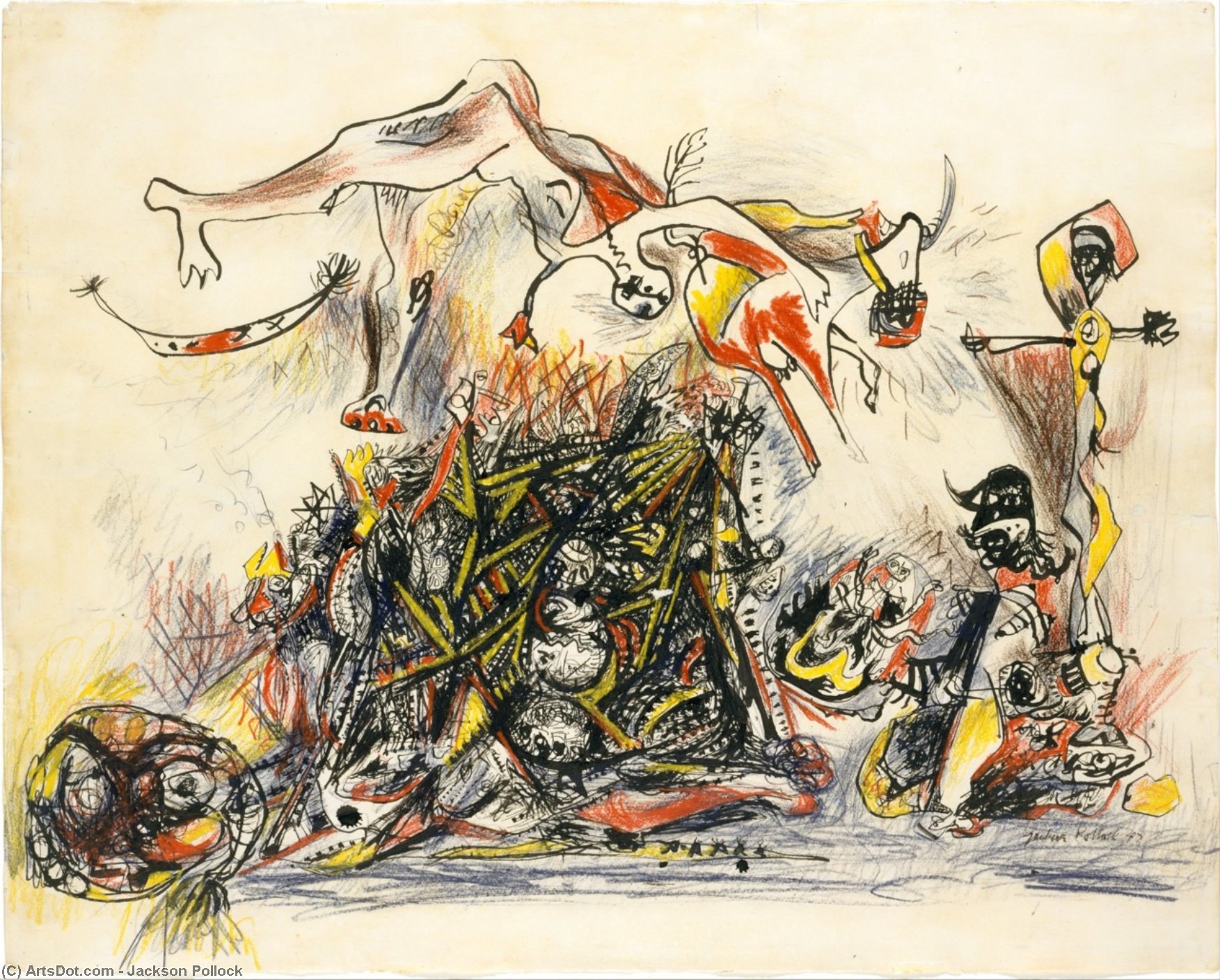
War

Пол Джаксън Полк е американски художник, пионер на абстрактния експресионизъм и известен с техниката си "дърпане" на боя върху платното. Неговите иконични картини са символ на революционен подход към изкуството и влияние върху съвременната художествена сцена.

Жикле / Художествен принт

Giclée печат или принт върху платно с музейно качество, бързо производство и гъвкави опции за завършен вид.

P118B $10
P118H $10
P118W $10
P438Z $10
P508JH $12
P508YH $12
P805H $10
P805Z $10
P919BZ $10
P919G $10
P919XJ $10
P959ZH $10
P968JZ $12
W106C $8
W218G $10
W218JH $8
W218Y $10
W307PJ $10
W316G $10
W316PJ $8
W316Y $10
W398PJ $8
W4111J $10
W500HY $15
W500JH $15
W692G $12
W849H $8
W940BG $15
W953PJ $8

Standard
custom
CM
INCH

Изберете от предварително зададените размери, които съответстват на оригиналните пропорции на произведението.

ширина
височина

Можете да въведете собствени размери, за да паснат на конкретна рамка или пространство. Ако избраният от Вас размер не съвпада с пропорциите на оригиналното изображение, ние ще изрежем произведението или ще разширим изображението с огледален или едноцветен ръб. Дигитален макет ще бъде изпратен за Ваше одобрение преди започването на производството.
Моля, имайте предвид, че предпрегледът на екрана не отразява реалното изрязване или разширяване. Само макетът ще покаже точно финалната композиция.
Въпреки че са налични персонализирани размери, препоръчваме да изберете размер от предварително дефинирания списък, за да запазите оригиналните пропорции.

Доставка по целия свят () в рамките на 2 седмици вместо стандартните 4/5 седмици. (3 Юли)

why_choose_icon
Безплатна експресна доставка по целия свят
why_choose_icon
Висококачествено ленено платно
why_choose_icon
Пълно застраховане при доставка
why_choose_icon
Гаранция за възстановяване на митнически такси
why_choose_icon
Гаранция за цветова точност
why_choose_icon
60-Дневен период за връщане (Само при дефекти)
why_choose_icon
100% Гаранция за връщане на парите
why_choose_icon
Предложение за отстъпка при поръчка на едро

Обща цена

-

reproduction

War

Жикле / Художествен принт

Размер на репродукцията

-

Обща цена

-

Бързи факти

  • Title: War
  • Medium: Ink & Colored Pencils
  • Notable elements: Drip technique, figures
  • Artistic style: Chaotic, dynamic
  • Dimensions: 20 5/8 in x 26 in
  • Subject or theme: Conflict, turmoil
  • Influences:
    • Picasso
    • Siqueiros

Тест за изкуство

Има само един верен отговор за всеки въпрос.

Въпрос 1:
What artistic movement is Jackson Pollock most closely associated with?
Въпрос 2:
The painting 'War' primarily evokes which of the following emotions?
Въпрос 3:
Which artist’s style is most reminiscent of Jackson Pollock's 'War'?
Въпрос 4:
What technique is most prominently featured in Jackson Pollock’s ‘War’?
Въпрос 5:
The painting 'War' was created during which historical period?

Описание на колекционерския предмет

War: A Descent into Chaos – Jackson Pollock’s Post-Traumatic Masterpiece

Jackson Pollock's *War*, painted in 1947, isn’t merely a canvas splashed with color; it’s a visceral embodiment of the anxieties and turmoil gripping America in the aftermath of World War II. This monumental work, rendered in thick layers of black ink and colored pencil on paper, plunges the viewer into a maelstrom of fragmented figures, violent gestures, and unsettling symbols – a direct reflection of the psychological landscape of a nation grappling with unprecedented devastation and uncertainty. The painting’s power lies not in representational accuracy but in its raw emotional intensity, a hallmark of Jackson Pollock's pioneering approach to Abstract Expressionism. It’s a piece that demands attention, inviting contemplation on themes of conflict, loss, and the enduring scars of war.

The Language of Drip: Technique and Process

Pollock’s signature “drip” technique is utterly central to *War*'s impact. He abandoned traditional brushwork, instead pouring, dripping, and splattering paint directly onto the canvas laid flat on the floor – a revolutionary act that liberated him from the constraints of easel painting. This method wasn't random; it was meticulously controlled chaos. The layering of ink creates a dense, almost sculptural surface, punctuated by sharp lines and frantic bursts of color—primarily black, red, and yellow—that seem to writhe with barely contained energy. Notice how he utilizes both linear strokes and areas of broad, diffused color, creating a dynamic tension between order and disorder. The sheer physicality of the process is evident in the visible texture and the sense that the painting was actively *made*, rather than passively observed. It’s as if Pollock wrestled with his demons onto the surface, channeling his anxieties into this monumental expression.

Abstract Expressionism: A Reflection of a Fractured World

*War* stands as a pivotal example of Abstract Expressionism, an artistic movement that exploded in New York during the 1940s and 50s. Rejecting European traditions, American artists like Pollock sought to express raw emotion and subjective experience through non-objective forms. Unlike earlier movements focused on depicting reality, Abstract Expressionists aimed to capture the inner world—the anxieties, fears, and hopes—of the individual. *War* embodies this ethos perfectly, eschewing recognizable imagery in favor of a symbolic language that speaks directly to the viewer’s subconscious. It's deeply connected to the broader cultural context of the post-war era, a time marked by disillusionment, fear of nuclear annihilation, and a profound sense of societal upheaval.

Decoding the Symbols: Figures of Conflict and Despair

The painting is populated with unsettling figures—human and animal—engaged in what appears to be a chaotic battle or ritualistic sacrifice. A hooded figure, reminiscent of Christ on the cross, dominates the right side of the composition, while a bull, often associated with primal instincts and aggression, looms over a pile of human debris. The fragmented nature of these forms suggests a breakdown of order and humanity, mirroring the devastation of war. The presence of the animal adds another layer of complexity, hinting at the brutal, instinctual forces that drive conflict. Some art historians have linked the imagery to Picasso’s *Guernica*, suggesting a dialogue between two artists grappling with the horrors of modern warfare. The overall effect is profoundly disturbing, forcing the viewer to confront the uncomfortable realities of violence and loss.

A Legacy of Raw Emotion: Pollock's Enduring Impact

*War* remains a powerfully resonant work, not just for its historical significance but also for its enduring emotional impact. It’s a testament to Jackson Pollock’s innovative technique and his willingness to explore the darkest corners of the human psyche. Reproductions of *War*, offered by WahooArt.com, allow you to bring this monumental piece into your own space, experiencing its raw energy and unsettling beauty firsthand. Its continued relevance speaks volumes about the timeless nature of art's ability to capture and convey the complexities of the human experience—particularly in times of profound turmoil. Consider exploring other works by Pollock, Mark Rothko, or Lee Krasner – artists who similarly sought to express the emotional realities of their era through bold, innovative approaches to painting.

Подобни произведения


Биография на художника

Early Life and the Seeds of Innovation

Paul Jackson Pollock, born in Cody, Wyoming, in 1912, was a restless spirit from the outset. His early life was marked by frequent relocation as his father pursued work as a land surveyor across the vast landscapes of the American West. This itinerant existence instilled in young Pollock a deep connection to the natural world and an exposure to diverse cultures, particularly through encounters with Native American art during those surveying trips – impressions that would subtly permeate his artistic vision later in life. Though he never explicitly imitated Indigenous styles, the raw energy and spiritual resonance of these early experiences undoubtedly left their mark. Pollock’s formal artistic training began at the Manual Arts High School in Los Angeles, followed by studies at the Art Students League of New York under the tutelage of Thomas Hart Benton. Benton, a prominent figure in the Regionalist movement, emphasized rhythmic composition and narrative themes rooted in American life. While Pollock initially absorbed these lessons, his inherent inclination leaned toward more abstract explorations. He was also profoundly impacted by Mexican muralists like José Clemente Orozco, whose powerful depictions of social struggle resonated deeply with him. These early influences laid a foundation, but it was the burgeoning world of Surrealism that truly unlocked Pollock’s artistic potential.

The Birth of Action Painting and a Revolutionary Technique

The 1930s saw Pollock experimenting with various techniques, seeking alternatives to traditional brushwork. He began pouring paint, exploring its fluidity and unpredictable nature. However, it was around 1947 that his artistic trajectory underwent a radical transformation. Abandoning the easel altogether, Pollock laid canvases directly on the floor, initiating what would become known as his “drip technique.” He then proceeded to drip, splash, and fling paint onto the canvas from above, orchestrating a dynamic dance between artist, medium, and surface. This wasn’t merely about applying paint; it was about embodying the act of creation itself. Pollock's canvases became arenas for physical expression, capturing the immediacy of his gestures and emotions. The resulting paintings are characterized by their “all-over” composition – a lack of central focus that invites the viewer to explore the entire surface as a unified field of energy. Intricate networks of lines and colors intertwine, creating a visual complexity that is both captivating and challenging. He employed unconventional tools—sticks, knives, even syringes—to manipulate the paint in unpredictable ways, further emphasizing the spontaneous nature of his process.
  • This technique was revolutionary because it rejected traditional brushwork.
  • It emphasized the physical act of painting as a performance.

Influences and Artistic Development

Pollock’s artistic development wasn't solely driven by experimentation. He drew inspiration from diverse sources, including the works of European masters like Picasso and Braque, as well as the vibrant murals of Mexican artists such as Diego Rivera. The influence of Surrealism, with its exploration of the subconscious and dreamlike imagery, also played a significant role in shaping his artistic vision. His exposure to Native American art during his father’s surveying trips instilled a deep appreciation for patterns, rhythms, and symbolic language – elements that subtly informed his abstract compositions. Key Influences:
  • Thomas Hart Benton (Regionalism)
  • José Clemente Orozco (Mexican Muralism)
  • Surrealism
  • Native American Art

Iconic Works and Lasting Legacy

Pollock’s most celebrated works—such as Number 1, 1950 (Lavender Mist), One: Number 31, 1950, Blue Poles: Number 11, 1952, and Convergence—are testaments to his revolutionary technique. These paintings are not simply images; they are records of a performance, imbued with the artist’s physical presence and emotional intensity. The dynamic energy that emanates from these canvases is palpable, drawing viewers into a world of pure abstraction. Notable Works:
  • Number 1, 1950 (Lavender Mist)
  • One: Number 31, 1950
  • Blue Poles: Number 11, 1952
  • Convergence
Pollock’s impact on the history of art is immeasurable. He fundamentally altered the way artists approached painting, breaking free from easel-based methods and embracing a more performative approach. His work helped solidify New York City's position as a global center for modern art, shifting the focus away from European dominance. His influence can be seen in the work of countless artists who followed, including those associated with Color Field painting and later forms of abstract expressionism.

A Complex Figure and Enduring Influence

Despite initial skepticism, Pollock’s work eventually gained widespread recognition and acclaim. He was a complex figure—a brilliant artist grappling with personal demons, including alcoholism. His untimely death in 1956 at the age of 44 only served to heighten his mystique and solidify his place as one of the most important artists of the 20th century. His legacy continues to inspire artists today, demonstrating the power of experimentation, emotional expression, and a willingness to challenge conventional artistic boundaries. His innovative techniques and expressive style ensure his enduring influence for generations to come.
Пол Джаксън Полк

Пол Джаксън Полк

1912 - 1956 , Съединени американски щати

Бързи факти

  • Artistic Movement Or Style: Абстрактен експресионизъм
  • Artists Or Movements Influenced By This Artist:
    • Цветно поле
    • Абстрактен експресионизъм
  • Artists Who Influenced This Artist:
    • Бентън
    • Орозко
    • Массон
  • Date Of Birth: 28 януари 1912
  • Date Of Death: 11 август 1956
  • Full Name: Paul Jackson Pollock
  • Nationality: Американски
  • Notable Artworks:
    • Lavender Mist
    • One: 31
    • Blue Poles
    • Convergence
  • Place Of Birth: Коди, САЩ
Разгледайте произведения на изкуството, организирани по теми, стилове и характеристики.