БЕЗПЛАТНА КОНСУЛТАЦИЯ ЗА ИЗКУСТВО

x
Купи принт Купи принтКупи картина Купи картина ИзпратиИзпрати
ДетайлиДетайли Добавяне към любими Добавяне към любими ИзтеглянеИзтегляне ПодобниПодобни Рентгенова снимкаРентгенова снимка СлайдшоуСлайдшоу

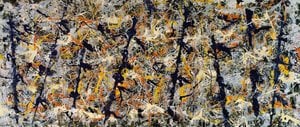
Grayed Rainbow

Пол Джаксън Полк е американски художник, пионер на абстрактния експресионизъм и известен с техниката си "дърпане" на боя върху платното. Неговите иконични картини са символ на революционен подход към изкуството и влияние върху съвременната художествена сцена.

Закупете дигитално изображение с висока резолюция и подобрени характеристики, значително по-добро от онлайн прегледа.

Всеки файл е щателно подготвен от нашите специалисти с помощта на съвременни инструменти и експертна ръчна ретуш. Гарантираме, че всяко изображение има изключителна яснота, прецизна цветова точност и фини детайли.

Окончателният файл се доставя по имейл в рамките на 72 часа, оптимизиран за незабавна употреба в професионални, редакционни и печатни среди. Това е същото качество, на което се доверяват водещи дизайнерски студия, издатели и галерии.

Дигитално изображение

Изтеглете файл с висока резолюция за лично показване, принтиране и творчески проекти.

Обща цена

$9.99

Включено във всяка поръчка за дигитални изображения

Експресна дигитална доставка, гарантирана

Когато изберете WahooArt.com, вие не получавате само изображение – вие получавате професионално подобрена дигитална творба, създадена с прецизност и подкрепена от гаранция за удовлетворение. Ето всичко, което автоматично се включва в вашата поръчка:

shipping_icon
Бърза доставка по имейл

Вашето дигитално изображение с висока резолюция ще ви бъде изпратено по имейл в рамките на 72 часа от поръчката - готово за незабавно използване.

canvas_icon
Дигитален файл с подобрено качество чрез изкуствен интелект

Вашата картина е професионално оптимизирана с помощта на усъвършенствани инструменти за изкуствен интелект и ръчна редакция, осигурявайки максимална детайлност, яснота и точност на цветовете.

insurance_icon
Безплатна доживотна повторна доставка

Изгубили сте или сте премахнали файла си по погрешка? Не се притежнявайте – ще го изпратим отново на Вас по всяко време, безплатно.

tax_icon
Без такки за мито - никога

Всредите си веднага без мита, данъци или такси по доставка - дигителните приложения винаги са без данъчно освободени.

color_icon
Гаранция за точност на цветовете

Гарантираме, че вашето дигитално изображение отразява оригиналните цветове възможно най-точно, използвайки професионални инструменти и управление на цветовете.

return_icon
Гаранция за удовлетвореност от 60 дни

Ако не сте доволни от вашето дигилно изображение, ще го коригираме или ще възмедим 100% в рамките на 60 дни – без никакви въпроси.

guarantee_icon
100% Гаранция за връщане на пари.

Не сте удовлетворени? Получавате пълно възстановяване на сумата в рамките на 60 дни след получаването на вашия цифров файл – без никакви въпроси.

discount_icon
Отстъпки за големи поръчки

Купете 3 изображения, спестете 10% - Купете 5, спестете 15% - Купете 10+, спестете 20%. Отлично за творчески проекти, галерии и агенства.

Бързи факти

  • Medium: Oil painting
  • Title: Grayed Rainbow
  • Year: 1953
  • Movement: Abstract Expressionism
  • Artistic style: Action Painting
  • Subject or theme: Color exploration
  • Influences:
    • Regionalist painters
    • Surrealism

Тест за изкуство

Има само един верен отговор за всеки въпрос.

Въпрос 1:
What artistic movement is Jackson Pollock most associated with?
Въпрос 2:
In what year was ‘Grayed Rainbow’ painted?
Въпрос 3:
What technique is Pollock primarily known for using in this painting?
Въпрос 4:
Where can you find ‘Grayed Rainbow’ displayed?
Въпрос 5:
What is a key characteristic of Abstract Expressionism that 'Grayed Rainbow' exemplifies?

Описание на колекционерския предмет

Grayed Rainbow

Jackson Pollock was a revolutionary figure in the abstract expressionist movement, reshaping artistic perception and challenging conventional notions of painting. His groundbreaking drip technique—characterized by pouring and splattering paint onto canvas—established him as one of the most influential artists of the 20th century, cementing his place in art history.

“The Grayed Rainbow,” painted in 1953, exemplifies Pollock’s distinctive style. This monumental canvas transcends mere visual representation; it embodies a profound exploration of emotion and process, inviting viewers into a dialogue with the artist's subconscious.

The Artist and His Style

Born Paul Jackson Pollock on January 28, 1912, in Cody, Wyoming, Pollock’s formative years were marked by nomadic experiences shaped by his father’s profession as a land surveyor. This itinerant upbringing instilled within him an inherent restlessness—a desire to break free from established boundaries and forge new artistic paths.

He pursued formal training at NYU and the Art Students League, absorbing foundational techniques while simultaneously rejecting academic constraints. Early influences included regionalist painters like Thomas Hart Benton and David Alfaro Siqueiros, alongside the stylistic explorations of Surrealism and Native American art—elements that would coalesce into Pollock’s singular vision.

The Painting: The Grayed Rainbow

“The Grayed Rainbow” is a testament to Pollock's mastery of drip painting. Measuring 68 x 104 inches, the canvas pulsates with dynamic energy as countless lines and shapes cascade across its surface. Paint was applied using a variety of methods—from forceful pours to delicate splatters—creating a textured tapestry that defies categorization.

Dominantly gray, punctuated by flashes of black, white, and orange, the painting speaks to themes of chance, spontaneity, and the inherent beauty found within imperfection. Pollock’s deliberate disregard for traditional compositional rules underscores his commitment to conveying raw emotion and capturing the immediacy of artistic creation.

Significance in Abstract Expressionism

“The Grayed Rainbow” stands as a cornerstone of abstract expressionism—a movement born from the anxieties and aspirations of postwar America. Artists like Pollock sought to liberate painting from representational constraints, prioritizing gesture and emotion over precise depiction.

Pollock’s exploration of color—particularly the subtle interplay between gray and hidden hues—reflects a fascination with both the natural world and psychological depth. The painting encourages contemplation on the relationship between form and feeling, inviting viewers to interpret its visual language as they see fit.

Discover more about abstract expressionism and other art movements on https://WahooArt.com.

Learn more about Jackson Pollock and his work on https://WahooArt.com.

Подобни произведения


Биография на художника

Early Life and the Seeds of Innovation

Paul Jackson Pollock, born in Cody, Wyoming, in 1912, was a restless spirit from the outset. His early life was marked by frequent relocation as his father pursued work as a land surveyor across the vast landscapes of the American West. This itinerant existence instilled in young Pollock a deep connection to the natural world and an exposure to diverse cultures, particularly through encounters with Native American art during those surveying trips – impressions that would subtly permeate his artistic vision later in life. Though he never explicitly imitated Indigenous styles, the raw energy and spiritual resonance of these early experiences undoubtedly left their mark. Pollock’s formal artistic training began at the Manual Arts High School in Los Angeles, followed by studies at the Art Students League of New York under the tutelage of Thomas Hart Benton. Benton, a prominent figure in the Regionalist movement, emphasized rhythmic composition and narrative themes rooted in American life. While Pollock initially absorbed these lessons, his inherent inclination leaned toward more abstract explorations. He was also profoundly impacted by Mexican muralists like José Clemente Orozco, whose powerful depictions of social struggle resonated deeply with him. These early influences laid a foundation, but it was the burgeoning world of Surrealism that truly unlocked Pollock’s artistic potential.

The Birth of Action Painting and a Revolutionary Technique

The 1930s saw Pollock experimenting with various techniques, seeking alternatives to traditional brushwork. He began pouring paint, exploring its fluidity and unpredictable nature. However, it was around 1947 that his artistic trajectory underwent a radical transformation. Abandoning the easel altogether, Pollock laid canvases directly on the floor, initiating what would become known as his “drip technique.” He then proceeded to drip, splash, and fling paint onto the canvas from above, orchestrating a dynamic dance between artist, medium, and surface. This wasn’t merely about applying paint; it was about embodying the act of creation itself. Pollock's canvases became arenas for physical expression, capturing the immediacy of his gestures and emotions. The resulting paintings are characterized by their “all-over” composition – a lack of central focus that invites the viewer to explore the entire surface as a unified field of energy. Intricate networks of lines and colors intertwine, creating a visual complexity that is both captivating and challenging. He employed unconventional tools—sticks, knives, even syringes—to manipulate the paint in unpredictable ways, further emphasizing the spontaneous nature of his process.
  • This technique was revolutionary because it rejected traditional brushwork.
  • It emphasized the physical act of painting as a performance.

Influences and Artistic Development

Pollock’s artistic development wasn't solely driven by experimentation. He drew inspiration from diverse sources, including the works of European masters like Picasso and Braque, as well as the vibrant murals of Mexican artists such as Diego Rivera. The influence of Surrealism, with its exploration of the subconscious and dreamlike imagery, also played a significant role in shaping his artistic vision. His exposure to Native American art during his father’s surveying trips instilled a deep appreciation for patterns, rhythms, and symbolic language – elements that subtly informed his abstract compositions. Key Influences:
  • Thomas Hart Benton (Regionalism)
  • José Clemente Orozco (Mexican Muralism)
  • Surrealism
  • Native American Art

Iconic Works and Lasting Legacy

Pollock’s most celebrated works—such as Number 1, 1950 (Lavender Mist), One: Number 31, 1950, Blue Poles: Number 11, 1952, and Convergence—are testaments to his revolutionary technique. These paintings are not simply images; they are records of a performance, imbued with the artist’s physical presence and emotional intensity. The dynamic energy that emanates from these canvases is palpable, drawing viewers into a world of pure abstraction. Notable Works:
  • Number 1, 1950 (Lavender Mist)
  • One: Number 31, 1950
  • Blue Poles: Number 11, 1952
  • Convergence
Pollock’s impact on the history of art is immeasurable. He fundamentally altered the way artists approached painting, breaking free from easel-based methods and embracing a more performative approach. His work helped solidify New York City's position as a global center for modern art, shifting the focus away from European dominance. His influence can be seen in the work of countless artists who followed, including those associated with Color Field painting and later forms of abstract expressionism.

A Complex Figure and Enduring Influence

Despite initial skepticism, Pollock’s work eventually gained widespread recognition and acclaim. He was a complex figure—a brilliant artist grappling with personal demons, including alcoholism. His untimely death in 1956 at the age of 44 only served to heighten his mystique and solidify his place as one of the most important artists of the 20th century. His legacy continues to inspire artists today, demonstrating the power of experimentation, emotional expression, and a willingness to challenge conventional artistic boundaries. His innovative techniques and expressive style ensure his enduring influence for generations to come.

Пол Джаксън Полк

Пол Джаксън Полк

1912 - 1956 , Съединени американски щати

Бързи факти

  • Artistic Movement Or Style: Абстрактен експресионизъм
  • Artists Or Movements Influenced By This Artist:
    • Цветно поле
    • Абстрактен експресионизъм
  • Artists Who Influenced This Artist:
    • Бентън
    • Орозко
    • Массон
  • Date Of Birth: 28 януари 1912
  • Date Of Death: 11 август 1956
  • Full Name: Paul Jackson Pollock
  • Nationality: Американски
  • Notable Artworks:
    • Lavender Mist
    • One: 31
    • Blue Poles
    • Convergence
  • Place Of Birth: Коди, САЩ