Биография на художника
Ранни години и формиране на художника
Пол Сезан, роден през 1839 г. в Екс-ан-Прованс, е фигура с огромно значение в историята на изкуството, свързваща импресионизма с кубизма. Неговият път не бил белязан от незабавен успех, а по-скоро от бавно и упорито търсене, изпълнено със съмнения и критика, което в крайна сметка промени хода на модерното изкуство. Сезан е роден в заможно семейство – баща му първоначално бил шапкар, а по-късно банкер – което му осигурило финансова стабилност, необичайна за стремящите се художници. Това му позволило да посвети живота си на страстта си без непосредствения натиск на комерсиалния успех. Въпреки първоначалното желание на баща му да го насочи към юридическа кариера, влечението към изкуството надделяло и той изоставил правото в полза на живописта – решение, което определило живота му. Ранните влияния включвали романтизма, популярен през младостта му, и отдадеността на пейзажа от Барбизонската школа, но именно срещите с художници като Пол Гоген и Жорж Серат, и техните новаторски подходи към цвета и формата, помогнали на Сезан да изгради свой собствен уникален път.
От тъмнината към структурата: Еволюция на стила
Ранните творби на Сезан често отразявали драматичните, емоционално заредени теми, характерни за романтичната живопис – тъмни палитри и експресивна четка. Този начален период обаче бил само стъпало към много по-аналитичен и новаторски подход. Недоволен от простото улавяне на мимолетните впечатления от светлината, както предпочитали импресионистите, Сезан се впуснал в търсене на разбирането и представянето на основната структура на самите обекти. Той не искал само *какво* вижда, а *как* възприема фундаменталните форми, които съставляват реалността. Това го накарало да разложи естествените форми на техните геометрични еквиваленти – конуси, цилиндри, сфери – предвиждайки кубистичната революция десетилетия преди нейното осъществяване. Неговата техника се характеризирала с малки, повтарящи се щрихи, прецизно насложени за изграждане на сложни полета от цвят и текстура, създавайки усещане за солидност и дълбочина, невиждано дотогава в живописта. Той не се интересувал от илюзорното пространство; вместо това често представял обектите от множество гледни точки едновременно, предизвиквайки традиционните представи за перспектива и принуждавайки зрителя да участва активно в конструирания характер на неговите композиции. Това умишлено изкривяване не било произволно, а опит да се предаде по-пълно разбиране на формата, представяйки не само един момент във времето, но и синтез на възприятието.
Пейзажи, натюрморти и човешката форма: Ключови творби и повтарящи се мотиви
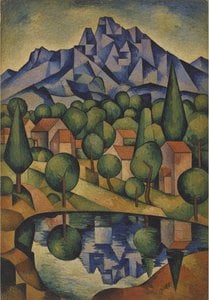
Творчеството на Сезан е забележително разнообразно, обхващащо пейзажи, натюрморти, портрети и изображения на къпещи се жени, но всички са обединени от неговия уникален подход към формата и цвета. Езерото в Жа де Буфан, нарисувано през 1880 г., е пример за пейзажната му работа, демонстрирайки способността му да улови същността на природата чрез внимателно подреждане на форми и тонове. Портрет на Емил Зола, създаден през 1866 г., разкрива развиващия се стил на художника и предлага завладяващ поглед върху интелектуалната интензивност на неговия близък приятел и писател. Неговите натюрморти, като тези с ябълки и други плодове, не са просто представяния на обекти, а изследвания на обема, светлината и пространствените взаимоотношения. Серията Света планина Виктуар се превърнала в мания за Сезан – повтарящ се мотив, който му позволил да разследва безмилостно формата и перспективата в продължение на десетилетия. Тези картини не са просто изображения на планина; те са изследвания върху това как възприемаме дълбочината, обема и взаимодействието на светлината и сянката. И накрая, неговите серии с Къпещи се жени, изобразяващи голи фигури в идилични пейзажи, представляват задълбочено изследване на човешката форма и нейната връзка с природата, често изпълнени със смисъл за вечност и тиха съзерцание.
Наследство, ковано в иновации: Влиянието на Сезан върху модерното изкуство
Въздействието на Пол Сезан върху следващите поколения художници е неизмеримо. Той е широко признат за „бащата на модерното изкуство“ заради новаторния си принос към пикториалния език, проправяйки пътя за много от основните художествени движения на 20-ти век. Пабло Пикасо и Жорж Брак били дълбоко задължени на Сезан за акцента му върху геометричните форми и множество гледни точки, които се превърнали в централни принципи на кубизма. Смелата му употреба на цвят също вдъхновила движението на фовистите, водено от художници като Анри Матис, който възприел ярки, неестествени нюанси. Дори сюрреалистите открили резонанс в изследването на Сезан на субективното възприятие и психологическата дълбочина. Отвъд конкретните движения, настояването на Сезан за личния поглед на художника и отхвърлянето му на традиционните академични ограничения освободили поколения художници да изследват нови форми на изразяване. Той оспорил самото определение за представяне, измествайки фокуса от имитирането на реалността към конструирането на визуално преживяване, основано на основната структура и субективно възприятие. Неговата смърт през 1906 г. не ознаменувала край, а начало – зората на нова ера в историята на изкуството, дълбоко оформена от неговото революционно виждане.



 Преглед в реален мащаб
 Избор на принт
 Сподели
 Сподели
 Подробности
 Ръководство

 Изтегляне
 Подобни артикули
 Рентгенова снимка
 Слайдшоу
 Статистика


 Разгърни целия текст






































 Опцията със стъкло е налична само за размери под 110 см