x
Представи си гоПредстави си го AR прегледAR преглед Купете принт Купете принтКупете ръчно рисувана картина Купете ръчно рисувана картина ИзпратиИзпрати
ДетайлиДетайли Добавяне към любими Добавяне към любими ИзтеглянеИзтегляне ПодобниПодобни Рентгенова снимкаРентгенова снимка СлайдшоуСлайдшоу

Lute Player

Explore Orazio Gentileschi’s ‘The Lute Player’ (1626) – a Baroque masterpiece! Dramatic lighting, rich detail & Caravaggio influence. Discover this iconic portrait now.

Метро описание: Оrazio Gentileschi е италиански барокков художник, известен със своите драматични композиции и ярки цветове, които съчетават влиянието на Караваджо и майсторството на манеристичната школа. Най-значимите му творби включват "Даная", Благовещението и Девата Мария.

Закупете дигитално изображение с висока резолюция и подобрени характеристики, значително по-добро от онлайн прегледа.

Всеки файл е щателно подготвен от нашите специалисти с помощта на съвременни инструменти и експертна ръчна ретуш. Гарантираме, че всяко изображение има изключителна яснота, прецизна цветова точност и фини детайли.

Окончателният файл се доставя по имейл в рамките на 72 часа, оптимизиран за незабавна употреба в професионални, редакционни и печатни среди. Това е същото качество, на което се доверяват водещи дизайнерски студия, издатели и галерии.

Дигитално изображение

Изтеглете файл с висока резолюция за лично показване, принтиране и творчески проекти. (Купете принт Купете принтКупете ръчно рисувана картина Купете ръчно рисувана картина)

Обща цена

$ 24,90

Включено във всяка поръчка за дигитални изображения

Експресна дигитална доставка, гарантирана

Когато изберете WahooArt.com, вие не получавате само изображение – вие получавате професионално подобрена дигитална творба, създадена с прецизност и подкрепена от гаранция за удовлетворение. Ето всичко, което автоматично се включва в вашата поръчка:

shipping_icon
Бърза доставка по имейл

Вашето дигитално изображение с висока резолюция ще ви бъде изпратено по имейл в рамките на 72 часа от поръчката - готово за незабавно използване.

canvas_icon
Дигитален файл с подобрено качество чрез изкуствен интелект

Вашата картина е професионално оптимизирана с помощта на усъвършенствани инструменти за изкуствен интелект и ръчна редакция, осигурявайки максимална детайлност, яснота и точност на цветовете.

insurance_icon
Безплатна доживотна повторна доставка

Изгубили сте или сте премахнали файла си по погрешка? Не се притежнявайте – ще го изпратим отново на Вас по всяко време, безплатно.

tax_icon
Без такки за мито - никога

Всредите си веднага без мита, данъци или такси по доставка - дигителните приложения винаги са без данъчно освободени.

color_icon
Гаранция за точност на цветовете

Гарантираме, че вашето дигитално изображение отразява оригиналните цветове възможно най-точно, използвайки професионални инструменти и управление на цветовете.

return_icon
Гаранция за удовлетвореност от 60 дни

Ако не сте доволни от вашето дигилно изображение, ще го коригираме или ще възмедим 100% в рамките на 60 дни – без никакви въпроси.

guarantee_icon
100% Гаранция за връщане на пари.

Не сте удовлетворени? Получавате пълно възстановяване на сумата в рамките на 60 дни след получаването на вашия цифров файл – без никакви въпроси.

discount_icon
Отстъпки за големи поръчки

Купете 3 изображения, спестете 10% - Купете 5, спестете 15% - Купете 10+, спестете 20%. Отлично за творчески проекти, галерии и агенства.

Бързи факти

  • Influences: Caravaggio
  • Movement: Baroque
  • Notable elements or techniques: Dramatic lighting; Rich detail; Caravaggio influence
  • Title: The Lute Player
  • Subject or theme: Musical activity; Contemplation
  • Medium: Oil on canvas
  • Artist: Orazio Gentileschi

Тест за изкуство

Има само един верен отговор за всеки въпрос.

Въпрос 1:
What artistic movement is Orazio Gentileschi’s ‘The Lute Player’ primarily associated with?
Въпрос 2:
Which artist heavily influenced Gentileschi's style, particularly his use of dramatic lighting and realism?
Въпрос 3:
What is the dominant color tone in ‘The Lute Player’?
Въпрос 4:
The painting depicts a young woman engaged in what activity?
Въпрос 5:
What technique is Gentileschi known for employing to achieve luminosity and depth in his paintings?

A Symphony of Light and Shadow

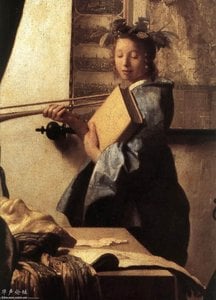
In the quietude of Orazio Gentileschi’s “The Lute Player,” one does not merely observe a scene; one enters a moment of profound, suspended animation. Painted during the vibrant dawn of the Baroque era, around 1612–1615, this masterpiece serves as a breathtaking window into the soul of the seventeenth century. The central figure, a young woman lost in the delicate melodies of a psaltery, embodies a sense of introspective grace that transcends the canvas. As she leans into her instrument, her focus is so absolute that the world around her seems to dissolve, leaving only the resonance of a single, perfect note. For the discerning collector or interior designer, this piece offers more than decoration; it provides an anchor of tranquility and intellectual depth, making it a sublime addition to any space dedicated to contemplation and refined taste.

The brilliance of the work lies in its masterful command of chiaroscuro, a technique heavily inspired by the revolutionary Caravaggio. Gentileschi does not simply use light to illuminate; he uses it to sculpt. Dramatic shadows dance across the textured backdrop, emerging from deep, earthy umbers to highlight the luminous contours of the woman’s face and the delicate folds of her gown. This interplay of brilliance and obscurity creates a palpable sense of three-dimensionality, pulling the viewer into the intimate atmosphere of the room. The color palette is a sophisticated harmony of warm ochres and rich browns, punctuated by the cool, ethereal blues of her attire, creating a visual rhythm that mirrors the music being played.

Symbolism and the Art of Devotion

Beyond its striking visual surface, “The Lute Player” is a tapestry of symbolic meaning. The psaltery—a precursor to the lute—is far more than a mere musical prop; in the Baroque lexicon, it serves as a potent emblem of harmony, learning, and spiritual devotion. The meticulous way Gentileschi renders the instrument, with its polished surfaces and intricate details, suggests a reverence for the discipline required to master such an art. The woman’s posture, characterized by a quiet diligence, invites the viewer to reflect on the pursuit of beauty and the importance of finding stillness within a chaotic world.

Every brushstroke contributes to this narrative of emotional depth. Through the skillful application of layering and glazing, the artist achieves a luminous quality that makes the fabric appear soft to the touch and the wood of the instrument glow with an inner light. This technical virtuosity ensures that a high-quality reproduction retains the soul of the original, capturing the rich textures and the heavy, atmospheric mood that defines the Italian Baroque. Whether placed in a grand library or a contemporary living space, this painting acts as a conversation piece, evoking a sense of history, elegance, and an enduring passion for the arts.


Биография на художника

A Tuscan Dawn: The Life and Art of Orazio Gentileschi

Born in 1563 amidst the rolling hills of Tuscany, Orazio Gentileschi embarked on a journey that would see him become a pivotal figure in the transition from Mannerism to Baroque painting. Initially known as Orazio Lomi, he gravitated towards Rome, then the epicenter of artistic innovation, where he honed his skills within the workshops of Cola dell’Amata and absorbed the architectural sensibilities of Francesco da Sangallo. These early influences instilled in him a meticulous attention to form and composition, characteristics that would remain hallmarks of his style even as it dramatically evolved. Gentileschi’s initial work often involved contributing figures to larger decorative schemes conceived by other artists – a formative experience that taught him collaboration and adaptability, yet also hinted at a burgeoning ambition for independent expression. He began his career in Florence, mastering the techniques of painting within the established conventions of Mannerism, producing works characterized by their refined detail and balanced compositions.

Embracing the Shadow: Caravaggio's Influence and Artistic Development

The turn of the 17th century marked a turning point in Gentileschi’s artistic trajectory. The revolutionary naturalism of Caravaggio burst onto the Roman art scene, challenging established conventions with its dramatic use of light and shadow – *tenebrism* – and unflinching realism. Gentileschi was profoundly affected by this seismic shift, adopting elements of Caravaggio's style into his own work. However, he wasn’t merely an imitator; rather, he filtered Caravaggio’s innovations through his existing artistic sensibilities. While retaining the dramatic intensity, Gentileschi softened the harshness of Caravaggio’s *tenebrism*, introducing a lighter palette and a more refined approach to detail. This resulted in paintings that possessed both emotional power and elegant grace – a unique synthesis that distinguished him from his contemporaries. Biblical scenes and mythological narratives became frequent subjects, allowing Gentileschi to explore themes of faith, heroism, and human vulnerability with compelling visual storytelling. His use of dramatic gestures, intense expressions, and carefully rendered figures captured the spirit of Caravaggio while maintaining a distinctly personal style.

A Courtly Wanderer: From Paris to London

Gentileschi’s artistic reputation extended beyond Italy's borders. His talent attracted the patronage of powerful figures, leading him on a peripatetic journey through Europe. He spent time at the court of Marie de' Medici in Paris, where his refined style resonated with the Queen’s taste for elegance and sophistication. This period saw a further evolution in his work, characterized by increasingly elaborate compositions and a heightened sense of decorum. He also worked briefly in Genoa and later in London, adapting his style to suit the tastes of various aristocratic patrons. However, it was his invitation to England in 1626 that would define the final chapter of his career. Appointed court painter to Charles I, Gentileschi became one of the first major exponents of Caravaggism in Britain, significantly influencing the development of English Baroque painting. He undertook ambitious projects, including a series of ceiling paintings for Greenwich Palace (now Marlborough House), showcasing his mastery of large-scale decorative schemes and solidifying his position as a leading artist of his time.

Legacy and Lasting Impact

Orazio Gentileschi’s contributions to the world of art are multifaceted. He bridged the gap between Mannerism and Baroque, absorbing the innovations of Caravaggio while forging his own distinctive style. His use of vibrant colors, dramatic compositions, and refined technique influenced a generation of artists across Europe. He was instrumental in introducing Caravaggism to England, leaving an indelible mark on the artistic landscape there. But perhaps his most enduring legacy lies in his daughter, Artemisia Gentileschi. Trained in her father’s studio, she emerged as one of the most celebrated female painters of the Baroque era, carrying forward the family's artistic tradition and achieving renown in her own right. Today, Gentileschi’s works are held in prestigious museums and galleries worldwide – from the Uffizi Gallery in Florence to the Accademia Gallery in Venice – testaments to his enduring brilliance and lasting impact on the history of art. His paintings continue to captivate viewers with their emotional depth, technical virtuosity, and timeless beauty.
  • Major Works: “Danae”, "The Annunciation", "The Virgin Mary"
  • Key Influences: Mannerism, Caravaggio
  • Artistic Style: Baroque, Dramatic compositions, Bright colors.

Оrazio Джентилески

Оrazio Джентилески

1563 - 1639 , Италия

Бързи факти

  • Artistic Movement Or Style: Барокко, Караваджизъм
  • Artists Or Movements Influenced By This Artist:
    • Манеризъм
    • Бароков изкуство
  • Artists Who Influenced This Artist:
    • Караваджо
    • Франческо да Сагалo
  • Date Of Birth: 1563
  • Date Of Death: 1639
  • Full Name: Orazio Gentileschi
  • Nationality: Италианец
  • Notable Artworks:
    • Даная
    • Анунциация
    • Дева Мария
  • Place Of Birth: Тусене, Италия