-
Купи
Картини по индивидуална поръчка Персонализирани арт принти Превърнете вашата снимка в художествено шедьовър Пазарувайте по тема Пазарувайте по стаи Асистент по декориране: Всекидневна Асистент за декориране: Офис Пазарувайте по повод Купете налични картини Купете нашите творенияРазгледайте партньорските ателиета Арт аукциони Получете безплатни предложения за изкуство Ръководство за колекционери: Изборът на Вашето първо шедьовър Ръководство за декориране с репродукции Услуги за подаръци Ръководство за корпоративно подаряване на произведения на изкуството Моята количка Моят табло, Любими, Поръчки
-
Художници
Всички автори Топ 100 художника Според художените епохи По азбучен ред Всички видове техники Всички видове материали По страна на раждане Според исторически период Според емоционалното настроение Според емоционалния тон Според етапи от творческата кариераСпоред цветовете на произведенията По година на раждане Според интензитета на цветовете Според творческото наследство Знаменити художници, променили света Издигането на жените художници Майсторите на Ренесанса Поръчване на творби днес Как работим с частни колекционери Създаване на портфолио от произведения на изкуството за корпоративни клиенти
- Произведения на изкуството
- Техники и стилове
- Музеи
-
Статии
Всички статии Топ 100 статии По ключови думи По категории Според тона Хронология на историята на изкуството Основи на колекционирането на изкуство Разбиране на художествените направления Шедьоври през историятаЦвят и емоция в изкуството Изкуство в дома: идеи за подреждане Изкуство и емоция: Декориране чрез атмосфера и настроение Ръководства за декориране по стаи Кураторски сезонни колекции Изкуството като инвестиция Корпоративно изкуство: Вдъхнете креативност във Вашия офис Подаръци за сватба и юбилей Истории и отзиви на клиенти
-
Услуги
От снимка на картина От снимка до арт принт Вашата снимка като шедьовър на изкуството Арт консиерж Поискайте ценова оферта Частни VIP поръчки Оценка на произведения на изкуството Продавайте като галерия Безплатна селекция от произведения на изкуството Получете безплатни предложения за произведения на изкуството От снимка до картина: Пътят на персонализираните портрети Техника на рисуване


 Преглед в реален мащаб
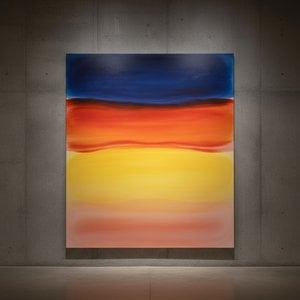
 Поръчайте ръчно рисувано репродукция на този колекционерски предмет
 Сподели
 Сподели
 Подробности
 Ръководство

 Изтегляне
 Подобни артикули
 Рентгенова снимка
 Слайдшоу
 Статистика
 Разгърни целия текст






































 Опцията със стъкло е налична само за размери под 110 см