Mark Rothko’s ‘The Source’: A Meditation on Loss and Transcendence
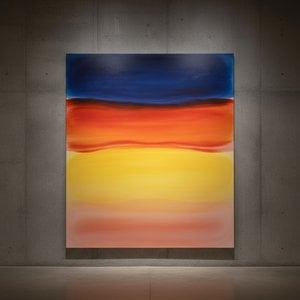
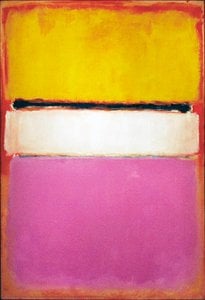
Mark Rothko's 1946 painting, “The Source,” is more than just a depiction of a boat on the water; it’s a profoundly moving exploration of existential themes – loss, memory, and the enduring human search for meaning. Executed during a pivotal period in his career, this work exemplifies Rothko’s signature style: large-scale color field paintings that evoke intense emotional responses through layered blocks of pigment. The painting's deceptively simple subject matter—a lone vessel navigating a vast expanse of blue water with two prominent sails – belies the complex psychological landscape it represents.
- Subject Matter and Composition: The central focus is undeniably the boat, rendered in dark hues that suggest both vulnerability and resilience. Its placement in the middle of the composition immediately draws the viewer’s eye, creating a sense of isolation yet also inviting contemplation. The two sails, positioned diagonally across the canvas, contribute to the dynamic movement within the stillness of the ocean.
- Color Field Technique: Rothko's masterful use of color is central to the painting’s impact. He employs broad, rectangular blocks of red, blue, and black, allowing the colors to bleed into one another, creating a shimmering effect that seems to vibrate with energy. This technique, characteristic of his mature style, aims to bypass conscious thought and directly engage the viewer's emotions.
Historical Context and Rothko’s Vision
Created in 1946, “The Source” emerged from a period of intense artistic experimentation following World War II. The post-war era was marked by a profound sense of disillusionment and anxiety, themes that resonated deeply with artists like Rothko. Born in Latvia (then part of the Russian Empire) in 1903, Rothko’s early life was shaped by displacement and hardship – his family's emigration to Portland, Oregon, in 1913 following his father’s death, further solidified these experiences. This background profoundly influenced his artistic vision, fueling a preoccupation with themes of mortality, trauma, and the human condition. The painting can be seen as a direct response to this emotional landscape, reflecting a desire to grapple with profound questions about existence.
- Abstract Expressionism: Rothko is considered a key figure in the Abstract Expressionist movement, though his approach differed significantly from some of his contemporaries. He rejected representational imagery altogether, focusing instead on the expressive potential of color and form.
- Influence of Spiritual Thought: While Rothko himself rarely spoke explicitly about his influences, many scholars believe that he was deeply affected by Eastern religious traditions, particularly Zen Buddhism, which emphasized meditation and the transcendence of the ego.
Symbolism and Emotional Impact
The imagery within “The Source” is rich with symbolic potential. The boat itself can be interpreted as a metaphor for the human soul navigating the turbulent waters of life. The vastness of the ocean represents the unknown, while the birds soaring above suggest hope and aspiration. The red sail, particularly prominent in the composition, often associated with passion, sacrifice, and perhaps even blood – alluding to Rothko’s own experiences with loss and suffering. The overall effect is one of quiet contemplation and profound sadness, inviting viewers to confront their own mortality and grapple with the complexities of human existence.
- Emotional Resonance: Rothko's paintings are renowned for their ability to evoke powerful emotional responses in viewers. The large scale and intense colors create an immersive experience that can be both unsettling and deeply moving.
- Legacy: “The Source” exemplifies Rothko’s enduring legacy as one of the most influential artists of the 20th century, whose work continues to resonate with audiences today.
Specifications
Title: The Source
Artist: Mark Rothko
Year: 1946
Size: 111 x 81 cm
Medium: Oil on Canvas
Condition: Hand-Painted Reproduction – Faithful Recreation of Original Artwork



 Купи принт
 Изпрати
 Сподели
 Детайли

 Изтегляне
 Подобни
 Рентгенова снимка
 Слайдшоу


 Прочетете повече






































 Стъклото е налично само в размери под 110 см