БЕЗПЛАТНА КОНСУЛТАЦИЯ ЗА ИЗКУСТВО

x
Купи картина Купи картинаКупи изображение Купи изображение ИзпратиИзпрати
DetailsDetails Добавяне към любими Добавяне към любими ИзтеглянеИзтегляне ПодобниПодобни X-RayX-Ray СлайдшоуСлайдшоу

Composition

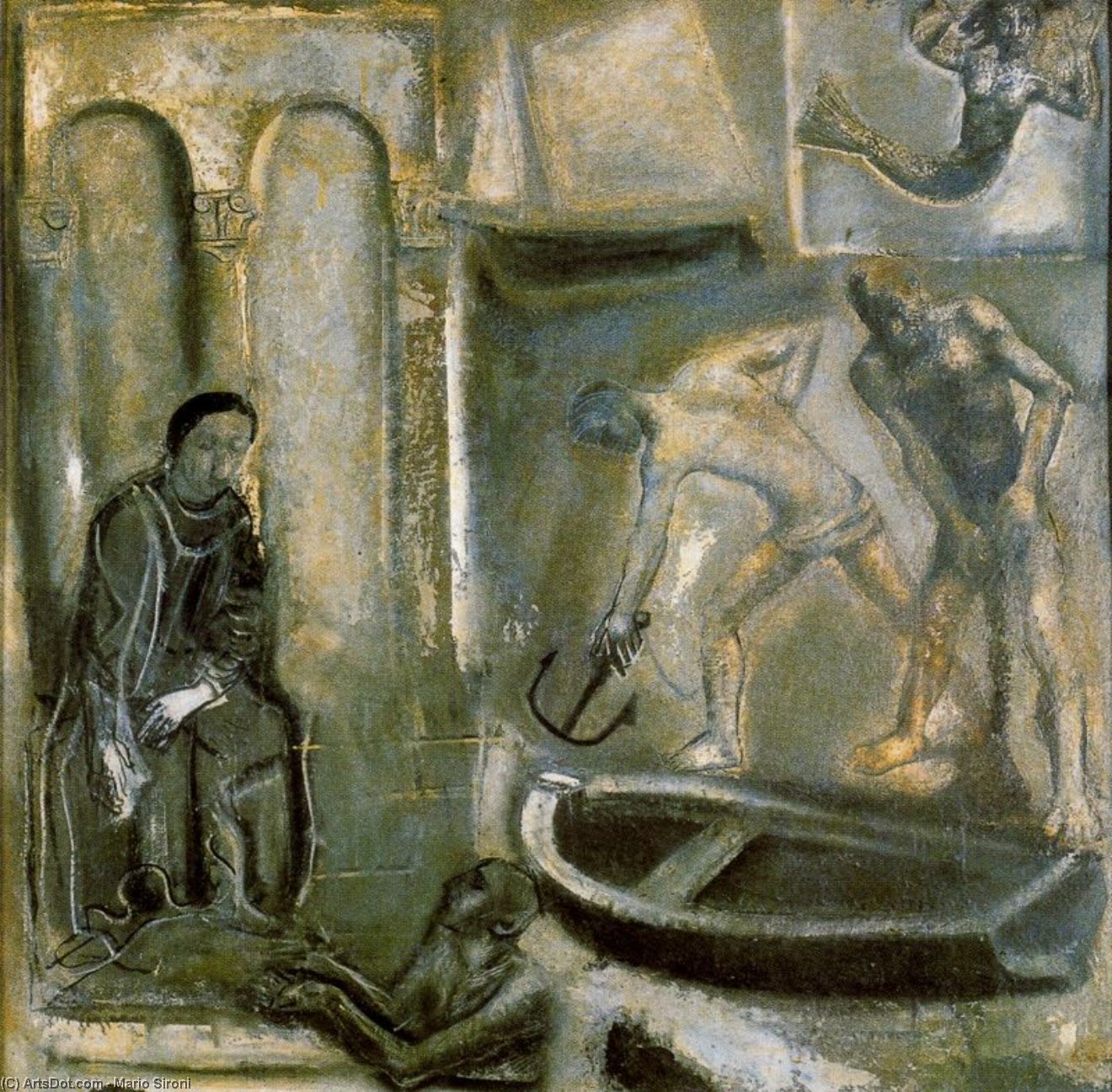
"meta_description": "Марио Сирони (1885-1961) е италиански модернист, известен с масивните геометрични форми и тъмните, самотни пейзажи. Негови творби са отражение на италианската идентичност и социални проблеми."

Жикле / Художествен принт

Giclée печат или принт върху платно с музейно качество, бързо производство и гъвкави опции за завършен вид.

Standard
custom
CM
INCH

Изберете от предварително зададените размери, които съответстват на оригиналните пропорции на произведението.

ширина
височина

Можете да въведете собствени размери, за да паснат на конкретна рамка или пространство. Ако избраният от Вас размер не съвпада с пропорциите на оригиналното изображение, ние ще изрежем произведението или ще разширим изображението с огледален или едноцветен ръб. Дигитален макет ще бъде изпратен за Ваше одобрение преди започването на производството.
Моля, имайте предвид, че предпрегледът на екрана не отразява реалното изрязване или разширяване. Само макетът ще покаже точно финалната композиция.
Въпреки че са налични персонализирани размери, препоръчваме да изберете размер от предварително дефинирания списък, за да запазите оригиналните пропорции.

Доставка по целия свят () в рамките на 2 седмици вместо стандартните 4/5 седмици. (2 Юли)

why_choose_icon
Безплатна експресна доставка по целия свят
why_choose_icon
Висококачествено ленено платно
why_choose_icon
Пълно застраховане при доставка
why_choose_icon
Гаранция за възстановяване на митнически такси
why_choose_icon
Гаранция за цветова точност
why_choose_icon
60-Дневен период за връщане (Само при дефекти)
why_choose_icon
100% Гаранция за връщане на парите
why_choose_icon
Предложение за отстъпка при поръчка на едро

Обща цена

-

reproduction

Composition

Жикле / Художествен принт

Размер на репродукцията

-

Обща цена

-


Биография на художника

Mario Sironi: A Pioneer of Italian Modernism – Form, Isolation, and the Echoes of a Nation

Mario Sironi, born in Sassari on May 12th, 1885, stands as one of the most compelling figures in the evolution of Italian modern art. His life, inextricably linked to the tumultuous shifts of early 20th-century Italy – from the fervor of Futurism to the somber realities of Fascist rule – is reflected in a body of work characterized by monumental forms, stark geometries, and an underlying current of profound solitude. Initially destined for a career in engineering at the University of Rome, Sironi’s artistic journey began with a dramatic rejection of rational order, fueled by a nervous breakdown that irrevocably altered his path. This pivotal moment led him to the Scuola Libera del Nudo at the Accademia di Belle Arti di Roma, where he found his first true mentor in Giacomo Balla – an encounter that would profoundly shape his early artistic sensibilities. Sironi’s formative years were deeply influenced by Divisionism, a technique emphasizing the separation of colors to create luminous effects. His early paintings, such as “The Student,” demonstrate this meticulous approach, showcasing a delicate balance between realism and abstraction. However, Sironi's artistic trajectory took an unexpected turn with his brief but significant involvement in Futurism around 1914. He embraced the movement’s dynamism and celebration of speed, exhibiting at the Galleria Sprovieri in Rome. Yet, this initial foray proved fleeting; disillusioned by what he perceived as its superficiality, Sironi quickly distanced himself from the Futurist aesthetic, embarking on a period of intense introspection and stylistic experimentation. The aftermath of World War I marked a watershed moment in Sironi’s artistic development. The horrors witnessed during the conflict profoundly impacted his psyche, leading to a shift towards a distinctly melancholic and isolating style. He began to explore massive, immobile forms – colossal figures rendered with deliberate awkwardness – that seemed to embody the weight of human experience. These monumental shapes, often presented against stark, geometric backgrounds, conveyed a sense of detachment and alienation, reflecting Sironi’s own feelings of isolation in a rapidly changing world. This period was heavily influenced by his exposure to the metaphysical paintings of Giorgio de Chirico and Carlo Carrà, whose exploration of dreamlike spaces and symbolic imagery resonated deeply with Sironi's evolving artistic vision. Furthermore, he drew inspiration from Neoclassical and Primitivist Classicism, seeking a connection to enduring forms and timeless beauty amidst the chaos of modernity. In 1922, Sironi became a founding member of the Novecento Italiano movement – a reaction against the perceived excesses of Futurism and an embrace of order, clarity, and tradition in post-war European art. This movement sought to restore a sense of stability and purpose after the upheaval of the war years. Sironi’s mature style during this period is characterized by a deliberate simplification of forms, a rejection of overt emotional expression, and a focus on industrial landscapes and the lives of working-class people. Notable works from this era include “Venere” (1921-1923) – a powerful depiction of female beauty rendered in monumental scale – and “Solitudine” (“Solitude,” 1925), which encapsulates his signature themes of isolation and existential angst. Despite the artistic recognition he garnered, Sironi’s career was inextricably linked to the political climate of Fascist Italy. He became a supporter of Benito Mussolini and contributed extensively to Fascist publications with over 1700 cartoons, often depicting idealized images of Italian strength and national unity. While his artistic output during this period reflected the prevailing ideological currents, it's crucial to acknowledge the complexities surrounding his relationship with Fascism. Following World War II, Sironi’s association with the regime led to a decline in critical acclaim and public recognition. He largely withdrew from public life, continuing to paint in relative isolation until his death on August 13th, 1961, in Milan. Mario Sironi's legacy extends far beyond his individual works; he represents a pivotal moment in the development of Italian Modernism. His exploration of themes such as solitude, alienation, and the human condition resonated deeply with the anxieties and uncertainties of the 20th century. Despite the controversies surrounding his political affiliations, Sironi’s art continues to be exhibited internationally – at institutions like the Centre Georges Pompidou in Paris and the Royal Academy in London – solidifying his place as a significant and enduring figure in the history of Italian art. His unique synthesis of form, emotion, and social commentary offers a profound reflection on the complexities of the modern experience.
Марио Сирони

Марио Сирони

1885 - 1961 , Италия

Бързи факти

  • Artistic Movement Or Style: Новеченто Италиано, Модернизъм
  • Artists Or Movements Influenced By This Artist: ['Футуризъм']
  • Artists Who Influenced This Artist: ['Джакомо Бала']
  • Date Of Birth: 12 май 1885 г.
  • Date Of Death: 13 август 1961 г.
  • Full Name: Mario Sironi
  • Nationality: Италиански
  • Notable Artworks:
    • Венера
    • Одиночество
  • Place Of Birth: Сасари, Италия
Разгледайте произведения на изкуството, организирани по теми, стилове и характеристики.