Биография на художника
A Renaissance Master of Saxony: The Life and Art of Lucas Cranach the Elder
Lucas Cranach the Elder, роден в Kronach, Германия около 1472 г., е ключова фигура на немския Ренесанс. Животът му се развиваше по времето на огромни религиозни и политически сътресения, а неговото изкуство бе неразривно свързано както с възникващата Протестантска Реформация, така и с луксозните дворове, които обслужваше. Първоначално обучен от баща си, Ханс Малер, ранното му развитие като художник е донякъде засенчено от мистерия, макар че влиянията на южногерманските майстори са очевидни в развиващия се му стил. Той бързо се открои не само като умел занаятчия, но и като артист способен да улавя психологическа дълбочина заедно с технична прецизност – качества, които скоро привличат вниманието на влиятелни покровители. През 1504 г. той влиза в служба на Фридрих III, Електор на Саксония, връзка, която определя голяма част от кариерата му и му осигурява както стабилност, така и достъп до влиятелни кръгове. Това назначаване като краен художник във Виттенберг не беше просто за производство на декоративни произведения; то го постави в сърцето на една от най-трансформиращите се движения в европейската история.
Patronage, Reformation, and Artistic Innovation
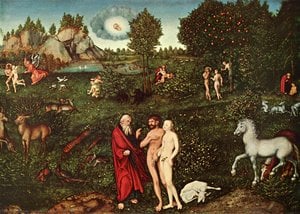
Позицията на Cranach в саксонския двор се оказа ключова не само за неговия препитание, но и за неговото развитие като художник. Той не просто документираше събития; активно формира визуални наративи по времето на дълбоки промени. Най-трайното му наследство е безспорно близостта му с Мартин Лутер, централната фигура на Протестантската Реформация. Cranach създаде не по-малко от десет портрета на Лутер, всеки от които предлага уникален поглед върху личността и развиващата се роля на реформатора. Тези изображения не бяха просто литографии; те бяха внимателно конструирани образи, предназначени да прожектират авторитет, пиетизъм и интелектуална сила – основни качества за лидер, предизвикващ установения религиозен ред. Отвъд портретите, Cranach създава визуални интерпретации на Реформацията, произвеждайки гравюри и картини, които разпространяват протестантските идеи широко. Представянията му на библейски сцени се отклоняват от традиционната католическа иконография, подчертавайки директното взаимодействие със Светото Писание и насърчавайки по-лично отношение между зрителя и вярата. „Анунциацията на Йоаким“, например, излъчва радостна атмосфера, отразяваща новия акцент върху индивидуалната пиетизъм в реформираната църква. Този иновативен подход се разширяваше отвъд религиозните теми; митологичните картини на Cranach, като изображения на Венера и други класически фигури, често носеха алегорични значения, свързани с актуалните политически и социални въпроси.
Style and Technique: A Workshop Dynasty
Lucas Cranach the Elder не беше изолиран художник, работещ сам по себе си. Той управляваше изключително продуктивна работилница, на която служиха множество асистенти и ученици, които допринесоха значително за неговия обем от произведения. Този съвместен подход означаваше, че много от творбите, приписани на Cranach, бяха произведени под негово ръководство или от членовете на неговата кръга – включително неговият син, Лукас Кранах по-младши. Работилницата на Кранах стана известна със своя отличителен стил: елегантни фигури с удължени пропорции, ярки цветове и прецизна детайлност. Неговата техника включваше комбинация от маслени картини, дърворезба и гравиране, което му позволява да достигне широка аудитория чрез както оригинални произведения на изкуството, така и достъпни отпечатъци. „Търсенето на елените“ е пример за неговото майсторство в стила на Северния Ренесанс, демонстрирайки реалистични детайли заедно с благородни символи. Композицията е динамична, улавяйки енергията на ловът, като същевременно изразява властта и статуса на елетора. Неговата употреба на светлина и сянка създава усещане за дълбочина и атмосфера, привличайки зрителя в сцената. Неговите портрети са също толкова убедителни, характеризиращи се с психологическа проницателност и прецизно изпълнение.
Legacy and Enduring Influence
Lucas Cranach the Elder почина през 1553 г., оставяйки след себе си изключителна художествена наследство, което продължава да резонира днес. Той беше майстор на портретите, умел интерпретатор на религиозни теми и проницателен бизнесмен, който разбираше силата на визуалната комуникация. Неговата работа не само отразява културните и интелектуалните течения на неговото време, но и помогна да ги оформи. Работилницата на Кранах продължи да процъфтява след смъртта му, гарантирайки, че неговият стил и техники бяха предавани на поколения. Неговата влияние се вижда в творбите на многобройни художници от по-късно време, а неговите картини остават високо ценени от колекционери и музеи по целия свят. От емблематичните портрети на Мартин Лутер до очарователните митологични сцени, изкуството на Кранах предлага завладяващ прозорец към света на немския Ренесанс – свят, характеризиран от дълбоко духовно съмнение и художествена иновация. Неговата способност да комбинира религиозен фанатизъм, политически хъб и художелен талант затвърди неговото място като един от най-важните художници на неговата епоха, а неговите приноси продължават да вдъхновяват и очарова публиката векове по-късно.



 Представи си го
 Превключване към принт
 Изпрати
 Сподели
 Детайли

 Изтегляне
 Подобни
 Рентгенова снимка
 Слайдшоу
 Статистика


 Прочетете повече






































 Стъклото е налично само в размери под 110 см