Преглед в реален мащаб Преглед с AR Избор на принт Превключване към дигитално изображение Сподели
Подробности Ръководство Добави в любими Изтегляне Подобни артикули Рентгенова снимка Слайдшоу Статистика

Stable at Cuenca

John Singer Sargent's "Stable at Cuenca" captures a serene moment of horses and people within a rustic stable. This oil painting showcases the artist’s masterful technique & evocative light, reflecting Gilded Age elegance.

Джон Сингер Сърджънт е американски художник, известен с портретите си от Гилдулската епоха и импресионистичните пейзажи. Неговите произведения изобразяват елегантност, светлина и социални динамики.

Ръчно изработена маслена репродукция

Ръчно рисувана маслена картина върху платно във вашия размер и рамка, изработена по поръчка от нашите художници. ( Избор на принт Превключване към дигитално изображение)

Corner sample of the P118B picture frame: формован полистирол, 5 cm wide and 3 cm thick
P118B €10
Corner sample of the P118H picture frame: формован полистирол, 5 cm wide and 3 cm thick
P118H €10
Corner sample of the P118W picture frame: формован полистирол, 5 cm wide and 3 cm thick
P118W €10
Corner sample of the P438Z picture frame: формован полистирол, 5.5 cm wide and 3.5 cm thick
P438Z €10
Corner sample of the P508JH picture frame: формован полистирол, 7 cm wide and 3.5 cm thick
P508JH €12
Corner sample of the P508YH picture frame: формован полистирол, 7 cm wide and 3.5 cm thick
P508YH €12
Corner sample of the P805H picture frame: формован полистирол, 5 cm wide and 3.5 cm thick
P805H €10
Corner sample of the P805Z picture frame: формован полистирол, 5 cm wide and 3.5 cm thick
P805Z €10
Corner sample of the P919BZ picture frame: формован полистирол, 7 cm wide and 3.5 cm thick
P919BZ €10
Corner sample of the P919G picture frame: формован полистирол, 7 cm wide and 3.5 cm thick
P919G €10
Corner sample of the P919XJ picture frame: формован полистирол, 7 cm wide and 3.5 cm thick
P919XJ €10
Corner sample of the P959ZH picture frame: формован полистирол, 5 cm wide and 3 cm thick
P959ZH €10
Corner sample of the P968JZ picture frame: формован полистирол, 6 cm wide and 4 cm thick
P968JZ €12
Corner sample of the W106C picture frame: масивна дървесина, 5 cm wide and 3 cm thick
W106C €8
Corner sample of the W218G picture frame: масивна дървесина, 5 cm wide and 3 cm thick
W218G €10
Corner sample of the W218JH picture frame: масивна дървесина, 5 cm wide and 3 cm thick
W218JH €8
Corner sample of the W218Y picture frame: масивна дървесина, 5 cm wide and 3 cm thick
W218Y €10
Corner sample of the W307PJ picture frame: масивна дървесина, 6 cm wide and 3 cm thick
W307PJ €10
Corner sample of the W316G picture frame: масивна дървесина, 6 cm wide and 3 cm thick
W316G €10
Corner sample of the W316PJ picture frame: масивна дървесина, 6 cm wide and 3 cm thick
W316PJ €8
Corner sample of the W316Y picture frame: масивна дървесина, 6 cm wide and 3 cm thick
W316Y €10
Corner sample of the W398PJ picture frame: масивна дървесина, 5 cm wide and 3 cm thick
W398PJ €8
Corner sample of the W4111J picture frame: масивна дървесина, 6.5 cm wide and 3.5 cm thick
W4111J €10
Corner sample of the W500HY picture frame: масивна дървесина, 7 cm wide and 5 cm thick
W500HY €15
Corner sample of the W500JH picture frame: масивна дървесина, 7 cm wide and 5 cm thick
W500JH €15
Corner sample of the W692G picture frame: масивна дървесина, 8 cm wide and 4 cm thick
W692G €12
Corner sample of the W849H picture frame: масивна дървесина, 5 cm wide and 3 cm thick
W849H €8
Corner sample of the W940BG picture frame: масивна дървесина, 7.5 cm wide and 4.5 cm thick
W940BG €15
Corner sample of the W953PJ picture frame: масивна дървесина, 6 cm wide and 3.5 cm thick
W953PJ €8

Стандартен размер
по поръчка
CM
INCH

Изберете от нашите предварително зададени размери, които съответстват на оригиналните пропорции на произведението.

ширина
височина

Въведете необходимата ширина и височина, за да паснат на вашата рамка или стена. Тъй като това е ръчна работа, при избор на размер с различен формат, художникът може да нарисува малко повече около картината или да отреже малко от периферията — вие избирате. Преди да започне рисуването, ще ви изпратим дигитален мок업 за одобрение. Картината, показана на тази страница, не е реалният резултат — само мок업ът го показва.

Примери за възможности за персонализация: Заменете лицето с фотография на клиента; Добавете домашен любимец (например заменете котка с куче); Включете скрито послание на фона; Променете пейзажа или елементите на фона.
След получаване на поръчка, екипът на WahooArt.com ще изпрати имейл до клиента с инструкции и ще предостави примерен макет за преглед.

Доставка по целия свят () в рамките на 3-4 седмици вместо стандартните 5 седмици. (24 Октомври). Без компромис с качеството.

Безплатна експресна доставка по целия свят
Висококачествено ленено платно
Пълно застраховане на доставката
Гаранция за възстановяване на митнически такси
Гаранция за пълно съответствие на цветовете
Политика за връщане в рамките на 100 дни (само при дефекти)
100% Гаранция за връщане на сумата
Отстъпка при поръчка на повече произведения

Обща сума

€ 239

Stable at Cuenca

Техника на репродукция

Размер на репродукцията

-

Крайна цена

€ 239

Бърза информация

  • Notable elements: Horse & people scene
  • Artistic style: Impressionism
  • Subject or theme: Stable life
  • Artist: John Singer Sargent
  • Year: 1903

Квиз за изкуство

За всеки въпрос има само един верен отговор.

Въпрос 1:
What is the primary subject depicted in John Singer Sargent’s ‘Stable at Cuenca’?
Въпрос 2:
Based on the image description, approximately how many horses are visible in the painting?
Въпрос 3:
What artistic movement is most closely associated with John Singer Sargent’s style, as evidenced by ‘Stable at Cuenca’?
Въпрос 4:
In what year was ‘Stable at Cuenca’ painted by John Singer Sargent?
Въпрос 5:
The image suggests a scene of what overall atmosphere or feeling?

A Moment of Rural Tranquility: John Singer Sargent’s “Stable at Cuenca”

John Singer Sargent's "Stable at Cuenca," painted in 1903, isn’t merely a depiction of horses and people; it’s a carefully constructed tableau of quiet observation, imbued with the artist’s signature blend of Impressionistic brushwork and astute psychological insight. The painting captures a fleeting moment within a rural Spanish stable – a scene brimming with understated drama and a palpable sense of connection between humanity and animal life. Sargent, already establishing his reputation as a master of capturing light and atmosphere, moved beyond the grand portraits that initially defined his career to explore more intimate subjects, revealing a surprising versatility in his artistic approach.

The composition itself is deceptively simple. A group of horses – some sleek and muscular, others smaller and more docile – are arranged around a weathered wooden stable structure. Three individuals occupy the foreground: a man tending to the animals, a young boy observing with evident fascination, and another figure, partially obscured, seemingly lost in thought. Sargent’s masterful use of light is immediately striking; it's not harsh or dramatic, but rather diffused and warm, suggesting either early morning or late afternoon – a time when the world feels particularly still and contemplative. The artist skillfully employs broken brushstrokes to create an illusion of texture and movement within the horses’ coats and the rough-hewn wood of the stable.

Impressionistic Techniques and Sargent's Vision

Sargent’s technique in “Stable at Cuenca” is a testament to his evolving artistic style. He moved away from the highly polished surfaces favored by earlier portraitists, embracing a looser, more expressive approach reminiscent of Impressionism. Notice how he uses short, broken brushstrokes to capture the fleeting effects of light and shadow – particularly evident in the dappled sunlight filtering through the stable’s open doorway. This technique wasn't simply about replicating what he saw; it was about conveying an *impression* of the scene, a feeling of warmth, stillness, and connection.

The artist’s attention to detail is equally remarkable. He meticulously renders the individual features of each horse – their musculature, their expressions – while simultaneously suggesting a broader narrative through his careful arrangement of figures and objects. The boy's intense gaze, for example, invites us to consider his perspective and perhaps even speculate about his relationship with the animals and the man caring for them. Sargent’s ability to infuse such subtle psychological depth into a seemingly simple rural scene is one of the hallmarks of his genius.

Symbolism and the Human Connection

Beyond its aesthetic qualities, “Stable at Cuenca” carries layers of symbolic meaning. The stable itself represents a space of refuge, a place where animals are cared for and nurtured. The interaction between the humans and horses speaks to a fundamental connection – a shared vulnerability and dependence. The boy’s fascination with the animals suggests an innate curiosity about the natural world and a desire to understand its rhythms. It's a scene that resonates with themes of childhood, innocence, and the enduring power of simple human connections.

Furthermore, considering Sargent’s own life – his nomadic upbringing and exposure to diverse cultures – it’s possible to interpret “Stable at Cuenca” as a reflection on the universal experience of finding solace and connection in nature. The painting transcends its specific setting, offering a timeless meditation on the beauty and tranquility of rural life.

Bringing "Stable at Cuenca" Home: A Reproduction for Your Space

WahooArt offers meticulously hand-painted reproductions of John Singer Sargent’s “Stable at Cuenca,” capturing the essence of this remarkable artwork with unparalleled detail and fidelity. Whether you're an art collector, a design enthusiast, or simply someone seeking to infuse your space with beauty and inspiration, our reproduction provides a stunning way to experience the power and serenity of Sargent’s vision. Each reproduction is created using traditional oil painting techniques, ensuring that it possesses the same rich textures and luminous colors as the original masterpiece. Explore our high-resolution images and select the size that best suits your needs – bringing this iconic work of art into your home with confidence and pride.

Въпроси и отговори

Къде може да бъде видяно „Stable at Cuenca“ на Джон Сингър Сарджънт днес?

Оригиналът на „Stable at Cuenca“ на Джон Сингър Сарджънт се съхранява в Smithsonian American Art Museum, София, Съединени Американски Щати. Репродукцията позволява произведението да бъде изложено у дома.

Свободен ли е от авторско право "Stable at Cuenca"?

Що се отнася до авторското право, „Stable at Cuenca“ е в в обществено достояние – авторското му право е изтекло.

Каква сюжетна линия и атмосфера съчетава „Stable at Cuenca“ на Джон Сингър Сарджънт?

"Stable at Cuenca" изобразява horses, stable, people, cuenca, sargent, animals, rural, tranquility, а уловеното настроение е Elegant.


Биография на художника

A Life Immersed in Light and Society

John Singer Sargent, a name synonymous with the Gilded Age and its shimmering portraits of elegance, was an American artist who spent most of his life cultivating his craft within the European art world. Born in Florence, Italy, in 1856 to American expatriate parents, Fitzwilliam and Mary Newbold Sargent, his upbringing was anything but conventional. The family’s nomadic existence – constantly traversing France, Germany, Italy, and Switzerland – instilled in young John a cosmopolitan sensibility and an early exposure to the artistic treasures of Europe. Rather than formal schooling, his education unfolded within museum halls and ancient churches, fostering a visual literacy that would profoundly shape his artistic vision. This itinerant childhood, while lacking traditional structure, provided a rich tapestry of cultural experiences that fueled his developing talent. His father, a surgeon, and his mother, an amateur artist, encouraged his inclinations, recognizing early on the remarkable acuity of his observational skills. It was clear from a young age that John’s path lay not in medicine or conventional pursuits, but within the realm of art.

From Parisian Atelier to Portrait Master

In 1874, at the age of eighteen, Sargent embarked on a pivotal chapter of his artistic development by entering the Paris studio of Carolus-Duran. This mentorship proved transformative. Duran’s emphasis on *direct painting* – a technique eschewing preliminary sketches in favor of immediate application of paint to canvas – honed Sargent's already impressive technical facility and instilled within him an astonishing ability to capture likenesses with speed and precision. It was a revolutionary approach, encouraging boldness and spontaneity, and it became the hallmark of Sargent’s style. He absorbed Duran’s lessons wholeheartedly, mastering the art of capturing not just physical resemblance but also the very essence of his sitters. Simultaneously, he enrolled at the École des Beaux-Arts to study drawing from casts and life models, further refining his skills in composition and technique. However, it was the influence of Spanish masters like Diego Velázquez, encountered during a formative trip to Spain in 1879, that truly ignited Sargent’s artistic imagination. He became captivated by Velázquez’s masterful use of light, brushwork, and psychological insight – qualities he would strive to emulate throughout his career. The artist's fascination with the Spanish master led him to meticulously study Velázquez’s techniques, particularly his ability to convey a sense of immediacy and drama through subtle shifts in tone and color.

Navigating Fame, Scandal, and Artistic Evolution

Sargent quickly established himself as a sought-after portraitist in Paris, attracting commissions from the city’s elite. His portraits were characterized by their elegance, technical brilliance, and ability to capture the personalities of his subjects. However, his ascent was not without its challenges. The unveiling of *Madame X* (Portrait of Madame Pierre Gautreau) at the 1884 Salon ignited a scandal that threatened to derail his burgeoning career. The painting’s daring depiction of socialite Virginie Amélie Avegno Gautreau – with her pale complexion, suggestive pose, and fallen strap – was deemed provocative and scandalous by Parisian society. Though Sargent later repainted the strap, the damage was done. Disheartened by the controversy, he relocated to London in 1886, where he found a more receptive audience for his talents. In London, he continued to paint portraits of the wealthy and prominent, capturing the opulence and social dynamics of Edwardian society with unparalleled skill. Yet, Sargent’s artistic ambitions extended beyond the confines of commissioned portraiture. He yearned for greater creative freedom and increasingly devoted himself to landscape painting and plein-air studies, embracing an Impressionistic style characterized by loose brushwork, vibrant colors, and a focus on capturing fleeting moments of light and atmosphere. These landscapes reveal a different side of Sargent – one less concerned with social status and more attuned to the beauty of the natural world. He sought to capture not just the appearance of a scene but also its mood and essence, often using broken brushstrokes and contrasting colors to create a sense of dynamism and movement.

Influences and Artistic Kinships

  • Carolus-Duran: His teacher, who instilled in him a direct painting technique and encouraged spontaneity.
  • Diego Velázquez: Sargent deeply admired Velázquez’s mastery of light, brushwork, and psychological insight, particularly evident in his Spanish works.
  • Impressionism: The Impressionists' emphasis on capturing fleeting moments and atmospheric effects profoundly impacted his landscape paintings, leading to a looser, more expressive style.
  • James Abbott McNeill Whistler: Sargent shared with Whistler an interest in aestheticism and the pursuit of “art for art’s sake,” influencing his approach to composition and color.

A Lasting Legacy

While celebrated as “the leading portrait painter of his generation,” John Singer Sargent’s artistic legacy extends far beyond his masterful depictions of society figures. His major works, such as *El Jaleo*, a dynamic portrayal of Spanish flamenco dancers, and *Carnation, Lily, Lily, Rose*, a serene depiction of two young girls in an English garden, demonstrate his versatility and technical brilliance. Later in life, he embarked on ambitious mural projects, including the monumental cycle at the Boston Public Library, showcasing his ability to translate his artistic vision onto a grand scale. His influence can be seen in the work of subsequent generations of artists who admired his technical skill, his bold brushwork, and his ability to capture both physical likeness and psychological depth. The rediscovery of his previously overlooked male nudes in the 1980s further broadened our understanding of Sargent’s artistic range and revealed a more complex and nuanced artist than previously recognized. *His paintings continue to captivate audiences worldwide*, offering a fascinating glimpse into a bygone era while simultaneously transcending time through their enduring beauty and technical mastery. He remains, undeniably, one of the most significant American artists of his generation, whose work continues to inspire and provoke admiration.

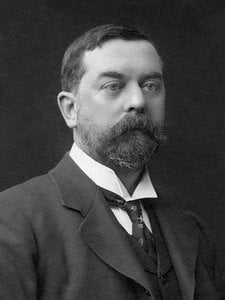
Джон Сингър Сарджънт

Джон Сингър Сарджънт

1856 - 1925 , Италия

Бързи факти

  • Artistic Movement Or Style: Импресионизъм
  • Artists Or Movements Influenced By This Artist:
    • Уистър
    • Моне
  • Artists Who Influenced This Artist:
    • Carolus-Duran
    • Веласкес
  • Date Of Birth: 12 януари 1856 г.
  • Date Of Death: 15 април 1925 г.
  • Full Name: John Singer Sargent
  • Nationality: Американски
  • Notable Artworks:
    • Мадам X
    • El Jaleo
    • Carnation, Lily, Lily, Rose
  • Place Of Birth: Флоренция, Италия
Разгледайте произведения на изкуството, организирани по теми, стилове и характеристики.