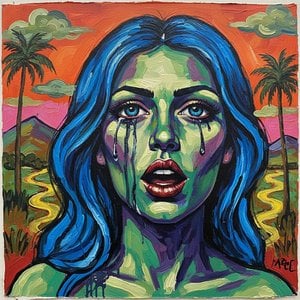
Животът, потопен в цвят: Светът на Анри Матис
Анри Емил Беноа Матис, роден на 31 декември 1869 г. в малкия севернофренски град Като-Камбрези, не е бил предопределен за живот, потопен в пигменти и форми. Първоначално изучавал право в Париж след завършване на средното училище, но пътят му драматично се променя след пристъп на апендицит през 1889 г. Прикован към леглото си, той открива латентна страст, запалена от простото рисуване с комплект художествени материали, подарен му от майка му. Това не е било просто разсейване; това е било откровение – повратна точка, която го отклонява от правните документи и към свят, в който цветът ще се превърне в негов език, а платното – в негово царство. Израснал в Боен-ан-Вермандоа като син на търговци на зърно, Матис първоначално изглежда малко вероятно да приеме бохемския живот на артист, но семето е било посадено, подхранвано от възстановяването и разцъфтяващо в цял живот отдаденост. Той се записва в Académie Julian, а по-късно в École Nationale des Beaux-Arts, изучавайки при Уилям-Адолф Бугро и Гюстав Моро, усвоявайки класически техники, които ще послужат като основа за бъдещите му иновации. Ранните му творби отразяват това академично обучение, демонстрирайки умения, но липсващи отличителният глас, който скоро ще го определи.
Зората на Фовизма и смелите експерименти
Ключов момент настъпва през 1896 г., по време на посещение в Бел Ил с австралийския художник Джон Ръсел. Тази среща се оказва трансформираща. Ръсел запознава Матис с жизнения свят на импресионизма и, което е още по-важно, с емоционално заредените платна на Винсент ван Гог. Въздействието е дълбоко. Експресивната употреба на цвят от Ван Гог разбива предишната сдържана палитра на Матис, подтиквайки го към по-дързък, субективен подход. Той започва да се отдалечава от земните тонове, възприемайки нюанси, които резонират с чувствата, а не със стриктното представяне. Това изследване кулминира в появата на Фовизма около 1905 г. – движение, в което Матис става водеща фигура. Самото име, означаващо „диви зверове“, първоначално е презрително, дадено от критик върху шокиращо ярките и нереалистични картини на групата, изложени в Салона д'Отомн.
Матис, заедно с художници като Андре Деран и Морис де Вламин, защитава интензивния цвят като независим елемент на изразяване, опростявайки формите, за да усили въздействието му. Картини като *Гурките* (1905) са пример за този стил – вихър от червени, зелени и жълти цветове, приложени със свобода, която пренебрегва традиционната перспектива и миметична точност. Ключовите характеристики включват интензивно наситени палитри, опростени форми, експресивни мазки и умишлено отхвърляне на конвенционалното представяне в полза на емоционалния резонанс.
Рафиниране и декоративна хармония
След първоначалния ентусиазъм на Фовизма, стилът на Матис претърпява фин, но значителен еволюция. Въпреки че никога не се отказва от любовта си към цвета, работата му става по-рафинирана, клонейки към декоративен естетика, която подчертава сплесканите форми и сложните модели. Той изследва теми за свободното време, домашния живот и човешката фигура в спокойна обстановка, създавайки композиции, които се чувстват едновременно хармонични и емоционално резонансни. Преместването му в Ница на Френската Ривиера през 1917 г. допълнително повлиява тази промяна, изпълвайки работата му с усещане за спокойствие и класически баланс. Той започва да се фокусира върху създаването на среди – картини, скулптури и декоративни предмети – които обгръщат зрителя в атмосфера на красота и спокойствие. Този период го вижда експериментиращ с различни медии, включително керамика и текстил, разширявайки артистичното си виждане отвъд традиционното платно. Той не просто изобразяваше сцени; той конструираше светове, предназначени да предизвикат специфичен емоционален отговор.
Късни години: Иновации чрез ограничения
Тъй като влошаващото се здраве ограничава способността на Матис да рисува по конвенционален начин, той предприема изключителен нов етап в артистичното си пътуване – създаването на колажи от хартия или *декупажи*. Започвайки около 1947 г., тези творби са родени от необходимост. Прикован към инвалидна количка, той не може физически да стои и рисува, но все още може да манипулира хартия с ножици. Това, което започва като практическо решение, се превръща в новаторна артистична техника. Той би боядисвал големи листове хартия в ярки цветове, след това ги изрязва във форми – органични форми, листа, фигури – и ги подрежда върху платното, създавайки композиции, които са едновременно динамични и привидно прости. Тези *декупажи* не бяха просто заместители на рисуването; те представляваха нов начин на мислене за цвят, форма и композиция. Те продължават цялостното му изследване на тези елементи през целия му живот, демонстрирайки трайно артистично виждане дори пред физическите ограничения.
- Техниката с хартия му позволява да постигне чистота на формата и цвета, която е трудно да се постигне с боя.
- Тези творби често препращат към по-ранни теми и мотиви от неговите картини, но ги представят по свеж и иновативен начин.
- Те демонстрират способността му да се адаптира и развива като артист през цялата си кариера.
Трайно наследство: Въздействието на Матис върху модерното изкуство
Анри Матис умира в Ница през 1954 г., оставяйки след себе си тяло от работа, което продължава да вдъхновява и пленява публиката по целия свят. Неговото въздействие върху света на изкуството е неоспоримо; той оспорва конвенционалните представи за представяне, защитава експресивната сила на цвета и проправя пътя за бъдещите поколения художници. Често разглеждан заедно с Пабло Пикасо като една от най-влиятелните фигури в изкуството на 20-ти век, Матис фундаментално оформи модернизма. Неговото наследство се простира отвъд самите му произведения на изкуството – то обхваща философия, която празнува радостта, красотата и трансформиращия потенциал на цвета. Той не просто рисуваше това, което вижда; той създаваше емоционално преживяване за зрителя, канейки го да сподели неговото виждане за свят, наситен със светлина и ярки нюанси. Влиянието на
Матис може да се види в безброй творби от художници в различни дисциплини, затвърждавайки мястото му като истински майстор на модерното изкуство – художник, който смее да види света не такъв, какъвто е, а какъвто би могъл да бъде, изпълнен с цвят



 Преглед в реален мащаб
 Избор на принт
 Сподели
 Сподели
 Подробности
 Ръководство

 Изтегляне
 Подобни артикули
 Рентгенова снимка
 Слайдшоу
 Статистика

 Разгърни целия текст






































 Опцията със стъкло е налична само за размери под 110 см