


Giclée печат или принт върху платно с музейно качество, бързо производство и гъвкави опции за завършен вид. ( Купете ръчно рисувана картина Купете изображение)





























Изберете от предварително зададените размери, които съответстват на оригиналните пропорции на произведението.

Можете да въведете собствени размери, за да паснат на конкретна рамка или пространство. Ако избраният от Вас размер не съвпада с пропорциите на оригиналното изображение, ние ще изрежем произведението или ще разширим изображението с огледален или едноцветен ръб. Дигитален макет ще бъде изпратен за Ваше одобрение преди започването на производството.
Моля, имайте предвид, че предпрегледът на екрана не отразява реалното изрязване или разширяване. Само макетът ще покаже точно финалната композиция.
Въпреки че са налични персонализирани размери, препоръчваме да изберете размер от предварително дефинирания списък, за да запазите оригиналните пропорции.
Доставка по целия свят () в рамките на 2 седмици вместо стандартните 4/5 седмици. (6 Септември)


Conversation under the Olive Trees
Размер на репродукцията
Henri Matisse’s "Conversation under the Olive Trees," painted in 1921, is a captivating example of his mature Fauvist style. This oil on canvas artwork transports viewers to a serene Mediterranean landscape where two elegantly dressed women engage in quiet conversation beneath the shade of ancient olive trees. The painting exemplifies Matisse's dedication to color harmony and simplified forms, creating an atmosphere of peaceful contemplation.
Matisse was a leading figure in the Fauvist movement, which emerged in the early 20th century as a reaction against Impressionism. "Fauves," meaning “wild beasts,” was a term initially used derisively to describe these artists' bold and unconventional use of color. Unlike Impressionists who sought to capture fleeting moments of light and atmosphere, Fauvist painters like Matisse prioritized expressive color over realistic representation. In "Conversation under the Olive Trees," this is evident in the flattened perspective, simplified forms, and vibrant, non-naturalistic colors that define the scene.
The painting’s composition is carefully structured with three horizontal bands: the sky at the top, a landscape featuring olive trees and rolling hills in the middle, and the foreground occupied by the two women. Matisse employs loose, expressive brushstrokes that are clearly visible on the canvas, adding texture and dynamism to the scene. The use of color is deliberate and harmonious; blues, greens, and browns dominate the palette, creating a sense of tranquility while touches of warmer tones in the figures' clothing add visual interest. Matisse’s technique emphasizes the flatness of the picture plane, rejecting traditional perspective techniques in favor of a more decorative approach.
Painted in 1921, "Conversation under the Olive Trees" reflects Matisse’s increasing focus on decorative elements and simplified forms during his Nice period. Having settled in the South of France, Matisse was inspired by the region's light and landscape. The olive tree itself holds symbolic significance; it is a symbol of peace, wisdom, and abundance in Mediterranean cultures. The women's attire suggests a certain social standing and elegance, hinting at leisurely pursuits and refined conversation. While seemingly simple, the painting evokes a sense of timelessness and quiet contemplation, reflecting a desire for serenity amidst the complexities of the post-war era.
"Conversation under the Olive Trees" is more than just a depiction of a scene; it's an exploration of mood and atmosphere. The painting’s subdued color palette and tranquil composition evoke feelings of peace, relaxation, and gentle contemplation. Matisse’s ability to convey such profound emotion through simplified forms and expressive colors solidified his reputation as one of the most influential artists of the 20th century. His innovative approach continues to inspire artists and captivate audiences worldwide, making "Conversation under the Olive Trees" a timeless masterpiece.


1869 - 1954 , Франция

Explore the vibrant revolution of Fauvism. Discover how masters like Matisse liberated color to redefine modern art. Dive into an expert-led journey through the 'Wild Beasts' movement and learn how to bring this bold, expressive energy into your personal collection.
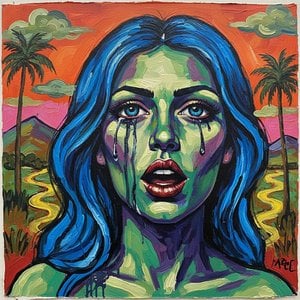
Embark on a journey through the vibrant world of Fauvism. Discover how masters like Henri Matisse revolutionized art through bold colors and raw emotion in this expert-led guide to one of modern art's most powerful movements.

Explore the vibrant world of Fauvism with our expert guide. Discover how Matisse and Derain revolutionized art through bold colors and expressive strokes. Perfect for classic art enthusiasts seeking to deepen their passion for modern masterpieces.

 Представи си го
 Изпрати
 Сподели
 Детайли

 Изтегляне
 Подобни
 Рентгенова снимка
 Слайдшоу

 Прочетете повече







 Стъклото е налично само в размери под 110 см


