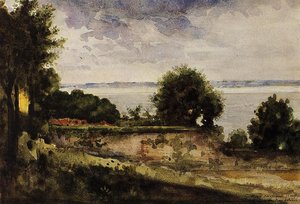
A Dream Weaver of Symbolism: The Life and Art of Gustave Moreau
Gustave Moreau, име познато в света на изкуството като мечтател и символist, е фигура от изключителна стойност в историята на френското изкуство. Роден през 1826 година в Париж, той не просто живееше – той преживяваше живота си през призмата на митовете, религията и дълбоките човешки емоции, превръщайки ги в завладяващи визуални произведения. Moreau беше продукт на своето време, но и бунтар срещу доминиращите тенденции, търсейки собствена, уникална пътека, която да изразява вътрешния му свят.
The Forge of Imagination: Influences and Artistic Development
Ранното детство на Moreau беше белязано от интелектуално любопитство и естетично възпитание – баща му беше архитект и архивист, което го потопи в среди на култура и изкуство. Още от малък той прояви забележителен талант за рисуване, който беше развиван чрез традиционно академично обучение в École des Beaux-Arts под ръководството на фигури като François-Édouard Picot. Въпреки това, неговият артистичен път се отклони значително от доминиращите реалистични и импресионистични течения на времето. Moreau не беше заинтересован от запечатването на мимолетни моменти или обективна реалност; вместо това, той търсеше да отключи скритите светове на мита, религията и човешката психика чрез дълбоко личен и символичен визуален език. Той не копираше просто стиловете на другите художници, а ги синтезираше в нещо съвсем ново – уникална комбинация от влияния. Неговите пътувания до Италия през 1850-те години бяха ключови за неговото развитие, потопявайки го в изкуството на древността и Ренесанса, предоставяйки му богатство от мотиви и стилистични насоки, които ще оформиха бъдещите му произведения. Той с усърдие копираше стари майстори, не като упражнение за пресъздаване, а като средство за усвояване на техните техники и отключване на тайните им.
A World of Symbols: Themes and Techniques
Творбите на Moreau не са просто илюстрации на митове или библейски истории; те са сложни алегории, които предизвикват размисъл и интерпретация. Той се задълбочаваше в наративи като тези за Саломея, Орфей, Юпитер и Семела, не за да ги разказва буквално, а за да изследва техните подсъзнателни психологически и духовни истини. Каньона му са пълни със символични образи – змии, представляващи искушение; скъпоценности, символизиращи земни желания; и фигури, олицетворяващи абстрактни концепции като скръб, загуба или изкупление. Той майсторски създаваше мечтателна атмосфера чрез слоеве боя, богати текстури и често объркваща комбинация от светлина и сянка. Техниката му се характеризираше с прецизно наслояване на бои, създавайки повърхности, които искрят с ослепителни цветове и предизвикват усещане за свръхестествена красота. Неговата работа не се фокусира върху реалистични текстури или перспективи; вместо това той поставяше акцент върху изразяващата сила на цвета и формата, за да предаде настроение и значение.
Notable Works and Legacy
Въпреки че първоначално беше посрещнат със смесени реакции, Moreau стана ключова фигура в развиващото се символизма през 1890-те години. За разлика от някои от съвременниците си, които активно търсеха публично внимание, той предпочиташе да работи независимо и да избягва артистични дебати. Въпреки това, неговото влияние беше несъмнение. През 1893 година той прие професура в École des Beaux-Arts, където дълбоко повлия на поколения художници, включително Henri Matisse и Georges Rouault. Той насърчаваше своите студенти да приемат въображението, символизма и индивидуалното изразяване, настоявайки ги да се освободят от конвенционалните артистични норми. Неговите картини продължават да резонират с публиката днес, предлагайки прозрения в скритите дълбини на човешката душа и напомняйки ни за силата на изкуството да надхвърли границите на реалността.
Notable Works
- Salome Dancing before Herod: Най-известната му творба, тази картина е пример за неговия луксозен стил и страст към библейските истории.
- Jupiter and Semele: Драматично изображение на гръцкия мит, демонстриращо майсторството му в композицията и цветовете.
- Orpheus: Няколко картини на Moreau изследват мита за Орфей, отразяващи теми като загуба, скръб и артистична вдъхновение.
- The Apparition: Демонстрира умението му да създава ефирни и свръхестествени сцени.
- Desdemona: Поетично представяне на трагичната героиня от Шекспир.



 Преглед в реален мащаб
 Избор на принт
 Сподели
 Сподели
 Подробности
 Ръководство

 Изтегляне
 Подобни артикули
 Рентгенова снимка
 Слайдшоу
 Статистика
 Разгърни целия текст