Ранни години и артистични начала
Густав Климт, роден на 14 юли 1862 г. в Баумгартен край Виена, израства в семейство, докоснато от артистичен дух и финансови трудности. Баща му, Ернст Климт, е златар, професия, която фино и дълбоко влияе на естетическата чувствителност на младия Густав – очарованието на позлатените листа, прецизността в детайлите, самата пищност. Семейните борби водят до чести премествания във Виена, номадско детство, което може би подхранва у Климт остро наблюдение и чувствителност към човешкия опит. Още като дете рисува забележително добре, насърчаван от бащината професия и вродения му талант, който бързо става очевиден. През 1876 г. постъпва във Виенската школа за приложни изкуства (Kunstgewerbeschule), започвайки формално обучение по архитектурна живопис под ръководството на Фердинанд Лауфбергер. Това му осигурява солидна техническа основа, но го излага и на преобладаващите академични стилове – стилове, които Климт в крайна сметка ще предизвика и надмине. Именно тук той формира важно артистично партньорство със своя брат Ернст и Франц фон Мач, сътрудничество, което осигурява ранни поръчки за декоративни стенописи и тавани, полагайки основите на бъдещия му успех.
Възходът на Виенската сецесион
Към 90-те години на XIX век Климт все повече е разочарован от консервативното артистично статукво във Виена. Той копнее за по-голяма творческа свобода, пространство, където иновациите да процъфтяват без ограниченията на традицията. Това желание кулминира в създаването на Виенската сецесион през 1897 г., ключов момент в австрийската история на изкуството. Климт е избран за първия президент, превръщайки се във водещата фигура на движението, което се стреми да скъса с твърдите академични норми и да приеме новите артистични течения, обхванали Европа – Арт Нуво, Символизъм и Японски изкуства. Собствената изложбена сграда на Сецесион, проектирана от Йозеф Мария Олбрих, се превръща в символ на този бунт, храм, посветен на модерното изкуство. Работата на Климт е централна за етоса на Сецесион, въплъщавайки неговото отхвърляне на конвенционалната естетика и приемането на декоративни елементи, смели цветове и символични образи. Неговите картини започват да изследват теми като любовта, смъртта и сексуалността с безпрецедентна откровеност, предизвиквайки обществените норми и провокирайки както възхищение, така и негодувание.
Златният период и артистичното съзряване
Около 1900 г. Климт навлиза в това, което е известно като неговия „златен период“, период, характеризиращ се с пищната употреба на позлатени листа, вдъхновена от византийските мозайки и средновековните илюминирани ръкописи. Тази техника трансформира картините му в блестящи, неземни видения, изпълнени със смисъл на духовна дълбочина и чувствено очарование.
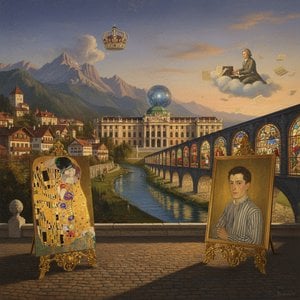
Целувката (1907-1908), може би най-емблематичното му произведение, въплъщава този стил – двойка, заключена в прегръдка, обвити в златен ореол, телата им украсени със сложни шарки. Този период вижда и Климт да създава поредица от зашеметяващи портрети, включително *Портрет на Адел Блох-Бауер I* (1907), който демонстрира способността му да улови не само физическото подобие, но и психологическата сложност на своите обекти. Той все повече размива границите между живописта и орнаментацията, интегрирайки декоративни елементи в композициите си, за да създаде хармонично сливане на форма и съдържание. Влиянието на японското изкуство – Японският стил – е особено очевидно в сплесканата му перспектива, акцента върху линията и използването на декоративни шарки.
Спорове, влияния и трайно наследство
Кариерата на Климт не е лишена от противоречия. През 1900 г. той получава престижна поръчка да рисува тавани за Голямата зала на Виенския университет, представящи Философията, Юриспруденцията и Теологията. Въпреки това тези произведения – особено *Философията* – са счетени за провокативни и дори порнографски от консервативните критици, което води до обществена възмущение и в крайна сметка подтиква Климт да откаже по-нататъшни публични поръчки. Този инцидент бележи повратна точка в кариерата му, насочвайки го към повече частни покровителства и позволявайки му по-голяма творческа свобода. През целия си живот Климт е повлиян от разнообразен набор от артисти и стилове – от историческите картини на Ханс Макарт до декоративното изкуство на Византия и Япония. Той черпи вдъхновение и от Символистичното движение, изследвайки теми като митология, алегория и подсъзнанието. Густав Климт продължава да рисува усърдно до смъртта си на 6 февруари 1918 г., след инсулт по време на пандемията от испански грип. Неговите последни творби изследват по-абстрактни форми и пейзажи, демонстрирайки продължаващо артистично развитие. Сега той е признат за една от най-важните фигури в австрийската история на изкуството, водещ представител на Виенската сецесион и траен символ на елегантността на Арт Нуво.
Неговите картини постигат високи цени на търгове, а влиянието му продължава да резонира в съвременното изкуство и дизайн.
Ключови характеристики & Артистичен стил
- Символизъм: Работата на Климт е дълбоко символична, често изследвайки теми като любовта, смъртта, сексуалността и човешкото състояние.
- Арт Нуво: Той е водеща фигура в движението Арт Нуво, характеризиращо се с органични линии, декоративни шарки и акцент върху красотата.
- Златен период: Използването му на позлатени листа създава блестящи, пищни повърхности, които стават негов отличителен стил.
- Декоративни елементи: Климт интегрира декоративни елементи в композициите си, размивайки границите между живописта и орнаментацията.
- Женска форма: Женското тяло е централен обект в работата му, често изобразявано със чувственост и психологическа дълбочина.



 Представи си го
 Купете ръчно рисувана картина
 Изпрати
 Сподели
 Детайли

 Изтегляне
 Подобни
 Рентгенова снимка
 Слайдшоу
 Статистика


 Прочетете повече






































 Стъклото е налично само в размери под 110 см