x
Представи си гоПредстави си го AR прегледAR преглед Купете ръчно рисувана картина Купете ръчно рисувана картинаКупете изображение Купете изображение ИзпратиИзпрати
ДетайлиДетайли Добавяне към любими Добавяне към любими ИзтеглянеИзтегляне ПодобниПодобни Рентгенова снимкаРентгенова снимка СлайдшоуСлайдшоу

Perspective View (Stage design)

Discover Canaletto's 'Perspective View (Stage design)': A captivating capriccio depicting a fantastical Roman Capitol stage set, showcasing intricate details and masterful perspective.

Джорно Antonio Канал е известен италиански художник от Венеция, известен със своите великолепни гледки на града (ведути). Неговите прецизни картини и влияние върху 18-ти век изкуството са безценни. Разгледайте неговото творчество!

Жикле / Художествен принт

Giclée печат или принт върху платно с музейно качество, бързо производство и гъвкави опции за завършен вид. (Купете ръчно рисувана картина Купете ръчно рисувана картинаКупете изображение Купете изображение)

P118B $10
P118H $10
P118W $10
P438Z $10
P508JH $12
P508YH $12
P805H $10
P805Z $10
P919BZ $10
P919G $10
P919XJ $10
P959ZH $10
P968JZ $12
W106C $8
W218G $10
W218JH $8
W218Y $10
W307PJ $10
W316G $10
W316PJ $8
W316Y $10
W398PJ $8
W4111J $10
W500HY $15
W500JH $15
W692G $12
W849H $8
W940BG $15
W953PJ $8

Стандартен
по поръчка
CM
INCH

Изберете от предварително зададените размери, които съответстват на оригиналните пропорции на произведението.

ширина
височина

Можете да въведете собствени размери, за да паснат на конкретна рамка или пространство. Ако избраният от Вас размер не съвпада с пропорциите на оригиналното изображение, ние ще изрежем произведението или ще разширим изображението с огледален или едноцветен ръб. Дигитален макет ще бъде изпратен за Ваше одобрение преди започването на производството.
Моля, имайте предвид, че предпрегледът на екрана не отразява реалното изрязване или разширяване. Само макетът ще покаже точно финалната композиция.
Въпреки че са налични персонализирани размери, препоръчваме да изберете размер от предварително дефинирания списък, за да запазите оригиналните пропорции.

Доставка по целия свят () в рамките на 2 седмици вместо стандартните 4/5 седмици. (3 Септември)

why_choose_icon
Безплатна експресна доставка по целия свят
why_choose_icon
Висококачествено ленено платно
why_choose_icon
Пълно застраховане при доставка
why_choose_icon
Гаранция за възстановяване на митнически такси
why_choose_icon
Гаранция за цветова точност
why_choose_icon
60-Дневен период за връщане (Само при дефекти)
why_choose_icon
100% Гаранция за връщане на парите
why_choose_icon
Предложение за отстъпка при поръчка на едро

Обща цена

$ 68

reproduction

Perspective View (Stage design)

Жикле / Художествен принт

Размер на репродукцията

-

Обща цена

$ 68

Бързи факти

  • Movement: Venetian School
  • Title: Perspective View (Stage design)
  • Medium: Oil on canvas
  • Notable elements or techniques: Perspective, foreshortening
  • Artistic style: Veduta, Capriccio
  • Artist: giovanni antonio canal

Тест за изкуство

Има само един верен отговор за всеки въпрос.

Въпрос 1:
What is the primary subject depicted in ‘Perspective View (Stage design)’?
Въпрос 2:
The description mentions that the painting may have been created shortly after Canaletto’s stay in Rome. What does this suggest about its style?
Въпрос 3:
The painting features a prominent equestrian monument. What historical figure does it resemble?
Въпрос 4:
According to the description, what is a key characteristic of Canaletto’s style that has been debated by scholars?
Въпрос 5:
What type of perspective is prominently featured in ‘Perspective View (Stage design)’?

A Captivating Vision of Venetian Theatre

Canaletto’s “Perspective View (Stage Design)” is more than just a depiction of a bustling scene; it's a window into the vibrant theatrical culture of 18th-century Venice. Painted likely in the early 1720s, this capriccio – a term Canaletto himself employed for imaginary or idealized views – transports us to a fantastical Capitol, glimpsed through a grand loggia adorned with Corinthian columns and shimmering with golden ornamentation. The composition is anchored by an equestrian monument, reminiscent of Marcus Aurelius, rising majestically from the steps of a triumphal arch, creating a powerful sense of grandeur and historical resonance.

The painting’s genius lies not merely in its technical precision but also in its evocative atmosphere. Canaletto masterfully employs linear perspective to draw the viewer into this meticulously rendered space. The receding lines of the loggia, the diminishing scale of the statues, and the subtle shifts in light create a convincing illusion of depth, inviting us to step through the painted world and become part of the scene. Notice how he uses atmospheric perspective – distant elements are paler and less defined, contributing to the overall sense of vastness and theatrical spectacle.

The Artist’s Context: Canaletto and Venetian Topography

Giovanni Antonio Canal, known as Canaletto, was a pivotal figure in the development of topographical painting. Born in Venice in 1697, he initially trained under his father, Bernardo Canal, a stage designer for theatrical productions. This early experience instilled in him a deep understanding of perspective and spatial relationships – skills that would later define his remarkable career. Canaletto’s work was profoundly shaped by the bustling commercial activity of Venice, a city renowned for its trade and artistic patronage. He meticulously documented the city's canals, palaces, markets, and everyday life, creating a vast archive of visual records.

His approach differed significantly from earlier Venetian painters who focused primarily on religious or mythological subjects. Canaletto’s interest lay in capturing the tangible reality of Venice – its architecture, its people, and its atmosphere. This shift towards secular subject matter reflected a broader cultural trend during the 18th century, as artists increasingly sought to depict the world around them with greater accuracy and detail. The painting's attribution has been debated by scholars, but Stefano Susinno recognized it as a unique example in Canaletto’s oeuvre due to its drawing, points of light, and similarities to other capricci.

Symbolism and Theatrical Allusion

Beyond its technical brilliance, “Perspective View (Stage Design)” is rich in symbolic meaning. The equestrian monument, a reference to Roman emperors, suggests an ideal of leadership and power. The triumphal arch evokes the grandeur of ancient Rome, while the golden ornaments symbolize wealth and prestige. The inclusion of figures engaged in various activities – musicians, spectators, and performers – underscores the importance of theatre as a central element of Venetian society. It’s a scene brimming with life, energy, and the allure of entertainment.

Interestingly, scholars believe this painting may have been created shortly after Canaletto's stay in Rome (1718-1720), possibly inspired by the city’s ancient ruins and theatrical traditions. The presence of numerous architectural elements reminiscent of Roman antiquity suggests a deliberate attempt to evoke the spirit of the classical world.

A Legacy of Precision and Vision

“Perspective View (Stage Design)” stands as a testament to Canaletto's exceptional skill and artistic vision. It’s a captivating blend of realism, imagination, and theatricality – a painting that continues to delight and intrigue viewers centuries after its creation. Reproductions of this work offer a remarkable opportunity to experience the beauty and detail of Canaletto’s artistry in your own home or office, bringing a touch of Venetian elegance and historical grandeur to any space.


Биография на художника

Giovanni Antonio Canal – The Master of Venetian Light

Giovanni Antonio Canal, universally known as Canaletto, was a pivotal figure in 18th-century art, a painter whose meticulous depictions of Venice and its surrounding landscapes continue to captivate viewers today. Born on October 18, 1697, in the heart of Venice, he inherited an artistic legacy from his father, Bernardo Canal, a skilled theatrical scene painter. This early exposure to visual storytelling and stagecraft undoubtedly shaped Canaletto’s later approach to capturing the dynamism and social life of his beloved city.

Canaletto's formative years were spent honing his craft under his father’s tutelage, learning the fundamentals of perspective, composition, and color. However, a significant turning point in his artistic development occurred when he traveled to Rome in 1718. There, he immersed himself in the vibrant world of Roman painting, encountering the techniques of Giovanni Paolo Pannini, a master of vedute – detailed views of urban landscapes. Pannini’s influence was profound; Canaletto adopted the veduta genre as his primary focus, dedicating his career to meticulously documenting Venice and its environs.

The Development of a Unique Style

Canaletto's signature style is instantly recognizable: a remarkable blend of precision, observation, and atmospheric quality. He was not merely a recorder of scenes; he sought to capture the *essence* of Venice – its light, its movement, its social fabric. His use of precise perspective, often achieved through painstaking preparatory drawings, combined with a masterful understanding of color and light, created images that were both accurate and deeply evocative.

A persistent debate surrounds Canaletto’s technique, particularly regarding the potential use of a camera obscura – a device that projects an image onto a surface. While some scholars believe he employed this tool to aid in achieving topographical accuracy, it's generally accepted that his primary focus remained on compositional design and capturing the overall mood of a scene. His meticulous attention to detail, combined with a keen eye for light and shadow, resulted in paintings that are remarkably realistic yet imbued with a sense of warmth and vitality.

Notable Works and Collaborations

Canaletto’s oeuvre is rich and diverse, encompassing cityscapes, portraits, and imaginary views. Among his most celebrated works are “The Stonemason’s Yard” (circa 1725), a vibrant depiction of daily life in a Venetian workshop; “Regatta on the Grand Canal” (1730s), a dynamic portrayal of a public ceremony; and “Eton College” (1746-1756), a meticulously rendered view of the prestigious English boarding school. His work in England, particularly during his collaboration with Joseph “Consul” Smith, proved exceptionally successful, bringing him widespread recognition and wealth.

A crucial element of Canaletto’s career was his close relationship with his nephew, Bernardo Bellotto. Bellotto became a talented artist in his own right, often working alongside Canaletto on large-scale projects, particularly in the years following his uncle's death. Their collaborative efforts resulted in a series of panoramic views of Venice and other cities, showcasing a shared artistic vision and technique.

Legacy and Influence

Canaletto’s legacy extends far beyond his own lifetime. His meticulous depictions of Venice profoundly influenced subsequent generations of artists, particularly the development of the “vedute” genre in Europe. His work is now housed in major museums around the world, including the National Gallery in London and the Getty Museum in Los Angeles, testament to his enduring artistic merit.

Canaletto’s paintings offer a unique window into 18th-century Venice – its bustling streets, its grand palaces, and its vibrant social life. They are not merely representations of a city; they are celebrations of light, color, and the human experience, solidifying his place as one of the most important landscape artists in European history.

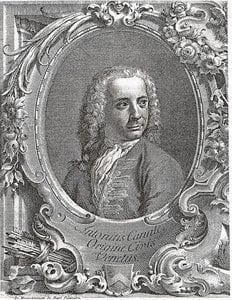
Каналетто

Каналетто

1697 - 1768 , Италия

Бързи факти

  • Artistic Movement Or Style: Ведуте Венеция
  • Artists Or Movements Influenced By This Artist: ['Джовани Паоло Панини']
  • Artists Who Influenced This Artist: ['Лука Карлеварис']
  • Date Of Birth: 18 октомври 1697
  • Date Of Death: 19 април 1768
  • Full Name: Giovanni Antonio Canal
  • Nationality: Италианец
  • Notable Artworks:
    • Кремарият двор
    • Регата в големия канал
    • Етон Колеж
  • Place Of Birth: Венеция, Италия
Разгледайте произведения на изкуството, организирани по теми, стилове и характеристики.