

Giclée печат или принт върху платно с музейно качество, бързо производство и гъвкави опции за завършен вид. ( Купете ръчно рисувана картина Превключване към дигитално изображение)





























Изберете от нашите предварително зададени размери, които съответстват на оригиналните пропорции на произведението.

Въведете необходимата ширина и височина, за да паснат на вашата рамка или стена. Принтовете могат само да се изрязват, но никога не могат да бъдат по-големи от оригиналната картина, така че при размер с различен формат част от изображението ще бъде загубена. Преди да започнем печат, ще ви изпратим дигитален мок업 за одобрение. Изображението, показано на тази страница, не показва реалното изрязване — само мок업ът го показва.
Доставка по целия свят () в рамките на 2 седмици вместо стандартните 4/5 седмици. (11 Ноември)
Elephant
Размер на репродукцията
“Elephant,” painted in 1907 by Franz Marc, stands as a cornerstone of German Expressionism and embodies the artist's unwavering belief that art could transcend mere representation to communicate profound spiritual truths. More than just an image of an animal—a deliberate choice reflecting Marc’s fascination with the natural world—the painting is a meticulously crafted exploration of color, form, and symbolism designed to evoke contemplation and inspire awe.
Symbolism Beyond Representation: The elephant itself serves as a powerful symbol of strength, resilience, and contemplation. Its muted coloration – predominantly reds and blues – isn’t merely descriptive; it's imbued with spiritual significance. Red represents passion and vitality, while blue symbolizes serenity and introspection—a deliberate juxtaposition that underscores Marc’s belief in the interconnectedness of opposing forces within the human spirit.
Emotional Impact: Viewing “Elephant” is akin to embarking on a journey inward. The artist's masterful use of color creates an atmosphere of quiet contemplation, inviting viewers to consider themes of solitude and communion with the natural world. It’s a piece that speaks to the viewer’s subconscious, prompting reflection on fundamental questions about existence and spirituality—a testament to Marc’s enduring legacy as one of Expressionism’s most influential figures.
Цветовата идентичност на „Elephant“ на Франц Марк: палитра от Earthy, доминирана от Bronze (#d08e3c).
"Elephant" е създадена от Франц Марк, роден в Германия, в рамките на движението German Expressionism. Произходът на художника свързва произведението с German Expressionism в неговата интерпретация, характерна за художници от Германия.
"Elephant" клони към Ochre to Sepia нюанс.

Франц Марк е роден в Мюнхен, Германия, в семейство, в което визуалният език на пейзажа вече е напълно утвърден. Неговият баща, Вилхелм Марк, е работил като професионален пейзажист, осигурявайки му директно, макар и не напълно сигурно, въведение в механиката на изкуството. Тази фамилна връзка означаваше, че инструментите на занаята са били налични от самото начало, но пътят на Марк не е бил права линия от наследство към платно. Преди да се посвети на живота на живописец, той прекарва време в борба с теологията – период на духовно търсене, който по-късно ще диктува интензивността на неговото визуално творчество. Именно това напрежение между свещеното и материалното придава на по-късните му работи тяхната специфична, тежка тежест.
Неговото формално обучение започва през 1900 г., когато се записва в програмата по изкуствата в Людвиг-Максимилианс Университет в Мюнхен. Тази академична основа не е била просто формалност; тя осигурява техническата строгост, необходима за последващото раз dismantling на традиционното представително изкуство. След престоя си в Мюнхенския университет, той преминава към Академията по изкуства в Мюнхен. Тази последователност от обучения го превежда от общите академични принципи към специализирания, интензивен фокус, необходим за радикалните промени, които той по-късно ще оглави. Той не е продукт на случаен талант, а на съзнателно, структурирано потапяне в формалните традиции на Мюнхен.
Ранните творби на Франц Марк отразяват тежестта на академичната живопис и импресионизма. Тези традиционни основи осигуряват техническата структура, която той по-късно ще разгради. Престоят му във Франция, по-специално по време на посещенията в Париж през 1903 и 1907 г., действа като катализатор за това откъсване. Именно в Париж той се сблъсква с творчеството на Винсент ван Гог. Това среща предостави необходимата алтернатива на ригидните структури на неговото обучение, предлагайки начин за използване на цвета като директен инструмент за емоционално изразяване, а не просто като средство за описание.
Преходът към абстракция не е внезапен скок, а пресметнат отговор на еволюиращия визуален език на началото на XX век. Изследванията на Робер Делоне в областта на абстрактните форми и интензивните колоритни палитри предоставят модел за собственото движение на Марк към опростяване. Той се отдалечава от буквалното представяне на пейзажа, стремясь вместо това да разголи субектите до техните същностни форми. Този процес му позволява да премине отвъд повърхността на природния свят, за да достигне до по-субективен и наситено експресивен стил на изразяване.
Преходът от обикновено представителство към търсене на духовната истина дефинира най-значимото приносно дело на Франц Марк към модернизма. Преди да установи собственото си движение, той експериментира с „Новата творческа организация на художниците в Мюнхен“ (Neue Künstlervereinigung München). Този период на проби и грешки е бил необходим, за да се освободи от академичните ограничения на времето си. Към 1911 г. Марк съосновава Der Blaue Reiter заедно с Василий Кандински. Това не е било просто социален клуб, а радикално отклонение от съществуващия статус-кво. Групата използва списанието Der Blaue Reiter, за да наложи специфична програма: използването на абстракция и символичен цвят за изразяване на вътрешните духовни реалности. Те се стремеха да преминат отвъд повърхността на физическия свят, за да достигнат до нещо по-същностно.
Това движение представляваше директен вызов на индустриалната, сива реалност на началото на 20-ти век. Марк и неговите колеги търсеха визуален език, който да може да общува с душата, а не само с окото. Те се насочиха към стил, в който цветът функционира като духовна честота. Тук не ставаше въпрос за изобразяване на това, което е видяно, а за улавяне на вътрешната същност на обекта. Фокусът се измести от външния пейзаж към ритмичната, символична интерпретация на живота. Този период бележи момента, в който немският експресионизъм откри своя най-мощен, нелитерален глас.
Визуалният език на Франц Марк се опира на строга и съзнателна система от цветови символи, която отхвърля описателната точност в полза на духовното измерение. Той не използва нюансите, за да имитира естествения свят, а за да очертае духовна йерархия. В неговата палитра синьото олицетворява мъжествеността и духовността, жълтото – женствеността и радостта, а червеното – материалността и насилието. Това не е просто случатеен естетичен избор, а структурирана опит за предаване на вътрешните истини чрез външния пигмент. Чрез премахването на буквалното представяне, той принуждава зрителя да се осъзнае с емоционалната тежест на самия цвят.
Техниката му се развива в посока на радикално опростяване на формата. Той превръща сложните биологични структури в съществени, ритмични форми. Този редукционизъм, съчетан с дръзки, ненатуралистични цветове, създава усещане за напрежение между субекта и неговата среда. Използвайки къси, прецизни мазки и техниката импасто, за да изгради текстура, той придава на своите композиции физическо присъствие, което контрастира с абстракцията на неговите образи. Резултатът е стил, в който животното вече не е просто същество от плът, а съд за специфична, кодирана енергия.
Зрялото творчество на Франц Марк е фокусирано върху животинския свят. Той се отдалечава от статичните пейзажи, за да се съсредоточи върху същества като коне, елени и лисици, които в неговите ръце не са просто обект на биологично изследване, а съсъдове за духовна енергия. През 1911 г. той създава Големите сини коне — произведение, което утвърждава неговата пристрастеност към не-натуралистичния цвят. Към 1912 г. неговите композиции стават по-агресивни и структурирани, което се наблюдава в картините Тигър и Червеният елени. Тези живописни шедьоври демонстрират прехода към улавянето на същинските качества на неговите субекти чрез опростени, ритмични форми.
Еволюцията на неговия стил разкрива ясна траектория към абстракцията. Творбата му от 1913 г. Лисиците отразява влиянието на френския кубизъм, използвайки кристална композиция за раздробяване на формата. Този подход достига своя връх в Коровата свят, писана през 1913 г., където субектът се превръща в символ на космическото съществуване. Изкуството на Франц Марк се опира на специфична цветна логика: синьото за мъжество и духовност, жълтото за женственост и радост, а червеното за насилие и материалност. Тази система превръща всеки портрет на животно във философско послание, а не в буквално изображение.
Животът му завършва на 4 март 1916 г., по време на битката при Верд. Тази смърт настъпва две години след избухването на войната. Той е убит от шрапнел – насилствена гибел, която прекъсва кариера, дефинирана от търсенето на чистота. Внезапността на неговата смърт при Верд оставя празнота в развитието на немския експресионизъм, спирайки неговото движение към още по-радикална абстракция, преди той да успее да достигне нейното логическо завършване.
Франц Марк остава централна фигура в историята на немския експресионизъм. Неговото влияние се измерва чрез това как неговият подход към цвета и формата измести фокуса на модерното изкуство от външното наблюдение към вътрешната духовна истина. Въпреки че кариерата му е прекъсната преждевременно, неговото влияние продължава да живее чрез постоянното присъствие на неговите произведения в големите музеи по целия свят. Способността му да дестилира същността на животните в символични, ненатуралистични форми промени траекторията на живописното изкуство в началото на 20-ти век.
Политическият пейзаж на 30-те години на миналия век се опита да изтрие този принос. Нацисткият режим класифицира Марк като „дегенеративен“ художник, като го включи в по-широка кампания за потискане на модернизма. Въпреки тази систематична кампания, по-голямата част от творчеството му оцеля през опустошенията на Втората световна война. Това оцеляване гарантира, че неговият визуален език остава достъпен за съвременната публика. Нените творби продължават да резонират, защото предлагат директен, емотивен отговор към природата, който избягва оковите на буквалното представяне.
За да се докоснете до физическата реалност на визията на Франц Марк, трябва да потърсите специфични институционални колекции, които са съхранили неговото творчество през турбулентното време на 20-ти век. Музеят на Франц Марк в Кохел ам Зее, Германия, служи като основно място за неговото наследство, съхранявайки над 150 от неговите произведения. Тази колекция предлага директен поглед върху развитието на художника в контекста на баварския пейзаж. В Мюнхен Lenbachhaus поддържа обширна колекция, предлагаща концентриран поглед върху неговия принос към немския експресионизъм. Staatsgalerie Moderner Kunst в Мюнхен също притежава значими произведения, гарантирайки, че неговото присъствие остава централно за историята на изкуството на града.
Влиянието му се простира далеч извън границите на Германия, като големи международни музеи притежават негови платна. В Съединените щати Арт институтът в Чикаго притежава Зачарованата мелница. Тези разпръснати по света локации позволяват глобално разбиране за неговото въздействие върху модерната абстракция. Виждането на тези творби на живо разкрива истинската текстура на неговите мазки и специфичната интензивност на неговия цветови избор, които често губят своята тежест при дигиталните репродукции.

1880 - 1916 , Германия

Delve into the visceral world of German Expressionism. Explore the history, key artists like Kirchner and Kandinsky, and the movement's profound emotional impact through an expert art-history lens. Discover how bold colors and distortion redefined modern aesthetics.

Explore the raw emotion of German Expressionism through a definitive guide to Ernst Ludwig Kirchner. Discover how his bold colors and distorted forms redefined modern art history, from Berlin street scenes to iconic masterpieces.
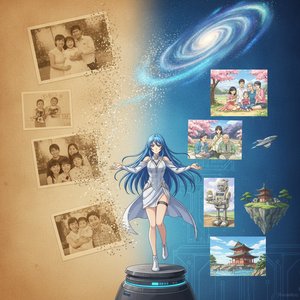
Step into the spotlight with WahooArt's AI-driven transformation. Turn your photos into stunning, hand-painted anime oil masterpieces. Experience the perfect fusion of cutting-edge technology and museum-grade craftsmanship to create a timeless pop-culture legacy for your home.
 Преглед в реален мащаб
 Изпрати
 Сподели
 Детайли
 Ръководство

 Изтегляне
 Подобни артикули
 Рентгенова снимка
 Слайдшоу
 Въпроси и отговори
 Статистика

 Прочети повече









 Опцията със стъкло е налична само за размери под 110 см


