Животът, потопен в осезаемото
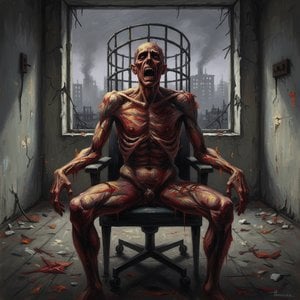
Франсис Бейкън, име синоним на най-суровата емоционалност в изкуството на 20-ти век, е роден в Дъблин, Ирландия през 1909 г., но истинският му артистичен дух намира израз в бурния пейзаж на следвоенна Великобритания. Ранният му живот далеч не беше стабилен; честите премествания поради здравословното състояние на майка му зародиха чувство за дезориентация, което дълбоко ще оформи мирогледа му и в крайна сметка ще проникне в платното му. Сложните отношения с неговия строг баща и силната връзка с гувернантката му Джеси Лайтфут допълнително оцветиха емоционалния терен на формиращите му години. Първоначално привлечен от конните надбягвания и живот, изпълнен с хазарт, Бейкън се лута из различни професии, преди най-накрая да посвети живота си на живописта в края на двадесетте години – закъснял старт, който може би е засилил неотложността и интензивността на по-късната му работа. Той не е бил формално обучен, а вместо това проправя свой собствен път, усвоява влияния от различни източници и развива уникално обезпокоищ визуален език.
Котлото на ранните влияния
Художественото пробуждане на Бейкън не беше мигновено, а по-скоро постепенно натрупване на впечатления. Творбите на Пабло Пикасо, особено изкривените фигури от ранния му кубистки период, се оказаха ключови за освобождаването му от традиционното представяне. Той намира допълнително вдъхновение във въздействащата фотография на Егон Шиле, чиито експресивни деформации на човешката форма резонират с нарастващия интерес на Бейкън към крехкостта и уязвимостта на съществуването. Въпреки това, случайна среща с филма *Потемкин* на Сергей Айзенщайн осигури решаващ катализатор. Визуалните образи на филма, особено близък план на крещящо лице, се превърнаха в траен мотив в работата на Бейкън, представяйки първоначален ужас и дълбините на човешкото страдание. Той също така дълбоко възхищава старите майстори, по-специално Диего Веласкес, чийто *Портрет на папа Инокентий X* той ще преосмисли многократно през цялата си кариера, трансформирайки авторитетната папска фигура в измъчен призрак. Тези влияния не бяха просто стилистични апроприации; те бяха усвоени и трансформирани чрез уникалната чувствителност на Бейкън, което доведе до артистична визия, която беше едновременно дълбоко лична и универсално резонансна.
Коване на отличителен стил: изкривяване и изолация
Пробивът на Бейкън идва с *Три проучвания за фигури в основата на разпятието* (1944 г.), творба, която шокира и завладя публиката в следвоенен Лондон. Този триптих установява неговия отличителен стил – изкривени, фрагментирани фигури, изолирани в клаустрофобични пространства. Това не бяха изображения на религийно мъченичество, а по-скоро осезаеми проучвания на човешката болка, отнети от всяка утешителна наративна или духовна утеха. Неговите картини често включват замъглени или разтварящи се форми, предавайки чувство на психологическа тревожност и физическа уязвимост. Той често използва геометрични структури – клетки, кутии – за да ограничи своите обекти, подчертавайки тяхната изолация и безпомощност. Палитрата на Бейкън обикновено беше приглушена и мрачна, отразяваща тъмните теми, които изследваше, въпреки че е осеяна с изблици на интензивен цвят, които засилват емоционалното въздействие. Използването на тези клетки не беше просто композитно устройство; то символизира присъщите ограничения и ограничения, наложени върху човешкото съществуване. Той се стреми да улови не само *как* изглеждат нещата, но и *какви са*, превеждайки вътрешните състояния на тревожност, страх и отчаяние върху платното с брутална честност.
Теми за смъртността, мъката и човешкото състояние
През своята плодовита кариера Бейкън многократно се връща към определени мотиви: разпятието като символ на страданието; портрети, които проникват в психологическата интензивност на своите обекти, често приятели и любовници като Джордж Дайър; и автопортрети, които служат като интроспективни проучвания на идентичността и смъртността. Неговата серия *Проучване след портрета на папа Инокентий X на Веласкес* (1953 г.) е може би едно от най-емблематичните му постижения, трансформирайки достойното изображение на Веласкес в крещящ призрак, въплъщаващ екзистенциален ужас. Портретите на Джордж Дайър, неговия волатилен любовник, са особено трогателни, улавят както интензитета на тяхната връзка, така и надвисналата сянка на трагедията. Работата на Бейкън не беше за изобразяване на конкретни лица; ставаше въпрос за проучване на универсални теми за човешката уязвимост, изолация и неизбежността на смъртта. Той не се отклонява от по-тъмните аспекти на съществуването, а напротив ги посреща челно, принуждавайки зрителите да се изправят пред собствената си смъртност и тревоги.
Трайно наследство: оспорване на конвенциите
Въздействието на Франсис Бейкън върху изкуството на 20-ти век е неоспоримо. Той оспори традиционните представи за представяне, отхвърляйки идеализирана красота в полза на суров, безкомпромисен портрет на човешкото състояние. Неговата работа дълбоко повлия на поколения художници, проправяйки пътя за нови форми на изразяване и оспорвайки конвенционалните артистични граници.
- Следвоенен експресионизъм: Бейкън се счита за ключова фигура в това движение, влияеща на художниците със своя смел стил и психологическа дълбочина.
- Търгове с рекорди & музейни изложби: Неговите картини продължават да командват високи цени на търгове и са изложени в големи музеи по целия свят, затвърждавайки мястото му в историята на изкуството.
- Справяне с истините: Наследството на Бейкън се крие в способността му да се справя с неудобни истини за човешкото съществуване и да превежда тези преживявания в мощни и незабравими образи.
Въпреки бурен личен живот, белязан от хазарт, пиянство и сложни взаимоотношения, той остана отдаден на изкуството си до смъртта си през 1992 г. Той остави след себе си тяло от работа, което продължава да резонира с публиката днес, напомняйки ни за крехкостта на съществуването и трайната сила на изкуството да се справя с най-тъмните кътчета на човешката душа.
Неговите картини не са просто образи; те са осезаеми преживявания – свидетелство за трайната сила на изкуството да провокира, безпокои и в крайна сметка да осветява сложността на това да си човек



 Преглед в реален мащаб
 Избор на принт
 Сподели
 Сподели
 Подробности
 Ръководство

 Изтегляне
 Подобни артикули
 Рентгенова снимка
 Слайдшоу
 Статистика

 Разгърни целия текст






































 Опцията със стъкло е налична само за размери под 110 см