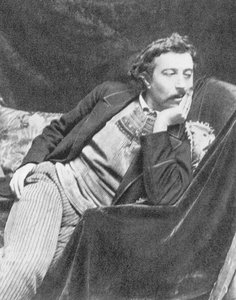
Eugène Henri Paul Gauguin: A Revolutionary Voice of Color and Spirit
Eugène Henri Paul Gauguin, име, което резонира с ярки цветове и буйно дух, е ключова фигура в прехода от импресионизма към модерното изкуство. Роден в Париж през 1848 г., животът му далеч не беше обичаен. Ранните му години бяха оформини от необичайно възпитание – баща му беше журналист, а майка му произхождаше от перуанско благородство – нейният прародител, Флора Тристан, бе пионерна феминистка и социалист, чиито идеали без съмнение са резонирали в семейството. Това наследство дълбоко е повлияло на художественото му виждане, внушавайки му очарование към култури извън Европа. Формиращ период, прекаран в Перу като дете, следвайки преместването на семейството си през 1850 г., го потопи във свят, много различен от парижкия обществен живот – опит, който остана и в крайна сметка подтикна неговото търсене на автентичност в изкуството. Връщайки се във Франция след смъртта на баща си, Гуггенхайм получи формално образование, но се почувства привлечен не към академичните среди, а към развиващия се финансов свят, като започна кариера като брокер – път, който изглеждаше в противоречие с художествената съдба, която го очакваше.
От Финанси към Изкуство
Години наред Гуггенхайм водеше двойствен живот, усърдно преследвайки бизнес начинанията си, докато тайно развиваше страст към рисуването. Първоначално повлиян от импресионистите, той експериментира с цвят и светлина в свободното си време, но скоро се почувства ограничен от тяхното отдаване на запечатването на мимолетни моменти на реалност. Финансовата криза през 1882 г. се оказа преломна точка, принуждавайки го да изостави печелившата си кариера и с цялото си сърце да посвети живота си на изкуството. Това не беше просто промяна в професията; това беше фундаментална трансформация на мирогледа. Той търсеше насоки от Камий Писарро, който го насърчи и го въведе в авангардната среда на Париж. Въпреки това, Гуггенхайм бързо започна да се отклонява от импресионистичните принципи, копнеейки за нещо по-изразяващо, по-символично – средство за предаване не само какво *вижда*, но и какво *чувства*. Това желание го отвежда до пътешествие на художествено изследване, което щеше да го отведе далеч от парижките салони и в сърцето на „примитивните“ култури. Той не се интересуваше просто да описва тези култури; търсеше да ги усвои, вярвайки, че те съдържат чистота, загубена във западната цивилизация. Не беше просто художник – той беше и търсач на смисъл, опитващ се да улови духа на другия свят.
Бретон и Таити: Пътят към Новата Художествена Идентичност
Художественото развитие на Гуггенхайм бе неразривно свързано с пътуванията му. Прекара време в Бретан, очарован от суровата природа и дълбоко вкоренените традиции на неговия народ. Този период видя експериментирането му с плоски форми, смели контури и опростена композиция – техники, които го отдалечиха все повече от реализма и се приближиха до по-символично език. Но пътешествието му до Таити през 1891 г. наистина освободи неговата креативна потенциалност. Търсейки убежище от това, което смяташе за задушаващи ограничения на европейската цивилизация, Гуггенхайм се надяваше да намери вроден източник на вдъхновение в полинезийската култура, вярвайки, че тя предлага по-автентичен и духовен начин на живот. Това не беше просто художествено начинание; това беше духовно търсене. Той се потопи в местните обичаи и вярвания, описвайки полинезийски жени, пейзажи и религиозни практики чрез своя уникален поглед. Вдъхновен от японските гравюри – *Japonisme* – и средновековното изкуство, той разработи отличителен естетически стил, характеризиращ се с ярки цветове, екзотични теми и усещане за мистерия. Иконични картини като
“Vahine no te miti” (Жената с манго),
“Manao Tupapau” (Наблюдавана от духа на мъртвите) и
“Денят на боговете” възникнаха през този период, затвърждавайки неговата репутация като визионерски художник. Неговата употреба на цвят стана все по-смела и нереалистична, служейки не за пресъздаване на реалността, а за изразяване на емоции и духовно значение.
Наследство и Противоречия
Въпреки художествените си пробиви, животът на Гуггенхайм често беше белязан от трудности. Той се бореше с финансови проблеми и намаляващо здраве по време на престоя си в Таити и по-късно на Маркесаските острови, където най-накрая се установил. Въпреки това той продължаваше да рисува проницателно, неуморно изследвайки теми за живота, смъртта и духовността. Той почина през 1903 г. на остров Хява Оа в Маркесаските архипелаг, значително неразбран за своя гений. Само след смъртта му творбите на Гуггенхайм започнаха да получават признанието, което заслужаваха. Днес той е почитан като ключова фигура в развитието на модерното изкуство, свързващ пропастта между импресионизма и символизма и проправящ пътя за движения като фовизъм. Неговата употреба на цвят, опростени форми и символични образи оказа дълбоко влияние върху художници като Пабло Пикасо, Анри Матис и много други. Въпреки това, Гуггенхайм остава противоречива фигура поради аспектите от неговия личен живот – особено отношенията му с млади полинезийски жени – които продължават да бъдат обсъждани и преосмисляни в светлината на съвременните етични съображения. Независимо от това, неговите художествени приноси са неотменими и неговото наследство продължава да вдъхновява художници и любители на изкуството по целия свят. Той беше истинствен иноватор, бунтовник, който се осмели да предизвика конвенциите и да проследи своя собствен път, оставяйки след себе си творба, която е толкова завладяваща и загадъчна, колкото самият той.
Ключови Влияния и Художествени Характеристики
- Импресионизъм: Ранно влияние върху цвета и светлината, по-късно отхвърлено заради фокуса му върху мимолетната реалност.
- Japonisme: Вдъхновение за плоски перспективи, смели контури и декоративни модели.
- Средновековно изкуство: Влияние върху символичните образи и отказ от строгата реалистичност.
- Синтетизъм: Стил, разработен от Гуггенхайм, който подчертава създаването на изкуство въз основа на субективни чувства, а не обективна реалност.
- Примитивизъм: Очарование към неевропейските култури, вярвайки, че те предлагат по-автентичен и духовен начин на живот. Това се от



 Представи си го
 Превключване към принт
 Изпрати
 Сподели
 Детайли

 Изтегляне
 Подобни
 Рентгенова снимка
 Слайдшоу
 Статистика


 Прочетете повече