Революционна визия: Животът и наследството на Заха Хадид
Родена в Багдад, Ирак, през 1950 г., дама Заха Мохамед Хадид се утвърди като една от най-значимите архитектурни сили на нашето време. Нейното пътешествие не започва в традиционните рамки на артистичното възпитание, а сред стимулираща интелектуална среда; баща ѝ, Мухамад ал-Хадж Хусейн Хадид, е бил успешен индустриалист и политик, докато майка ѝ, Ваджиха ал-Сабунджи, е подхранвала страстта към изкуството. Тази уникална смесица от прагматизъм и креативност дълбоко би оформила световната представа на младата Заха. Първоначално изучавайки математика в Американския университет в Бейрут, тя скоро открива, че истинското ѝ призвание лежи в сферата на пространственото проектиране, което я отвежда в Лондон през 1972 г. и я води в Architectural Association School of Architecture. Именно тук, под наставничеството на влиятелни фигури като Рем کولхас, Елиа Зенгелис и Бернард Чуми, радикалното архитектурно мислене на Хадид започва да придобива форма. Тези ментори я насърчават да поставя под въпрос установените норми, създавайки среда, в която експериментът и иновацията процветават — основа, върху която тя изгражда своята изключителна кариера.
Деконструиране на конвенциите: Стил и влияния
Заха Хадид не просто проектира сгради; тя вая преживявания. Широко прославена като пионер на деконструктивизма, нейната работа смело отхвърля твърдите геометрии и конвенционалните форми, които дълго време определяха архитектурната практика. Вместо това тя приема фрагментацията, динамичните криви и усещането за плавно движение, създавайки структури, които сякаш предизвикват самата гравитация. Нейните дизайни не бяха просто функционални пространства; те бяха артистични манифести — мощни изрази на форма и енергия. Влиянието на авангардните движения от началото на 20-ти век, особено супрематизма и творчеството на Казимир Малевич, е ясно забележимо в нейните ранни проучвания. В действителност нейният дипломен проект „Тектоник на Малевич“ служи като мощна демонстрация на нейната ангажираност с абстрактните принципи и нелинейните форми. Но Хадид не беше само имитатор; тя синтезира тези влияния с собствената си уникална визия, освобождавайки архитектурната геометрия и вдъхвайки ѝ нова експресивна идентичност. От решаващо значение е, че рисуването и графиката не бяха просто подготвителни инструменти за Хадид — те бяха неразделна част от самия процес на проектиране, позволявайки ѝ да изследва пространствени концепции и да визуализира сложни форми, преди те да се материализират в бетон и стомана.
Белези на епохата: Глобално въздействие
Хадид основава собствената си практика в Лондон през 1980 г., но признанието не дойде лесно. Нейните ранни проекти често се считаха за твърде радикални и твърде предизвикателни за преобладаващия архитектурен климат. Въпреки това тя прояви упоритост и постепенно нейният иновативен подход започна да печели признание. Hong Kong Peak Club (1983) беше ранно представяне на нейния възникващ стил, подсказващо за спиращите дъха структури, които следват. През следващите десетилетия фирмата на Хадид завърши поредица от емблематични проекти, които преосмислиха градските пейзажи по целия свят. Те включваха плавното и динамично Лондонски акватичен център за Олимпиадата през 2012 г., свидетелство за способността ѝ да създава пространства, които вдъхновяват движение и атлетизъм; музея на изкуството Broad в Мичиган, САЩ, с неговия впечатляващ плисиран фасаден панел от неръждаема стомана; MAXXI – Националният музей на изкуствата от 21-ви век в Рим, Италия, сложна игра на обеми и празноти; Операта в Гуангчжоу в Китай, наподобяваща две гладки камъчета върху Река Перла; и Центъра на Хейдар Алийев в Баку, Азербайджан — спираща дъха вълнообразна структура, която олицетворява нейната характерна криволинейна естетика. Тези проекти не бяха просто сгради — те бяло културни икони, разширяващи границите на архитектурната възможност.
Признание и трайно влияние
Наградите, връчвани на Заха Хадид през цялата ѝ кариера, са доказателство за нейния изключителен талант и трайно въздействие. Тя получи множество отличия, кулминиращи с архитектурната награда „Притцкър“ през 2004 г. — най-високото почести в архитектурата — което я направи първата жена, получила това престижно признание индивидуално. Други отличия включваха наградата „Стърлинг“ (връчена два пъти, през 210 и 2011 г.) и, посмъртно, Кралската златна медаль от Кралския институт на британските архитекти през 2016 г., отново исторически първи за жена. Отвъд архитектурните си постижения, Хадид разруши бариерите като жена архитект в една исторически доминирана от мъже сфера, ставайки вдъхновение за безброй стремящи се дизайнери. Нейното наследство надхвърля физическите структури, които е създала; то се крие в нейното трансформиращо влияние върху архитектурната мисъл и практика. Дори след нейната преждевременна смърт през 2016 г., Zaha Hadid Architects продължава да действа, пренасяйки нейната визия и принципи с непоколебима отдаденост. Нейното изследване на художествени медиуми извън архитектурата — като творбите „Кула Татлин и Тектоник“ — демонстрира уникална синергия между експертизата в дизайна и артистичното изразяване.
Сградите на Заха Хадид стоят като вечни паметници на нейния иновативен дух, оформяйки изградената среда за поколения напред.
Отвъд сградите: Трайно художествено наследство
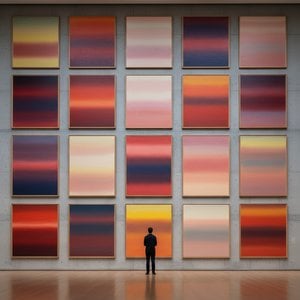
Въпреки че е прославена предимно зара своите архитектурни постижения, творческата визия на Заха Хало се простира далеч отвъд сферата на проектирането на сгради. Тя последователно изследва художествени медиуми като живописта и дизайна на продукти, разглеждайки ги не като отделни дисциплини, а като взаимосвързани изрази на своята уникална естетическа чувствителност. Нейните картини, често характеризиращи се с динамични композиции и абстрактни форми, служеха като концептуални проучвания, които директно вдъхновяваха нейните архитектурни проекти. Тези творби не бяха просто скици или репрезентации; те бяха неразделна част от развитието на нейните идеи, позволявайки ѝ да експериментира с пространствени връзки и визуални текстури, преди да ги преведе в триизмерни структури.
- Ранна живопис: Нейните ранни картини, като „Оранжево експлозия върху бяло“, демонстрират очарование с фрагментирани форми и ярки цветове, предвещавайки деконструктивистките принципи, които биха дефинирали нейния архитектурен стил.
- Дизайнови обекти: Хадид се пристъпи и към дизайна на продукти, създавайки мебели, осветителни тела и други обекти, които отзвучаха с плавните линии и скулптурните качества на нейните сгради. Павилионът Chanel Mobile Art в Токио е отличен пример за този междудисциплинарен подход, демонстриращ способността ѝ да превежда архитектурни концепции в преносима, имерсивна среда.
- Концептуални изследвания: Творби като „Интерпретация на Татлин“ разкриват нейната ангажираност с историческите авангардни движения и желанието ѝ да преинтерпретира модернистките принципи в съвременен контекст.
Този холистичен подход към дизайна затвърди позицията на Хадид не само като архитект, но и като истински визионерски артист, чието влияние продължава да резонира в множество творчески области.



 Преглед в реален мащаб
 Поръчайте ръчно рисувано репродукция на този колекционерски предмет
 Сподели
 Сподели
 Подробности
 Ръководство

 Изтегляне
 Подобни артикули
 Рентгенова снимка
 Слайдшоу
 Статистика


 Разгърни целия текст






































 Опцията със стъкло е налична само за размери под 110 см