Биография на художника
A Visionary of Victorian Britain
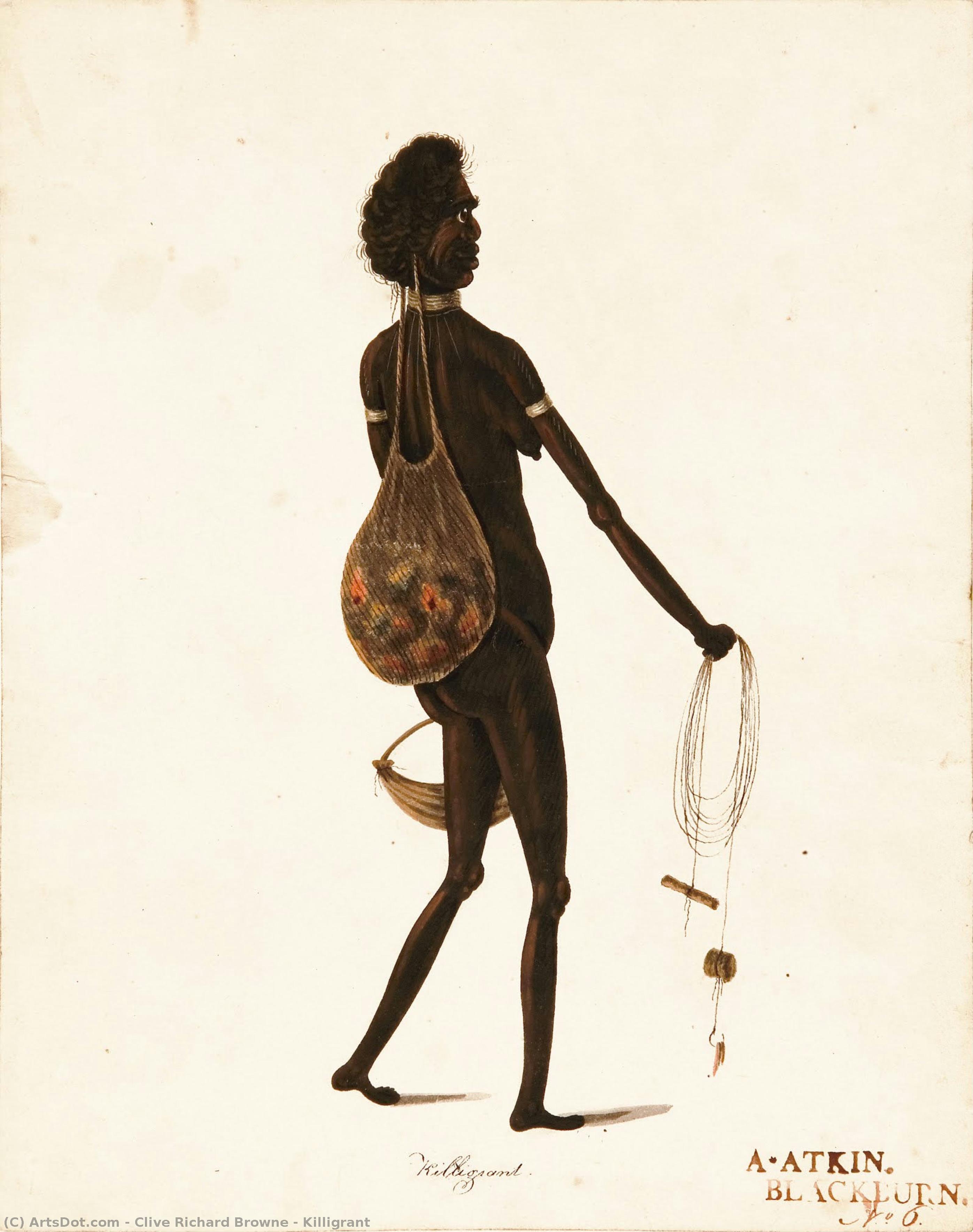
Clive Richard Browne (1901–1991) stands as a singular figure in British art, renowned for his masterful synthesis of realism and impressionistic techniques. Born in Worcestershire, England, Browne’s artistic journey began with an early fascination for landscape painting—a passion nurtured by the serene beauty of the Cotswolds countryside. He was educated at Cheltenham College and later pursued formal training at the Slade School of Fine Art in London, honing his skills in draughtsmanship and mastering traditional oil painting methods.
His formative years were marked by exposure to Impressionist luminaries like Claude Monet and Pierre-Auguste Renoir, whose explorations of light and color profoundly impacted his artistic sensibilities. These artists championed a vision of beauty rooted in observation and emotion—a principle that would permeate Browne’s entire oeuvre. He skillfully employed atmospheric perspective—a technique borrowed from Baroque painters—to convey depth and grandeur within his canvases.
Browne's artistic evolution can be traced through a series of exhibitions showcasing his growing confidence and stylistic refinement. Initially hesitant to embrace bold color palettes, he gradually incorporated Impressionistic hues into his compositions—a subtle yet decisive shift that elevated the expressive power of his paintings. He meticulously layered thin glazes upon textured surfaces, creating luminous effects reminiscent of Monet’s iconic landscapes.
Browne's unwavering dedication to artistic excellence garnered him considerable acclaim throughout his illustrious career. He achieved international renown for his landscapes, particularly those depicting the Dorset coast—a region celebrated for its dramatic cliffs and turbulent seas. His paintings were exhibited extensively in prestigious galleries across Europe and America, cementing his reputation as one of Britain’s foremost landscape artists. Numerous commissions graced his studio—ranging from portraits of prominent figures to murals adorning public buildings—demonstrating the breadth of his artistic versatility.
Browne's legacy extends beyond his individual artworks; he embodies a pivotal moment in British art history—the harmonious convergence of realism and Impressionism. By skillfully blending traditional craftsmanship with innovative stylistic approaches, he championed a vision of beauty rooted in both observation and emotion. He was a member of North Lincolnshire Art Society and RBA and exhibited at RA, RCamA RHA, RBSA, NS, Walker Art Gallery in Liverpool. His main works included The Old Vicarage Garden and Winter Trees. Usher Gallery, Lincoln, holds his work. For many years lived at Waltham, Lincolnshire, latterly at Horsforth, Yorkshire.
The Development of His Distinctive Style
Browne’s artistic evolution can be traced through a series of exhibitions showcasing his growing confidence and stylistic refinement. Initially hesitant to embrace bold color palettes, he gradually incorporated Impressionistic hues into his compositions—a subtle yet decisive shift that elevated the expressive power of his paintings. He meticulously layered thin glazes upon textured surfaces, creating luminous effects reminiscent of Monet’s iconic landscapes.
Browne skillfully employed atmospheric perspective—a technique borrowed from Baroque painters—to convey depth and grandeur within his canvases. His masterful blending of traditional craftsmanship with innovative stylistic approaches cemented his reputation as one of Britain’s foremost landscape artists. He achieved international renown for his landscapes, particularly those depicting the Dorset coast—a region celebrated for its dramatic cliffs and turbulent seas.
Major Achievements and Recognition
Browne’s unwavering dedication to artistic excellence garnered him considerable acclaim throughout his illustrious career. He achieved international renown for his landscapes, particularly those depicting the Dorset coast—a region celebrated for its dramatic cliffs and turbulent seas. His paintings were exhibited extensively in prestigious galleries across Europe and America, cementing his reputation as one of Britain’s foremost landscape artists. Numerous commissions graced his studio—ranging from portraits of prominent figures to murals adorning public buildings—demonstrating the breadth of his artistic versatility.
Browne was a member of North Lincolnshire Art Society and RBA and exhibited at RA, RCamA RHA, RBSA, NS, Walker Art Gallery in Liverpool. His main works included The Old Vicarage Garden and Winter Trees. Usher Gallery, Lincoln, holds his work. For many years lived at Waltham, Lincolnshire, latterly at Horsforth, Yorkshire.
Historical Significance
Browne's legacy extends beyond his individual artworks; he embodies a pivotal moment in British art history—the harmonious convergence of realism and Impressionism. By skillfully blending traditional craftsmanship with innovative stylistic approaches, he championed a vision of beauty rooted in both observation and emotion. He achieved international renown for his landscapes, particularly those depicting the Dorset coast—a region celebrated for its dramatic cliffs and turbulent seas. His paintings were exhibited extensively in prestigious galleries across Europe and America, cementing his reputation as one of Britain’s foremost landscape artists. Numerous commissions graced his studio—ranging from portraits of prominent figures to murals adorning public buildings—demonstrating the breadth of his artistic versatility.



 Купи картина
 Изпрати
 Сподели
 Детайли

 Изтегляне
 Подобни
 Рентгенова снимка
 Слайдшоу


 Прочетете повече






































 Стъклото е налично само в размери под 110 см