Преглед в реален мащаб Преглед с AR Превключване към принт Купете ръчно рисувана картина Изпрати
Детайли Ръководство Добави в любими Изтегляне Подобни артикули Рентгенова снимка Слайдшоу Q&A Статистика

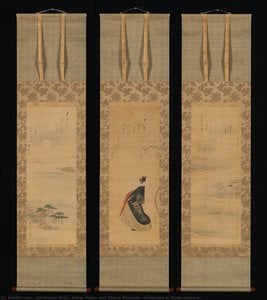
Praying for rain

Explore the captivating world of chobunsai eishi, a renowned Japanese ukiyo-e artist celebrated for his exquisite bijin-ga portraits & scenes from 'The Tale of Genji'. Discover his legacy!

Получете файл, готов за печат, който предлага много по-високо качество от уеб прегледа. Всяко дигитално изображение, което предлагаме, е извлечено от висококачествен оригинал в нашата база данни — обикновено с ширина между 5 000 и 15 000 пиксела — така че със сигурност да можете да принтирате в голям формат, да кадрирате тесно или да възпроизведете фините детайли.

Нито един файл не напуска нашето студио без внимание. Дигитален експерт проверява цветовете спрямо оригиналната картина и ги коригира при необходимост, след което подобрява яснотата и детайлите с професионални инструменти за ретуш — винаги оставайки верен на мазките и стила на художника. Резултатът е изображение, което изглежда като самата картина, а не като сканиран образ с филтър.

Одобрявате преди финализиране: нашият експерт ще изпрати изображението по имейл в рамките на 72 часа за ваш преглед. Не сте доволни? Можете да поискате подобрения или корекции, или пълно възстановяване на сумата, ако качеството не отговаря на очакванията ви.

Това е качеството, на което разчитат издателства, дизайн студиа, галерии и печатници.

Дигитално изображение

Изтеглете файл с висока резолюция за лично съхранение, принтиране и творчески проекти. ( Превключване към принт Купете ръчно рисувана картина)

Обща цена

€ 21,95

Включено във всяка поръчка за дигитални изображения

Гарантирана експертна дигитална доставка

Избирайки WahooArt.com, вие не получавате просто изображение – вие придобивате професионално обработена дигитална творба, създадена с прецизност и подкрепена от гаранция за удовлетворение. Ето какво автоматично е включено във вашата поръчка:

Бърза доставка по имейл

Вашето дигитално изображение с висока резолюция ще бъде изпратено по имейл в рамките на 72 часа от поръчката – готово за незабавно използване.

Дигитален файл с подобрено качество чрез ИИ

Вашата картина е професионално оптимизирана чрез усъвършенствани инструменти с изкуствен интелект и ръчна редакция, което гарантира максимална детайлност, яснота и точност на цветовете.

Безплатна доживотна повторна доставка

Изгубили сте или сте изтрили файла си по погрешка? Не се притеснявайте – ще го изпратим отново на Вас по всяко време, безплатно.

Без митнически такси – завинаги

Насладете се на вашето произведение незабавно, без мита, такси или разходи за доставка – дигиталните изтегляния винаги са освободени от данъци.

Гаранция за цветово съответствие

Гарантираме, че вашето дигитално изображение отразява оригиналните цветове възможно най-точно чрез използването на професионални инструменти и системи за управление на цветовете.

100-дневна гаранция за удовлетвореност

Ако не сте доволни от вашето дигитално изображение, ще го преработим или ще възстановим 100% от сумата в рамките на 100 дни – без излишни въпроси.

100% Гаранция за връщане на сумата

Не сте доволни? Получете пълен възврат на сумата в рамките на 100 дни от получаването на вашия цифров файл – без излишни въпроси.

Отстъпки за големи поръчки

Купете 3 изображения, спестете 10% - Купете 5, спестете 15% - Купете 10+, спестете 20%. Идеално за творчески проекти, галерии и агенства.


Биография на художника

Chobunsai Eishi: The Poet of Beauty

Chobunsai Eishi (1756-1829), also known as Hosoda Tokitomi, stands as a pivotal figure in the vibrant world of Edo-period Japanese art. Born into a distinguished samurai family within the prestigious Fujiwara clan – a lineage tracing back to influential roles within the shogunate – Eishi’s life was one of privilege and ultimately, artistic liberation. His early years were marked by service within the Tokugawa court, a position he relinquished in 1789 to dedicate himself fully to his passion: capturing the exquisite beauty of women and the evocative narratives of classic literature. Eishi's legacy rests primarily on his masterful *bijin-ga* – portraits of beautiful women – but his work also encompasses scenes drawn from celebrated tales like “The Tale of Genji,” demonstrating a profound understanding of both artistic technique and cultural storytelling.

Early Life and Artistic Foundations

Eishi’s origins were steeped in tradition and influence. His grandfather, Hosoda Tokitoshi, had served as Treasury Minister to the shogunate, providing his family with a secure position within the imperial system. This background instilled in Eishi a sense of decorum and an appreciation for refined aesthetics. While the exact circumstances surrounding his artistic awakening remain somewhat shrouded in mystery, it’s believed he received early instruction from Kanō Michinobu, a prominent master of the Kanō school of painting – renowned for its meticulous detail and stylized depictions of nature and religious subjects. The influence of this training is evident in Eishi's initial works, which shared some stylistic similarities with the Kanō tradition. However, Eishi quickly forged his own distinctive path, establishing himself as a leading figure within the *ukiyo-e* genre, known for its woodblock prints capturing fleeting moments of beauty and everyday life. The name “Eishi,” bestowed upon him – whether by Shogun Ieharu or through tradition – marked a significant step in his artistic journey, signifying his recognition as a skilled artist.

A Rivalry of Styles: Kiyonaga and Utamaro

Eishi’s rise to prominence coincided with the flourishing careers of two other masters of *bijin-ga*: Kitagawa Kiyonaga and Utamaro Nishimura. Initially, Eishi found himself in direct competition with Kiyonaga, whose bold compositions and dramatic use of color set a high standard for portraiture. However, Eishi’s unique approach – characterized by an emphasis on elegance, subtlety, and a nuanced portrayal of female beauty – gradually established him as a distinct voice within the field. He skillfully captured not just physical appearance but also the inner lives and emotions of his subjects, creating portraits that resonated with viewers long after they were created. While Kiyonaga favored grand scale and theatrical presentation, Eishi excelled at conveying intimacy and grace, often depicting women in quiet moments of contemplation or delicate activities. This subtle difference in style ultimately cemented Eishi’s place alongside Utamaro as one of the most celebrated *bijin-ga* artists of his time.

Technique and Subject Matter

Eishi's technical prowess was remarkable, particularly for a period when woodblock printing was still evolving. He mastered the art of color layering – *nishiki-e*, utilizing multiple colors to create rich, luminous effects. His prints often featured subdued tones, reflecting contemporary regulations that discouraged ostentatious displays of wealth and extravagance. However, Eishi’s skill lay not just in his technical execution but also in his ability to imbue his subjects with a sense of life and personality. He frequently depicted women engaged in literary pursuits, such as reading or writing poetry – drawing inspiration from classic tales like “The Tale of Genji.” These scenes offered glimpses into the lives of women during the Edo period, revealing their intellectual interests and social roles. Notably, Eishi’s later works became increasingly characterized by elongated figures, with heads disproportionately small—a stylistic choice that emphasized elegance and refinement.

Legacy and Influence

Following 1801, Eishi abandoned print design to dedicate himself entirely to painting, a decision that solidified his reputation as a master of the brush. He was granted the honorary title *Jibukyō* (治部卿), recognizing his exceptional talent and contributions to the arts. His final years were marked by quiet contemplation and artistic refinement. Eishi’s work continues to captivate audiences today, admired for its exquisite beauty, subtle emotional depth, and masterful technical execution. His influence can be seen in subsequent generations of *ukiyo-e* artists, who drew inspiration from his elegant style and innovative approach to portraiture. Chobunsai Eishi remains a testament to the power of artistic vision and the enduring appeal of capturing the beauty of human experience through art. His prints are held in major museums worldwide, ensuring that his legacy will continue to inspire and delight for centuries to come.
Chobunsai Eishi

Chobunsai Eishi

1756 - 1800

Бърза справка

  • Full Name: chobunsai eishi (Hosoda Tokitomi)
  • Nationality: Japanese
  • Date Of Birth: 1756
  • Date Of Death: 1800
  • Place Of Birth: Japan
  • Notable Artworks:
    • Snow, Moon, and Cherry Blossoms
    • Three Gods… Yoshiwara
    • Three Women… Sumida River
  • Artistic Movement Or Style: Ukiyo-e, Bijin-ga
  • Artists Who Influenced This Artist: ['Kanō Michinobu']
  • Artists Or Movements Influenced By This Artist:
    • Kiyonaga
    • Utamaro