A Life Rooted in Observation: The World of Camille Pissarro
Camille Pissarro, името което е синоним на раждането и еволюцията на импресионизма, беше художник чийто живот отразяваше променящите се пейзажи, които толкова отдаденост рисуваше. Роден като Яков Авраам Камил Писаро на 10 юли 1830 г. в Чарлът Амали, Франция – тогава част от Даниеските западноиндийски острови, сега САЩ Вирджински острови – неговите произходни бяха толкова разнообразни и ярки, колкото и сцените, които по-късно ще определят неговата художествена визия. Неговият баща, португалски евреин с френско гражданство, а неговата майка от френско-еврейско семейство на острова, внушиха му уникално културно наследство. Това възпитание, макар и нетрадиционно поради семейна сложност, заложи основата за ранна чувствителност към света около него, качество, което ще стане основен камък в неговата художествена практика. Неговата първоначална формална подготовка в Академията Савари близо до Париж му осигури основа в традиционни техники, но неговото завръщане в Сент Томас и последващата му работа като складкар всъщност запали страстта му към наблюдение. Бурният пристанищен град, оживеният местен живот и дивата красота на карибския пейзаж станаха първите му теми, оформяйки око, което е остро приспособлено да улавя нюансите на ежедневието.
От Реализъм до Революция: Художествено Развитие
Художественото пътешествие на Писаро беше едно постоянно изследване и усъвършенстване. След период на помощ за датския художник Антон Мелбие в Париж, той се потопи в творбите на майстори като Густав Корьо, Жан-Баптист-Камил Коро и Оноре Домие – художници, които проповядваха реализъм и социален коментар. Първоначално търсеше приемане в установения художествен свят, излагайки на Парижкия салон, но скоро откри неговите ограничения за смазващи. Ключов момент дойде с неговото обявяване на *plein air* живопис – работат директно от природата – практика, насърчавана от Коро, която ще стане централна част от импресионизма. Този преход не беше просто технически; той представляваше философска промяна, желание да улови мимолетните ефекти на светлината и атмосферата, същността на сцената, а не нейната точна репрезентация. Той започна да експериментира с по-свободна мазка и по-ярки палитри, отдалечавайки се от академичните конвенции към по-субективен и изразявателен стил. Ранните му пейзажи, въпреки че все още са основани на реализъм, намекваха за революционния път, който предстоеше да извърви. Този период видя неговото борене за намиране на собствения си глас сред нарастващия художествен разтърсване в Париж, град, преминаващ през бърза трансформация, която осигуряше безкрайни вдъхновения.
Бащата на Импресионизма
Камил Писаро не беше просто *импресионист*; той беше може би неговата най-последователна и обединяваща сила. Уникално, той излагаше творбите си на всички осем Парижски импресионистични изложби между 1874 и 1886 г., действайки като стабилизиращ елемент в група, често характеризирана с вътрешни разногласия и индивидуални амбиции. Той не беше просто присъствал – той активно насърчаваше своите съвременници, предлагайки подкрепа, насоки и необходимото чувство за приятелство. Това му спечели любящата прозвище “баща на движението”. Неговото отдаденост на художествената свобода и иновациите беше непоклатима, дори в лицето на критична порицание и обществено безразличие. Той вярваше във силата на колективните действия и защитаваше идеята за художници да излагат независимо от ограниченията на Салона. Отвъд неговата собствена работа, влиянието на Писаро се разпростира върху по-младо поколение художници, включително Паул Цезан, Винсент ван Гог и Паул Гуген, които той наставляваше и дълбоко повлия на тях. Той им предостави не само технически съвети, но и философски рамка за техните художествени изследвания. Неговата готовност да експериментира го доведе временно до неоимпресионизма, повлиян от техниките на Джордж Сеур и Паул Сигна, преди в крайна сметка да се върне към по-персонализиран стил, който съчетаваше неговите ранни влияния с нови открития.
Пейзажи на Живота: Теми и Наследство
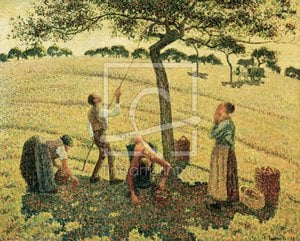
Художественият изход на Писаро беше забележително разнообразен, но постоянно се фокусира върху света около него. Той е известен със своите изображения както на селски, така и на градски пейзажи, често представяйки сцени от ежедневието – селяни, работещи в полета, оживени парижки улици, тихи градски площади. Неговите картини не бяха просто живописни гледки; те бяха социални коментари, отразяващи неговата дълбока емпатия към работния клас и неговото ангажиране да представя техните живот с достойнство и уважение.
- Пейзажи: Известен със запечатването на красотата както на провинцията, така и на града.
- Сцени от парижкия живот: Ярки изображения на бързо променящ се мегаполис.
- Селски живот: Отразява неговото социално съзнание и емпатия към работния клас.
Неговите по-късни творби, особено тези, създадени по време на периоди на политически вълнения или лични трудности, често носят усещане за меланхолия и социален коментар. Наследството на Писаро се простира отвъд неговите красиви картини. Той беше шампион на художествената свобода, ментор на поколения художници и пионер в развитието на модерното изкуство. Неговата отдаденост на *plein air* живописта революционизира пейзажния артистизъм, а нейната готовност да експериментира с различни стилове демонстрира неговото интелектуално любопитство и непоклатима отдаденост на занаята си. Днес неговите произведения са притежавани от големи музеи по целия свят, продължавайки да вдъхновяват и очарова публиката с тяхната искреност, красота и дълбоко човечество.
Художествените творби на Писаро не са просто запис на света както е бил; те са свидетелство за силата на наблюдението, съчувствието и художествената иновация.



 Преглед в реален мащаб
 Поръчайте ръчно рисувано репродукция на този колекционерски предмет
 Сподели
 Сподели
 Подробности
 Ръководство

 Изтегляне
 Подобни артикули
 Рентгенова снимка
 Слайдшоу
 Статистика


 Разгърни целия текст






































 Опцията със стъкло е налична само за размери под 110 см