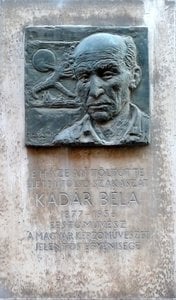
Унгарски глас на авангарда: Животът и изкуството на Бела Кадар
Роден в работническа еврейска фамилия в Будапеща през 1877 г., пътят на Бела Кадар към превръщането му в ключова фигура в авангардното изкуство на началото на XX век е изкован чрез трудности и непоколебима отдаденост на артистичното проучване. Формалното му образование е ограничено до шест години, но липсата на традиционна училищна подготовка сякаш го освобождава от конвенционалните ограничения, позволявайки на един уникално личен визуален език да се роди. Кадар започва професионалния си живот не с четка в ръка, а като ученик-токар – занаят, който дълбоко влияе на неговите художествени сетива, вдъхвайки му дълбоко разбиране за формата, структурата и естествената красота, открита в индустриалните материали. Дори през тези ранни години обаче неговият творчески дух е проявявал своята сила; първоначално той се фокусира върху рисуването на стенописи из цяла Будапеща, демонстрирайки вродената склонност към мащабната визуална експресия и разказване на истории. Този основополагащ период полага основите на смелите и динамични композиции, които по-къщум ще определят неговото творческо дело.
Париж, Берлин и синтезът на стиловете
Истинският катализатор за артистичното развитие на Кадар идва с пътуванията му до Париж и Берлин през 1910 г. Тези пътешествия го излагат на разцветаващите авангардни движения, преливащи през Западна Европа, което необратимо променя неговата художествена траектория. Той се сблъсква с радикални идеи на Der Blaue Reiter, фрагментираните форми на кубизма, динамизма на футуризма и суровата енергия на неопримитивизма – влияния, които той не просто приема безпроговорно, а синтезира в собствен, отличителен визуален речник. Кадар не се стреми да се приобщи към някой единствен „стил“; вместо това той се посвещава на постоянно изследване на формата, цвета и композицията, движен от ненаситна жажда да се освободи от оковите на традиционното представително изкуство. Той абсорбира елементи от конструктивизма и дори сънливите качества на метафизичното рисуване, преплитайки ги в сложна тъкан, която отразява неговата уникална перспектива. Този период бележи решаваща повратна точка, трансформираща го от обещаващ стенописец в истински иновативен творец на прага на международното признание.
Признание и международен размах
Пробивният момент на Кадар настъпва през октомври 1923 г. с изложба в престижната галерия Galerie der Sturm на Херварт Валден в Берлин. Тази демонстрация представя неговата работа в отчетливо експресионистичен стил, незабавно привличайки внимание и утвърждавайки го като сила, която трябва да бъде взета предвид на европейската арт сцена. Галерията, известна със защитаването на радикални нови художествени гласове, предоставя на Кадар идеална платформа за свързване с колекционери и съратници по изкуството, които споделят неговата ангажираност с експеримента. Допълнително укрепват международния му авторитет две изложби, организирани от Катрин Дрейер в Бруклинския музей на изкуството в Ню Йорк през 1926 и 1928 г. Бележително е, че Кадар посещава втората изложба, затвърждавайки присъствието си в американския художествен пейзаж и изграждайки ценни връзки в разрастващото се модернистки движение отвъд Атлантика. Неговите картини през този период често изобразяват сцени от унгарския фолклор, интимни портрети и фрагменти от селския живот – теми, предадени с дръзка цветова палитра и динамични композиции, които улавят както духа на родината му, така и енергията на модерната епоха.
Наследство от смела иновация
Художественият стил на Бела Кадар е веднага разпознаваем заради своята жизнена и експресивна употреба на цвета, често използвайки не-натуралистични нюанси за предаване на емоция и атмосфера. Неговите композиции се характеризират с осезаемо чувство за движение и енергия, постигнато чрез взаимодействието на линии, форми и фигури, които сякаш вибрират върху платното. Той често използва техниката импасто – нанасяне на дебели слоеве боя – създавайки текстурирани повърхности, които засилват визуалното въздействие на неговата работа и канят към тактилна рецепция. Но може би това, което наистина отличава Кадар, е неговата забележителна способност да синтезира тези разнообразни художествени влияния в кохерентен и оригинален стил. Той представлява ключово звено между унгарския авангард и по-широките европейски движения на неговото време, отразявайки социалните и политически превратности на началото на XX век в своето изкуство. Въпреки че не вина е бил толкова широко празнуван по времето на живота си, колкото някои негови съвременници, творчеството на Кадар преживява възраждане през последните десетилетия, като учените все по-често признават неговия значителен принос към модерното изкуство. Той умира в Будапеща през 1956 г., оставяйки след себе си наследство от смели и иновативни картини, които продължават да вдъхновяват творци и да очароват публиката днес – свидетелство за вечната сила на един творец, който е дръзнал да проложи свой собствен път.
Ключови характеристики на творчеството на Кадар
- Дръзка цветова палитра: Кадар е известен със своята жизнена и експресивна употреба на цвета, често използвайки не-натуралистични нюанси за предаване на емоция и атмосфера.
- Динамична композиция: Неговите композиции се характеризират с чувство за движение и енергия, постигнато чрез взаимодействието на линии, форми и фигури.
- Техника импасто: Той често използва дебели слоеве боя (импасто), за да създаде текстурирани повърхности и да засили визуалното въздействие на своите произведения.
- Уникален синтез: Способността на Кадар да синтезира разнообразни художествени влияния в кохерентен и оригинален стил го отличава като значима фигура в изкуството на началото на XX век.
- Теми и сюжети: Неговите картини често изобразяват сцени от фолклора, селския живот и интимни портрети, предадени с дръзки цветове и динамични композиции. Той също така изследва абстрактни теми и експериментира с фрагментирани форми.



 Преглед в реален мащаб
 Избор на принт
 Сподели
 Сподели
 Подробности
 Ръководство

 Изтегляне
 Подобни артикули
 Рентгенова снимка
 Слайдшоу
 Статистика
 Разгърни целия текст