


Получете файл, готов за печат, който предлага много по-високо качество от уеб прегледа. Всяко дигитално изображение, което предлагаме, е извлечено от висококачествен оригинал в нашата база данни — обикновено с ширина между 5 000 и 15 000 пиксела — така че със сигурност да можете да принтирате в голям формат, да кадрирате тесно или да възпроизведете фините детайли.
Нито един файл не напуска нашето студио без внимание. Дигитален експерт проверява цветовете спрямо оригиналната картина и ги коригира при необходимост, след което подобрява яснотата и детайлите с професионални инструменти за ретуш — винаги оставайки верен на мазките и стила на художника. Резултатът е изображение, което изглежда като самата картина, а не като сканиран образ с филтър.
Одобрявате преди финализиране: нашият експерт ще изпрати изображението по имейл в рамките на 72 часа за ваш преглед. Не сте доволни? Можете да поискате подобрения или корекции, или пълно възстановяване на сумата, ако качеството не отговаря на очакванията ви.
Това е качеството, на което разчитат издателства, дизайн студиа, галерии и печатници.
Изтеглете файл с висока резолюция за лично съхранение, принтиране и творчески проекти. ( Превключване към принт Купете ръчно рисувана картина)
Избирайки WahooArt.com, вие не получавате просто изображение – вие придобивате професионално обработена дигитална творба, създадена с прецизност и подкрепена от гаранция за удовлетворение. Ето какво автоматично е включено във вашата поръчка:
Вашето дигитално изображение с висока резолюция ще бъде изпратено по имейл в рамките на 72 часа от поръчката – готово за незабавно използване.
Вашата картина е професионално оптимизирана чрез усъвършенствани инструменти с изкуствен интелект и ръчна редакция, което гарантира максимална детайлност, яснота и точност на цветовете.
Изгубили сте или сте изтрили файла си по погрешка? Не се притеснявайте – ще го изпратим отново на Вас по всяко време, безплатно.
Насладете се на вашето произведение незабавно, без мита, такси или разходи за доставка – дигиталните изтегляния винаги са освободени от данъци.
Гарантираме, че вашето дигитално изображение отразява оригиналните цветове възможно най-точно чрез използването на професионални инструменти и системи за управление на цветовете.
Ако не сте доволни от вашето дигитално изображение, ще го преработим или ще възстановим 100% от сумата в рамките на 100 дни – без излишни въпроси.
Не сте доволни? Получете пълен възврат на сумата в рамките на 100 дни от получаването на вашия цифров файл – без излишни въпроси.
Купете 3 изображения, спестете 10% - Купете 5, спестете 15% - Купете 10+, спестете 20%. Идеално за творчески проекти, галерии и агенства.
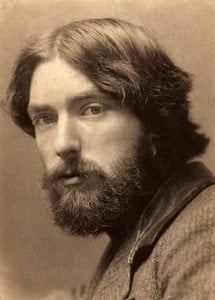
“ Villiers David,” painted in 1932 by Augustus Edwin John, isn’t a grand historical portrait or a flamboyant depiction of celebrity. Instead, it offers a remarkably intimate glimpse into the face and demeanor of an unknown gentleman. The subject, dressed in the restrained elegance of a well-tailored suit – a dark grey wool that speaks to both wealth and understated taste – is seated with his hands resting thoughtfully on his chin. His gaze, direct yet not confrontational, holds a quiet confidence, a subtle suggestion of intelligence and perhaps even melancholy. John’s masterful observation captures the nuances of human expression, revealing more than just physical features; he conveys a sense of personality, a hint of inner life.
Augustus Edwin John was, by nature, an artist who defied easy categorization. Born in Wales, he cultivated a distinctly bohemian lifestyle, flitting between London and the French Riviera, always seeking inspiration and challenging conventional artistic norms. His style is characterized by a remarkable sensitivity to light and color, combined with a loose, expressive brushstroke that imbues his paintings with a palpable sense of movement and emotion. “ Villiers David” exemplifies this approach perfectly – it’s not a meticulously rendered likeness but rather an impression, a feeling captured on canvas.
John's work is often described as ‘impressionistic,’ though he deliberately avoided strict adherence to the style, preferring instead to develop his own unique visual language.The painting’s strength lies in John’s skillful manipulation of light and shadow. He employs a broken brushstroke technique, layering colors rather than blending them smoothly, creating a shimmering effect that seems to emanate from within the canvas. The background is deliberately muted – a simple chair provides minimal distraction – allowing the viewer's attention to remain firmly focused on the subject’s face. The use of warm tones in his clothing contrasts with the cooler shades of the background, further emphasizing his presence and drawing us into his gaze. John’s meticulous attention to detail, particularly in rendering the textures of the fabric and the subtle nuances of light reflecting off the man's glasses, is truly remarkable.
Painted in 1932, “ Villiers David” reflects a period of significant social and cultural change. Britain was emerging from the austerity of the Great Depression, and there was a growing sense of uncertainty about the future. John’s portrait can be interpreted as a meditation on these anxieties – the man's quiet confidence suggests resilience in the face of adversity, while his contemplative gaze hints at the complexities of human experience. The inclusion of the glasses is particularly noteworthy; they symbolize intellect and observation, suggesting that this individual possesses both wisdom and a critical eye. The portrait also speaks to John’s lifelong fascination with the Romani people, whom he often depicted in his work, capturing their vibrant spirit and unique perspective.
Ultimately, “ Villiers David” is a profoundly moving painting. It's not merely a portrait; it’s an invitation to connect with another human being, to share in his thoughts and feelings. The man’s gaze holds a quiet dignity and a hint of melancholy, prompting us to consider our own place in the world. It’s a reminder that even in the midst of uncertainty, there is beauty and meaning to be found in simple moments of reflection. Reproductions of this piece offer a chance to bring this intimate portrait into your home, inviting contemplation and adding a touch of understated elegance to any space.
„Villiers David“ се определя от палитра в Earthy, водена от Phthalo Green (#2a211f).
Палитрата на „Villiers David“ на Август Едwin Джон е описана като Earthy. Това е кратко описание на цветовете в произведението.
Повторящите се теми в творчеството на Август Едwin Джон включват welsh bohemian, john singer sargent, portraiture, victorian era, british society, head injury, artistic transformation, resilience; „Villiers David“ се фокусира върху portrait, man, glasses, mustache, suit, victorian, 1932.

1878 - 1961 , Уелс
 Преглед в реален мащаб
 Изпрати
 Сподели
 Детайли
 Ръководство

 Изтегляне
 Подобни артикули
 Рентгенова снимка
 Слайдшоу
 Въпроси и отговори
 Статистика


 Прочети повече


