x
Представи си гоПредстави си го AR прегледAR преглед Купете принт Купете принтКупете изображение Купете изображение ИзпратиИзпрати
ДетайлиДетайли Добавяне към любими Добавяне към любими ИзтеглянеИзтегляне ПодобниПодобни Рентгенова снимкаРентгенова снимка СлайдшоуСлайдшоу

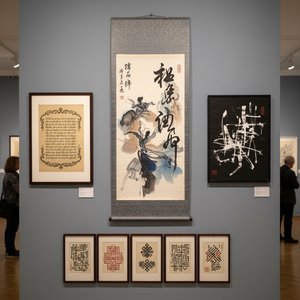
Untitled (DD2DKZ)

Exquisite Japanese calligraphy by Ashikaga Yoshimitsu – a rare aged paper piece showcasing traditional brushwork & historical significance. Discover this unique art.

Ashikaga Yoshimitsu (1358-1408): 3rd Ashikaga Shogun, patron of Zen Buddhism & art. Unified Japan, fostered Sino-Japanese trade. Explore his legacy!

Ръчно изработена маслена репродукция

Ръчно рисувана маслена картина върху платно във вашия размер и рамка, изработена по поръчка от нашите художници. (Купете принт Купете принтКупете изображение Купете изображение)

Стандартен
по поръчка
CM
INCH

Изберете от предварително зададените размери, които съответстват на оригиналните пропорции на произведението.

ширина
височина

Можете да въведете свои собствени размери, за да пасне на конкретна рамка или пространство. Ако избраният от вас размер не съответства на пропорциите на оригиналното изображение, ние ще изрежем произведението или ще удължим картината с допълнителни ръчно рисувани елементи. Дигитален макет ще бъде изпратен за ваше одобрение преди започване на производството.
Моля, обърнете внимание, че прегледът на екрана не отразява действителното изрязване или разширяване. Само макетът ще покаже точно финалния състав.
Въпреки че са налични персонализирани размери, препоръчваме да изберете размер от предварително дефинирания списък, за да запазите оригиналните пропорции.

Примери за това какво може да се промени: Заменете лице с клиентска снимка; Добавете домашен любимец (например заменете котка с куче); Включете скрито послание на фона; Променете пейзажа или елементите на фона.
След поръчка, екипът на WahooArt.com ще изпрати имейл на клиента за инструкции и ще предостави преглед на макет.

Доставка по целия свят () в рамките на 3/4 седмици вместо стандартните 5 седмици. (28 Август). Без компромис с качеството.

why_choose_icon
Безплатна експресна доставка по целия свят
why_choose_icon
Висококачествено ленено платно
why_choose_icon
Пълно застраховане при доставка
why_choose_icon
Гаранция за възстановяване на митнически такси
why_choose_icon
Гаранция за цветова точност
why_choose_icon
60-Дневен период за връщане (Само при дефекти)
why_choose_icon
100% Гаранция за връщане на парите
why_choose_icon
Предложение за отстъпка при поръчка на едро

Обща цена

$ 272

reproduction

Untitled (DD2DKZ)

Репродукционен метод

Размер на репродукцията

-

Обща цена

$ 272


Биография на художника

Ashikaga Yoshimitsu: A Life of Power and Patronage

Early Life and Ascension

  • Ashikaga Yoshimitsu (September 25, 1358 – May 31, 1408) was the third shōgun of the Ashikaga shogunate, ruling Japan during the Muromachi period.
  • Born in Kyoto as Haruō, he was the oldest surviving son of Ashikaga Yoshiakira.
  • He ascended to the position of shōgun at the young age of ten in 1368, inheriting a hereditary title that commanded the military estate.
  • By twenty, Yoshimitsu had gained prominence within the imperial court, serving as acting grand counselor (gon dainagon).

Political and Institutional Reforms

  • In 1379, Yoshimitsu initiated a significant reorganization of the *gozan zen* (Five Mountain Zen) establishment, solidifying its institutional framework.
  • He broke precedent in 1381 by becoming the first member of the samurai class to host a reigning emperor at his private residence – a demonstration of growing shogunal power.
  • A pivotal achievement was his successful negotiation in 1392, bringing an end to the Nanboku-chō imperial schism that had divided Japan for over half a century.
  • Further elevating his status, he became grand chancellor of state (daijō daijin) in 1394, the highest rank within the imperial court.

Retirement and Cultural Flourishing

  • Yoshimitsu retired from public office in 1395, taking religious vows and retreating to his lavish retirement villa, Kitayama-dono.
  • Kitayama-dono was renowned for its opulence, most notably the Kinkaku Shariden (Golden Pavilion), two-thirds covered in gold leaf – a symbol of Yoshimitsu’s wealth and power.
  • During his retirement, he received envoys from both the Ming and Joseon courts on at least six occasions, establishing crucial trade relations with China that lasted over a century.

Diplomacy and Recognition

  • Yoshimitsu skillfully navigated diplomatic complexities, often employing displays of subservience to secure favorable terms from the Ming dynasty.
  • In recognition of his efforts, the Chinese sovereign bestowed upon him the title “King of Japan” (Nihon Kokuō).
  • In 1407, he ambitiously attempted to assume the title *daijō tenno* – a designation typically reserved for retired emperors. Though unrealized due to his death, this move underscored his desire for ultimate authority.

Artistic and Religious Legacy

  • Late in his career, Yoshimitsu increasingly sought to legitimize his power through the lens of Buddhist kingship.
  • He employed elaborate rituals, symbolic imagery, and monumental architecture – like Kitayama-dono – to portray himself as a universal monarch or *dharma king*, mirroring rulers in Southeast Asia.
  • His posthumous name was Rokuon'in (鹿苑院), further cementing his place in Japanese history.

Historical Significance

  • Yoshimitsu’s reign marked a golden age for Zen Buddhism, art, and architecture during the Muromachi period.
  • His diplomatic achievements fostered cultural exchange and economic prosperity.
  • He is remembered as a complex figure – a powerful shogun who skillfully balanced political ambition with artistic patronage and religious devotion.
  • His legacy continues to influence Japanese culture and aesthetics today.
Ashikaga Yoshimitsu

Ashikaga Yoshimitsu

1358 - 1408 , Japan

Бързи факти

  • Birth Date: September 25, 1358
  • Birth Place: Kyoto, Japan
  • Death Date: May 31, 1408
  • Movement: Muromachi period art & architecture
  • Name: Ashikaga Yoshimitsu
  • Nationality: Japanese
  • Notable Works: Kitayama-dono villa (Kinkaku-ji)